 e-rcps.com
Pasta Plus and home cooking, since 2000
Freezing soup is one of the coziest kitchen tricks, but it can turn into two classic problems: vegetables that go soft and mushy, and dairy that separates into little specks. The good news is that both problems are very preventable with the right freezing plan.
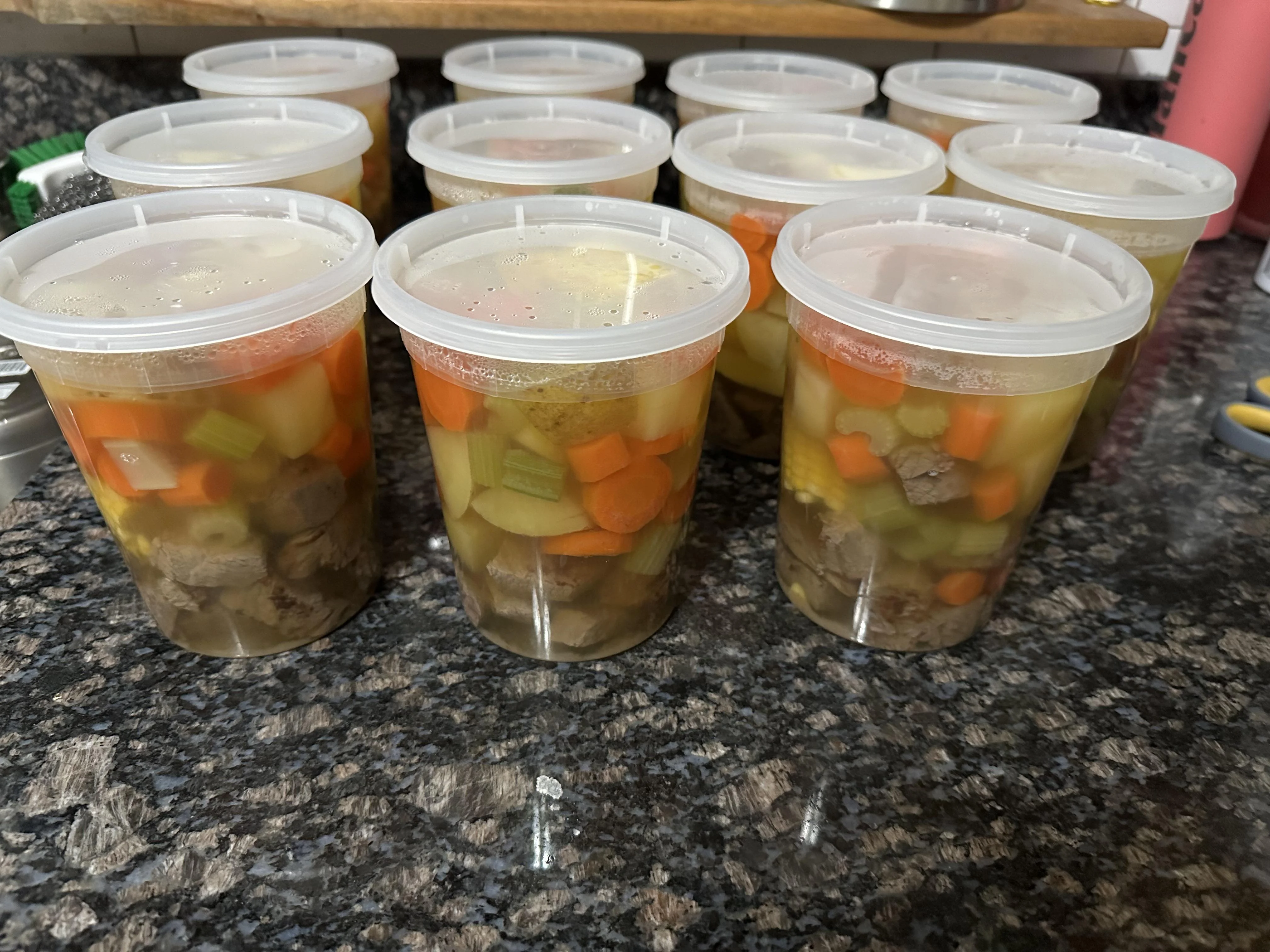
The golden rule: freeze the base
If there is one habit that keeps frozen soup tasting freshly made, it is this: freeze a sturdy soup base, then add delicate ingredients when you reheat.
That means building the flavor now (stock, aromatics, tomato, beans, long-simmered meats) and saving ingredients that dislike freezing (cream, pasta, quick-cooked vegetables, fresh herbs) for the warm-up.
For more cozy soups to stock up, visit our Soups collection.
Cooling times: safe and fast
Freezing soup safely starts before it ever hits the freezer. Big pots stay warm for a long time, and that warm zone is where bacteria can grow. The goal at home is simple: cool it quickly and get it cold without overloading your fridge or freezer.
Restaurant standard cooling timeline
If you want a clear benchmark, food safety standards commonly teach this two-stage cooling method for cooked foods:
- Stage 1: Cool from 135°F to 70°F within 2 hours.
- Stage 2: Cool from 70°F to 41°F within 4 more hours (so 6 hours total to reach refrigerator-cold).
At home, you do not need to obsess over hitting 41°F before you ever freeze. What matters most is that the soup is not sitting around hot for long periods, and that you cool it in a way that does not warm up your fridge or freezer.
Fast cooling methods that work
- Shallow pans: Pour soup into shallow containers so it is no deeper than about 2 inches. Stir occasionally.
- Ice bath: Set the pot in a sink of ice water and stir the soup to move heat out quickly.
- Divide and conquer: Split a big batch into several smaller pots or containers before chilling.
Tip: Avoid putting a huge, steaming pot straight into the freezer. It can warm the freezer and it freezes slowly, which means larger ice crystals and more texture damage. Instead, cool quickly, refrigerate until no longer hot, then freeze in portions.
Soup bases that freeze well
These are the soup styles that usually thaw and reheat like champions.
Great for freezing
- Broth-based soups: chicken soup base, beef and vegetable broth soups, turkey soup, simple vegetable broth soups.
- Bean and lentil soups: lentil, split pea, bean soups (beans may soften a bit, but flavor holds very well).
- Tomato-based soups: tomato vegetable, minestrone base (especially if you leave out pasta).
- Stews and chili: thick, long-simmered soups with sturdy ingredients.
- Pureed vegetable soups without dairy: butternut squash, carrot, cauliflower, potato leek if kept dairy-free until serving.
If you love a tomato soup that stays velvety, see Creamy Tomato Basil Soup: Fresh vs. Canned Tomatoes for tomato choices that keep flavor strong even after storing.
Freeze with extra care
- Seafood soups: seafood can turn rubbery. Freeze the broth base and add seafood during reheating.
- Soups thickened with flour: roux-thickened soups often do better than milk-heavy soups, but some can still go a little grainy. Reheat gently and whisk well.
- Egg-thickened soups: generally not freezer-friendly unless you freeze the base and add the egg mixture later.
Usually best not frozen as-is
- Very creamy soups with lots of milk, half-and-half, sour cream, or cream cheese mixed in.
- Soups packed with pasta (the pasta keeps absorbing liquid and turns soft).
- Delicate green vegetables that you want bright and snappy (spinach, zucchini, tender asparagus tips).
Prevent mushy vegetables
Vegetables get mushy for two reasons: they were cooked too soft before freezing, and freezing breaks down cell walls. The fix is to choose sturdier vegetables and slightly undercook them.
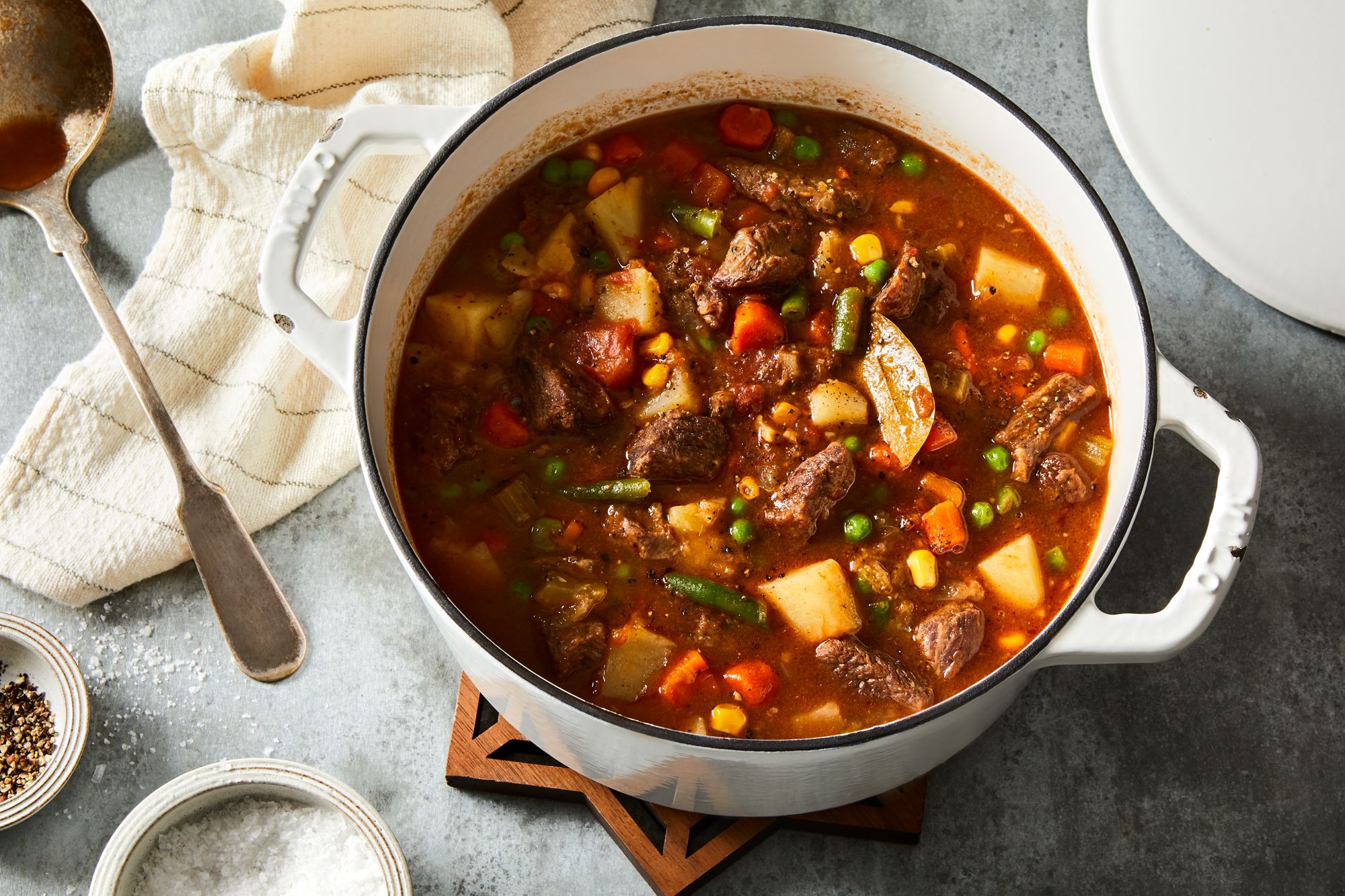
Vegetables that freeze well
- Carrots (cut a little larger)
- Celery (softens slightly but stays pleasant in broth)
- Onions, leeks
- Green beans (best if not overcooked)
- Peas (add late when cooking, or add at reheat)
- Corn
- Cabbage, kale, collards (hardier greens hold up better than spinach)
Vegetables to leave out, if you can
- Zucchini and summer squash (very soft after thawing)
- Mushrooms (can become spongy unless sauteed well first)
- Spinach and tender herbs (color and texture fade)
Cooking timing that helps
- Stop cooking when vegetables are just tender. They will soften more during cooling and reheating.
- Cut hearty vegetables bigger. Small dice breaks down faster.
- Consider freezing soup with fewer vegetables if you want a very fresh texture. Freeze the broth and protein, then add freshly cooked vegetables when reheating.
About potatoes (because everyone asks)
Potatoes are the wildcard. Some soups freeze fine with them, and some turn grainy or crumbly, especially with russets.
If potatoes matter to the soup, you have a few workable options:
- Best texture: Freeze the base without potatoes, then simmer freshly diced potatoes in the reheated soup until tender.
- Best compromise: Use waxier potatoes (like Yukon Gold or red potatoes), cook them just until tender, then freeze and accept a slightly softer texture after thawing.
- Texture rescue: If the soup is meant to be creamy, an immersion blender can bring it back together after thawing.
Prevent split dairy
Dairy splits when the emulsion breaks, often from freezing stress and high heat during reheating. You can still have creamy soup from the freezer, but the strategy matters.
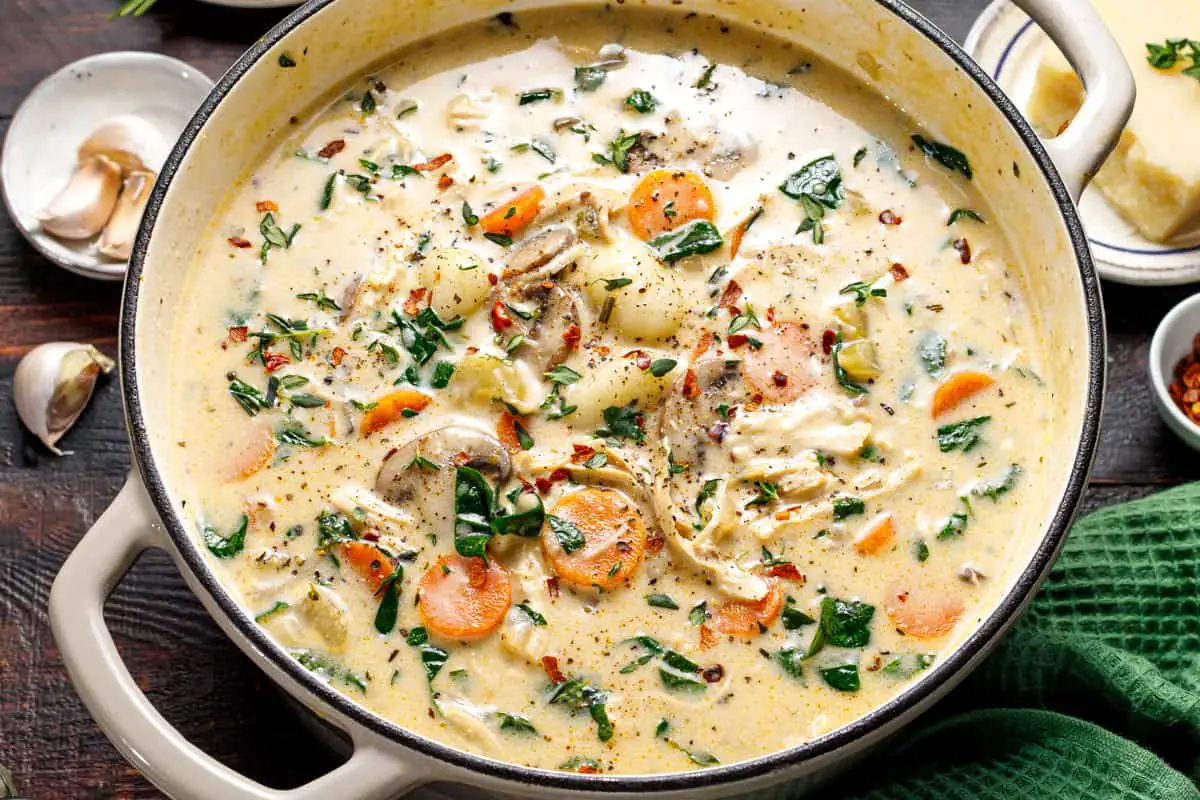
Best strategy: freeze without dairy
For chowders, creamy tomato, and any soup finished with cream, do this:
- Cook the soup base fully (aromatics, stock, vegetables, seasonings).
- Do not add milk, cream, sour cream, yogurt, or cream cheese before freezing.
- Freeze the base.
- Reheat, then stir in dairy at the end over low heat.
For a chowder that stays smooth, our guide to Authentic New England Clam Chowder (Creamy, Never Split) is full of gentle-heat habits that also help during reheating.
If the soup already has dairy in it
Sometimes the soup is already made and you still want to freeze it. These steps reduce the risk of splitting:
- Cool quickly, then chill first if possible (cold soup freezes faster and more evenly).
- Leave headspace in containers, since liquids expand.
- Thaw in the fridge instead of on the counter.
- Reheat slowly over low to medium-low heat and stir often. Avoid boiling.
- Whisk to re-emulsify, or use a blender carefully if appropriate for the soup.
Thickeners that freeze better than straight dairy
- Pureed beans or vegetables (blend a portion of the soup for body)
- Starch slurry added at reheating (cornstarch mixed with cold water, then simmered briefly)
- Roux-based soups can freeze acceptably, but reheat gently and whisk well
Cheese note: Melted cheese can go grainy after freezing. If the soup depends on cheese for creaminess, freeze the base and add cheese during reheating.
Leave these out until reheating
- Pasta and noodles (cook fresh and add to the bowl, or cook separately and stir in at the end)
- Rice and grains (they drink broth and get soft; cook separately for best texture)
- Dairy (milk, cream, half-and-half, sour cream, yogurt, cream cheese)
- Fresh herbs (basil, parsley, cilantro, dill)
- Crunchy toppings (croutons, fried onions, tortilla strips)
- Delicate vegetables (zucchini, tender greens)
If noodles are your soup love language, our timing tips in Chicken Noodle Soup: Noodles and Timing are especially freezer-friendly, because good noodle texture is all about when you add them.
Portioning and containers
Freezing in smart portions makes reheating easy and protects quality.
Best portion sizes
- Single serving: 1 to 2 cups for quick lunches
- Family size: 4 to 6 cups for dinner
Headspace rule
Leave at least 1 inch of space at the top of rigid containers. For wide containers or very full quarts, a little more is even safer.
Bag freezing (space-saving method)
Once soup is fully chilled, portion into freezer bags, press out excess air, seal, and freeze flat on a baking sheet. When frozen solid, store upright like books.
Freezer management tip
Do not stack freshly filled containers while they are still warm, and do not overload the freezer with a big hot batch. Smaller, well-chilled portions freeze faster and thaw better.
How long frozen soup keeps
Frozen soup is usually safe longer, but quality slowly declines. Kept at 0°F, frozen soup can remain safe well beyond the timelines below, but for the best taste and texture:
- Broth-based soups: best within 2 to 3 months
- Bean, lentil, and chili: best within 2 to 3 months
- Soups with meat: best within 2 to 3 months
- Creamy soups (if frozen with dairy): aim for 1 to 2 months for better texture
Label clearly with the soup name and the date. This tiny habit saves many a mystery-container moment.
Thawing and reheating
Best thaw method
- Refrigerator thaw: 12 to 24 hours, depending on container size. This gives the smoothest results for dairy and the best texture for vegetables.
Fast options (when dinner needs to happen)
- Cold-water thaw: Put the sealed container or bag in cold water, change the water every 30 minutes, then reheat immediately.
- From frozen on the stove: Works well for broth-based soups. Use low heat at first, break up the frozen block as it loosens, then bring to a simmer.
Reheat target
Reheat soup until it is steaming hot throughout. For leftovers, many kitchens use 165°F as a practical reheat target. For thicker soups, stir as you reheat so you do not end up with hot edges and a cold center. Once hot, add your finishers: dairy, herbs, cooked pasta, cooked rice, and any quick vegetables.
Fix common freezer soup problems
"My soup split."
- Lower the heat immediately and whisk.
- If the soup allows it, blend briefly to re-emulsify.
- Stir in a small amount of fresh cream at the end over low heat.
"My vegetables are mushy."
- Next time, freeze the base and add vegetables during reheating.
- Cut vegetables larger and stop cooking earlier.
- Use hardier vegetables, and save zucchini and tender greens for last-minute add-ins.
"My soup tastes flat after thawing."
- Add a pinch of salt (cold dulls seasoning, and freezing can mute flavors).
- Add a brightener: a squeeze of lemon, a splash of vinegar, or a spoon of tomato paste for depth.
- Finish with fresh herbs or a drizzle of good olive oil.
"My soup got too thick."
- Stir in a splash of broth or water as it reheats.
- For pureed soups, a quick pass with an immersion blender restores that just-made smoothness.
Soup notes
Chicken noodle soup
Freeze the broth, chicken, and sturdy vegetables. Cook noodles separately and add at serving. More noodle timing help is here: Chicken Noodle Soup: Noodles and Timing.
Minestrone
Freeze without pasta. Add cooked pasta or small shapes during reheating. If you want a classic approach, see Classic Italian Minestrone (Layer by Layer).
Clam chowder and creamy chowders
For the smoothest results, freeze the base without dairy and without seafood, then add both gently when reheating.
Slow cooker soups
Slow cookers make generous batches, which is perfect for the freezer. Just remember: cool quickly, freeze in portions, and finish delicate ingredients at reheat. If barley is on the menu, this one is a cozy freezer option: Slow Cooker Beef and Barley Soup (No Dried-Out Barley).
Quick FAQ
Can you freeze soup in glass jars?
Only if the jar is freezer-safe and you leave generous headspace. Wide-mouth jars are safer than narrow ones. Always chill the soup first, and thaw in the refrigerator.
Can you refreeze soup after thawing?
Quality usually suffers, especially for vegetables and dairy. A better plan is to freeze in smaller portions so only what you need is thawed.
Why does my potato soup get grainy?
Potatoes can change texture after freezing, and the effect is stronger in potato-heavy soups. For the best results, freeze a dairy-free base and add freshly cooked potatoes when reheating, or blend after thawing to smooth things out.