 e-rcps.com
Pasta Plus and home cooking, since 2000
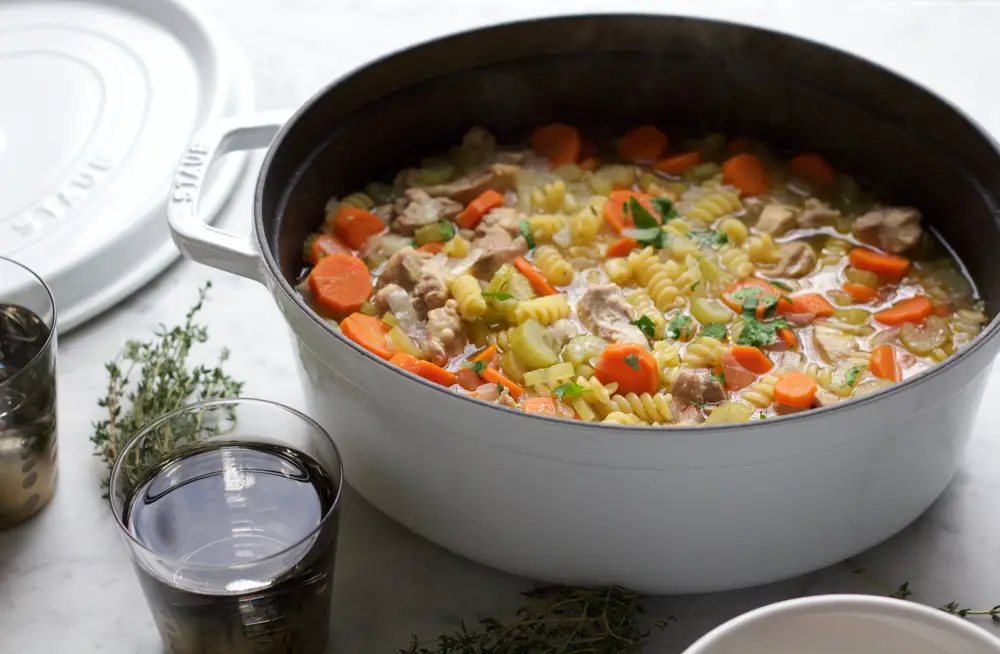
Old-fashioned chicken noodle soup is pure comfort, but it has one sneaky weak spot: noodles that turn from springy and cozy into soft, bloated mush. The good news is that noodle success is mostly about choosing the right noodle and adding it at the right moment.
Why noodles go mushy
Noodles keep cooking as long as they sit in hot broth. Even after the heat is off, a pot of soup stays warm enough to keep starches swelling and softening.
- Hard boiling: agitation breaks delicate noodles and can cloud the broth.
- Long holding time: noodles absorb broth like little sponges.
- Starch release: overcooked noodles leak starch, making soup thicker and less clear.
The fix is simple: keep the soup at a gentle simmer, and treat noodles like a last-minute addition unless you are serving immediately.
Best noodle picks
There is no single perfect noodle for every chicken noodle soup situation. Pick based on how soon you will serve and whether you want leftovers to stay noodle-friendly.
Wide or extra-wide egg noodles
This is the classic old-fashioned choice. Egg noodles bring a tender bite and a rich, cozy feel.
- Best for: serving right away, or cooking noodles separately for leftovers
- Watch out for: overcooking in the pot, especially extra-wide noodles
Medium egg noodles
Medium egg noodles are a little more forgiving than wide, and they distribute nicely through the bowl.
- Best for: everyday soup nights, quicker cooking
- Watch out for: getting too soft if the pot sits hot for a long time
Small pasta shapes (ditalini, small shells, small elbows)
These are sturdier than many egg noodles and tend to hold their shape well.
- Best for: meal prep, longer holding, kid-friendly bowls
- Watch out for: they can soak up lots of broth in storage
Broken spaghetti or thin noodles
Broken spaghetti gives a classic diner-style vibe. Thin noodles cook fast, so timing matters.
- Best for: quick soups, light noodle presence
- Watch out for: overcooking in just a minute or two
Fresh noodles
Fresh noodles can be wonderful, but they are delicate and cook quickly. The soup must be gentle.
- Best for: serving immediately
- Watch out for: turning overly soft if held hot
Gluten-free pasta note
If you are using gluten-free pasta, plan on a little less forgiveness. Many gluten-free shapes soften fast in hot broth, so they are often best cooked and stored separately, then warmed per bowl.
Noodle timing chart
These times assume the soup base is already finished: chicken cooked, vegetables tender, broth seasoned. Keep the pot at a gentle simmer, not a rolling boil. Use the package directions as your baseline, then start checking early and finish by texture.
| Noodle type | Simmer time (typical) | Stop cooking when |
|---|---|---|
| Fine egg noodles | 4 to 6 minutes | Tender but still slightly springy |
| Medium egg noodles | 6 to 8 minutes | Softened through, not falling apart |
| Wide egg noodles | 7 to 10 minutes | Just tender in the thickest part |
| Extra-wide egg noodles | 9 to 12 minutes | Tender with a faint chew |
| Small shells / ditalini | 8 to 10 minutes | Al dente to tender, still holding shape |
| Elbow macaroni (small) | 8 to 10 minutes | Just tender, not puffy |
| Broken spaghetti | 7 to 9 minutes | Tender strands that still lift cleanly |
| Fresh noodles | 2 to 4 minutes | Floating and tender, not fragile |
Simple serving math: start the noodles so they finish right before you plan to ladle. If the soup has to wait, it is better to hold the base hot and add noodles in batches.
Best method for leftovers
If the soup will be eaten across multiple meals, the most dependable approach is: cook noodles separately, store separately, combine in the bowl.
How to do it
- Make the soup base first: broth, chicken, vegetables, seasoning.
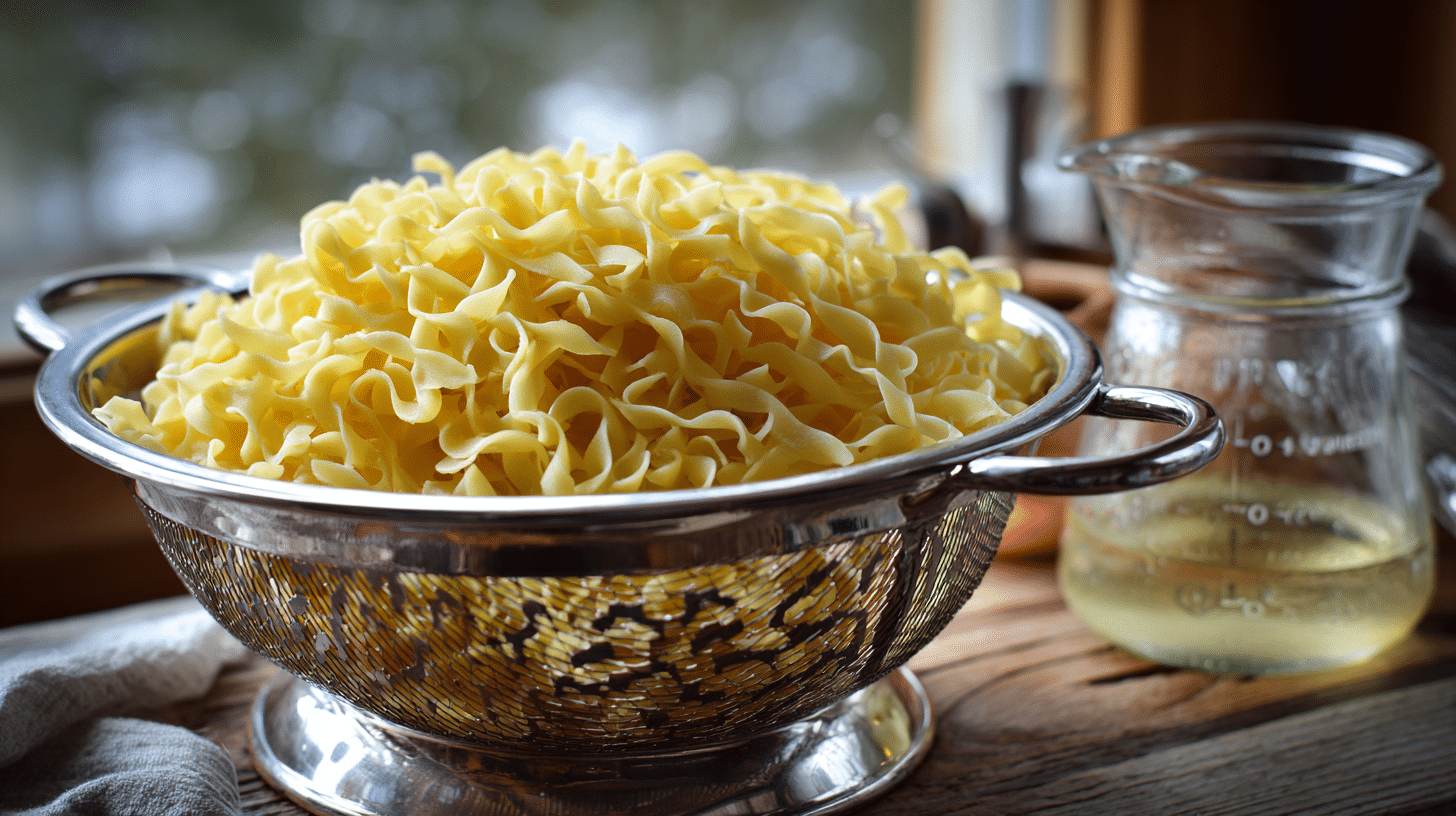
- Boil noodles in salted water until just shy of done (about 1 minute less than the package timing).
- Drain well, then spread the noodles out for a minute or two so steam can escape. If you will not use them right away, a quick cool rinse is fine to stop cooking.
- Toss promptly with a small splash of oil or melted butter to reduce sticking.
- Store noodles and soup separately in the refrigerator.
- To serve: reheat the soup base to a simmer and warm noodles in the hot broth for 30 to 60 seconds, or ladle soup over noodles in the bowl.
This keeps your broth clear and your noodles pleasantly springy even on day three.
How much noodles to add
Noodles expand a lot in soup. If you add too many, the pot can turn into a noodle casserole with not enough broth. These are starting points, and you can nudge them up or down to match how brothy you like your bowl.
- Egg noodles: about 2 to 3 ounces dry noodles per quart of broth (roughly 1 1/2 to 3 cups, depending on width and brand).
- Small pasta shapes: about 2 ounces per quart (often around 1/2 to 3/4 cup).
If you love a very noodle-forward bowl, it is still smart to cook extra noodles separately and add them per serving. That way the pot does not thicken as it sits.
Small habits that help
Season the broth before noodles go in
If the broth tastes right before the noodles are added, you will not need a long post-noodle simmer, which is where things get soft fast.
Add noodles to a simmering pot
Noodles do best when they go into broth that is already at a gentle simmer. If they sit in slowly heating broth, they can hydrate unevenly and end up softer than you intended.
Stir once, then let them be
A quick stir prevents clumping. Constant stirring can break delicate egg noodles.
Stop a little early if the pot must wait
If the soup will sit 10 to 15 minutes before serving, pull noodles when they are just barely tender. They will finish in the hot broth.
Storing and freezing
For the best texture, cool soup base quickly, refrigerate promptly, and keep noodles separate. The soup base will usually hold well in the refrigerator for a few days, and it freezes beautifully without noodles. When you are ready to eat, reheat the base to a simmer and add freshly cooked noodles or your stored noodles at the end.
Troubleshooting
My noodles are mushy. Can I fix it?
They cannot be made firm again, but the soup can still be delicious. Add a splash of broth or water to loosen thickness, and consider adding a fresh handful of just-cooked noodles to each bowl to improve texture.
My broth turned cloudy
Cloudiness often comes from hard boiling or starch from overcooked noodles. Next time, simmer more gently and cook noodles separately if you want a clearer broth.
Noodles soaked up all the broth overnight
This is normal. Add more broth when reheating, or reheat the soup base separately and add warmed noodles at the end.
More cozy soup reading on e-rcps.com
If soup season has you happily hovering near the pot, wander through our Soups collection. For another classic comfort bowl with big onion flavor and that irresistible cheese cap, visit Classic French Onion Soup: Caramelization and Cheese.