 e-rcps.com
Pasta Plus and home cooking, since 2000
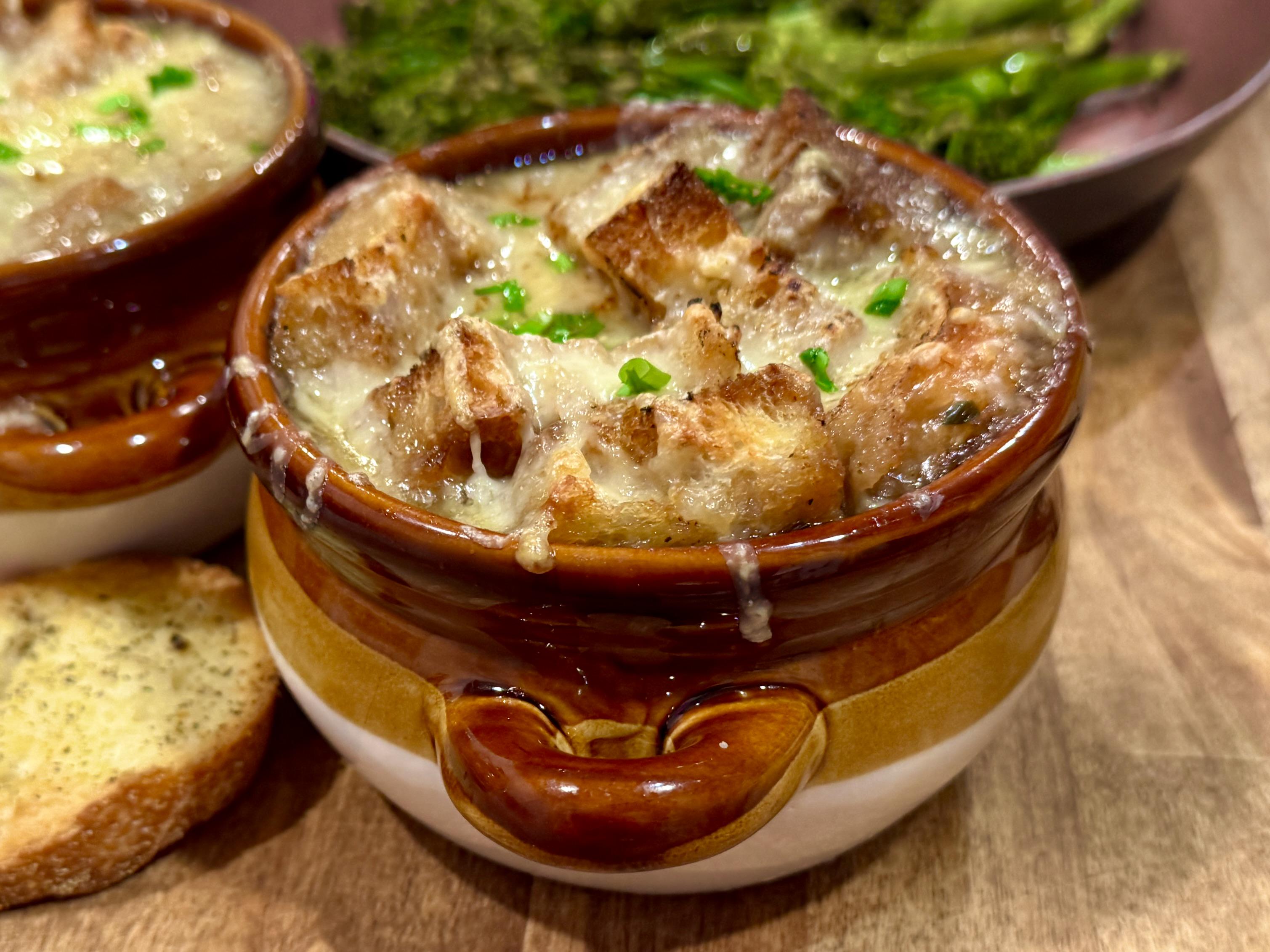
Classic French onion soup is cozy, patient cooking at its best: onions slowly turning from sharp to sweet, broth building the backbone, and a bubbling cheese crouton sealing the whole bowl like a warm winter hat.
Quick method
If you like to see the whole road before you start driving, here is the classic flow. (The details and best tips are below.)
- Slice onions: plan on about 4 to 5 large yellow onions for 4 to 6 servings.
- Caramelize: cook onions in butter or butter plus oil with a pinch of salt until deeply brown and jammy.
- Deglaze: splash in a little water, wine, or broth and scrape up the browned bits.
- Optional body: sprinkle in a spoonful of flour and cook it briefly for a slightly silkier, more classic texture.
- Simmer: add broth plus thyme and a bay leaf, then simmer to meld flavors.
- Season: taste and adjust salt and pepper at the end, especially if using store-bought broth.
- Top and broil: ladle into oven-safe bowls, add well-toasted bread, cover with grated Gruyere, then broil until bubbling and browned.
The real secret: caramelization takes time
French onion soup is often described as simple, and it is. But it is not fast. The flavor comes from patiently browning onions until they are deeply golden and jammy. That process creates sweetness through browning reactions and gentle moisture loss, not added sugar.
How long does it take to caramelize onions?
For a full pot of soup, it is often 45 to 75 minutes of active stovetop time for the onions, and it can take longer. The exact time depends on:
- Pan size (a wider pot browns faster because water evaporates faster)
- Heat level (too high burns the pan, too low steams)
- Onion volume (a crowded pot needs longer)
- Onion type and age (some release more water and take longer)
If a recipe promises “caramelized in 15 minutes,” it is usually describing browned onions, not true caramelization. Browned onions are tasty. But classic French onion soup wants that deep mahogany color and mellow sweetness.
A reliable timeline you can follow
Here is a practical pace for a big batch (about 4 to 6 servings, using 4 to 5 large onions):
- 0 to 10 minutes: onions turn glossy and begin to soften. Most of the volume collapse happens here.
- 10 to 30 minutes: onions move from pale to light golden. Stir regularly and scrape the bottom so nothing scorches.
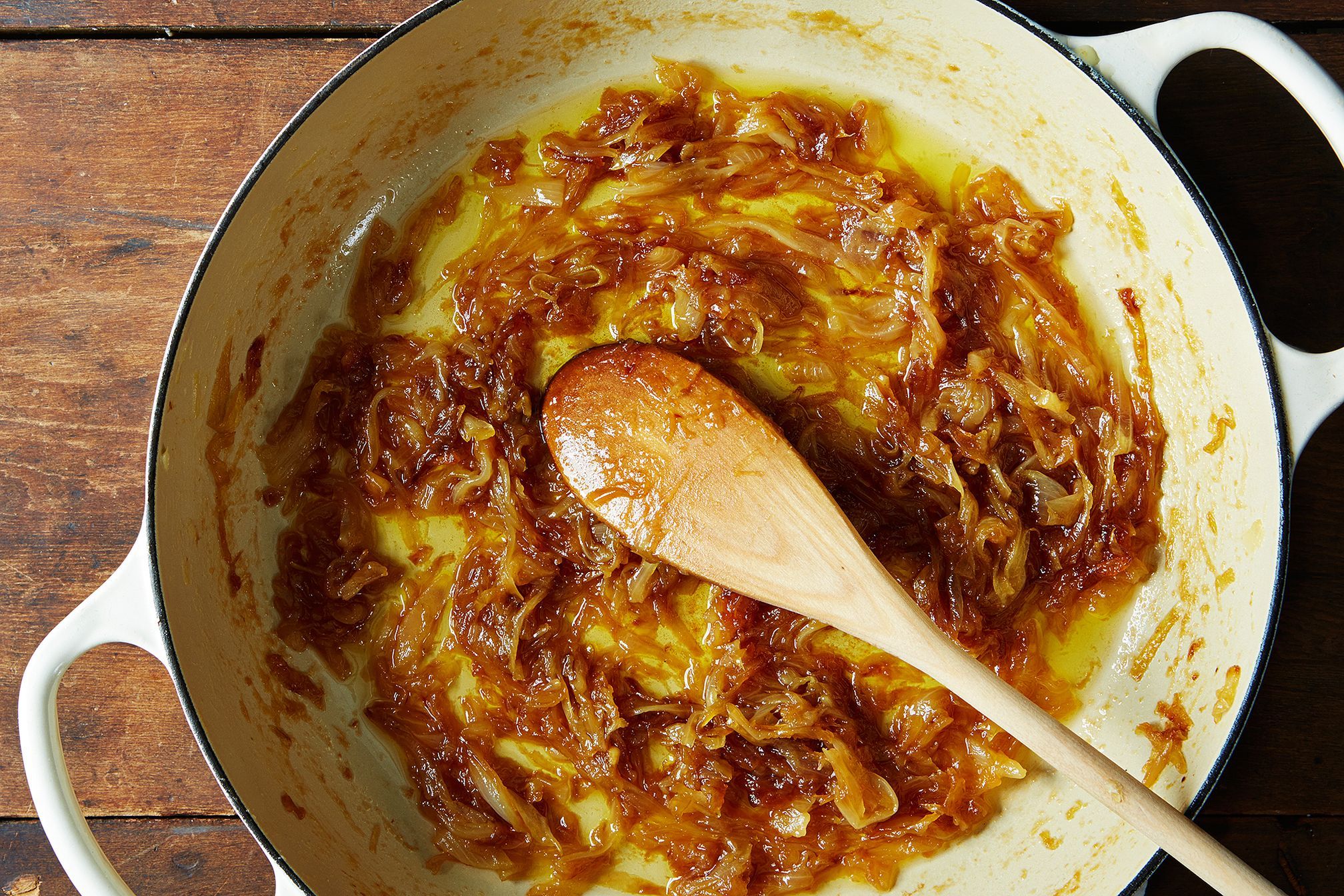
- 30 to 60+ minutes: onions darken from golden to deep brown. This is where the soup earns its flavor. Stir more often as browning accelerates.
Techniques to caramelize smoothly
Start with the right onions
Yellow onions are the classic choice because they balance sweetness and depth. Sweet onions can work, but they can taste a little one-note if the broth is mild. Red onions are less traditional and can shift the flavor profile.
Slice size matters
Slice onions thin and even, about 1/8 inch. Very thin slices can melt too far into jam and cook unevenly. Thick slices take longer and can stay stringy.
Use steady heat and the right fat
- Butter brings classic flavor and helps browning, but it can brown quickly on its own.
- A mix of butter and oil is a helpful middle road. The oil raises the smoke point, giving you a little more breathing room.
Salt early, then be patient
Add a pinch of salt early to pull moisture from the onions. That helps them soften and release water. After that, the goal is to let moisture cook off so browning can begin. Stir enough to prevent scorching, but not so much that the onions never sit against the hot surface.
What to do about stuck brown bits (fond)
Those sticky brown bits are flavor. If the pot looks dry or the fond is getting too dark, deglaze with a small splash of water, broth, or wine and scrape it up. Repeat as needed. This is not cheating. It is good soup-making.
Should you add sugar or baking soda?
- Sugar: optional, and usually unnecessary. If used, keep it tiny, about 1/4 teaspoon for a whole pot. Too much makes the soup candy-sweet.
- Baking soda: speeds browning by raising pH. If you use it, use only a tiny pinch. Too much can make onions overly soft and can nudge the flavor in a direction that feels less classic.
Broth choices
Broth is the stage the onions perform on. Choose one savory enough to stand up to the onions and cheese.
Traditional: beef broth
Beef broth is the classic for a reason. It gives the soup depth and a darker, more robust finish. If your beef broth is very salty or very strong, dilute with a little water so the onions are still the star.
Lighter option: chicken broth
Chicken broth makes a gentler soup and can be delicious, especially if you prefer a lighter bowl. Consider boosting savory notes with:
- a little extra thyme
- a bay leaf
- a small splash of Worcestershire sauce (optional)
Best of both: half beef, half chicken
A 50/50 blend is a friendly option for many kitchens. You get beefy depth without going too heavy.
Wine or sherry
A splash of dry white wine (or a small pour of dry sherry) after the onions are caramelized can lift the flavor. Add it, simmer briefly, scrape the pot well, then add broth.
Optional: a spoonful of flour
Some classic versions use a little flour for body. If you want that slightly fuller, silkier feel, sprinkle 1 tablespoon (or so) over the finished caramelized onions, stir well, and cook for about a minute before adding liquid. It should smell toasty, not raw.
If you enjoy slow, cozy soups, you might also like browsing our Comfort Food Classics collection.
The cheese crouton
The top of French onion soup is not just garnish. It is a toasted bread raft with melted cheese that stretches, browns, and perfumes the soup as it bubbles.
Best classic cheese: Gruyere
Gruyere is the traditional favorite for good reasons: it melts smoothly, browns nicely, and tastes nutty and savory without turning greasy.
Great alternatives (or blends)
- Emmental: mild, melty, and very Swiss in character. Lovely blended with Gruyere.
- Comte: similar to Gruyere, often a little more complex and buttery.
- Fontina: very melty, a bit richer, and easy to love.
- Low-moisture mozzarella: gives stretch but less flavor. Use as a small portion in a blend, not the main cheese.
Cheeses that are flavorful but can be tricky alone include aged cheddar (it can turn oily or grainy under high heat) and Parmesan (it does not give the same molten blanket). They work best as accents sprinkled over Gruyere.
Bread: sturdy wins
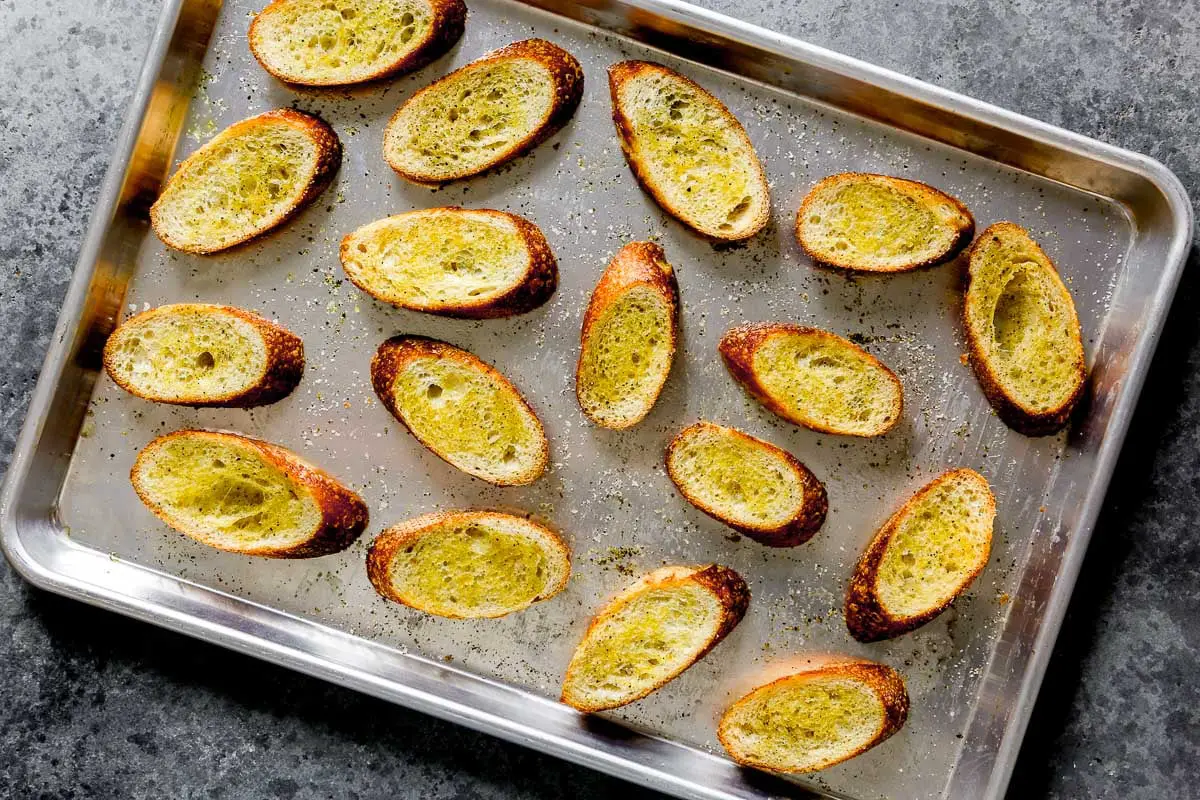
Use a thick slice of baguette or rustic country bread. Toast it well first so it stays afloat and does not dissolve immediately. A lightly garlic-rubbed toast is a classic touch.
Broiling tips
Use oven-safe bowls
Traditional onion soup crocks are ideal, but any oven-safe bowl can work. Place bowls on a sturdy baking sheet for easy handling.
Layer for a better melt
- Ladle hot soup into bowls.
- Add toasted bread (it should sit on top, not sink immediately).
- Cover generously with grated cheese. Do not be shy. The cheese is the lid.
Broil timing
Broilers vary, so watch closely. Typical broil time is 1 to 4 minutes. The goal is:
- cheese fully melted
- edges bubbling
- top spotted with golden brown
If the cheese browns before it melts, the broiler is too close or too hot. Move the rack down a level or briefly switch to oven heat to finish melting.
Safety note
Broiled bowls are extremely hot. Let them stand for a minute, then serve on a plate or a folded towel to protect the table and hands.
Common problems and quick fixes
“My onions burned, but they are not sweet.”
Burning is usually a heat management issue. Lower the heat, add a small splash of water to loosen the fond, and keep stirring and scraping. If the pot has blackened bits that taste bitter, it is best to start over. Bitter flavors spread fast in soup.
“My onions are soft but barely brown.”
Your pot may be too crowded or too cool. Use a wider pot if possible, raise heat slightly, and give the onions time to sit against the bottom between stirs so browning can happen.
“The soup tastes flat.”
Add a small pinch of salt, a few grinds of black pepper, and consider a splash of acid like a teaspoon of wine vinegar or lemon juice right at the end. Acid can wake up long-cooked flavors. Also remember that store-bought broth ranges wildly in salt, so final seasoning is best done at the finish line.
“The cheese slid off the bread.”
Toast the bread more deeply next time, and use grated cheese rather than thick slices. Grated cheese melts into the bread’s surface and holds on better.
A cozy serving note
French onion soup is at its best when it is served immediately after broiling, while the cheese is still bubbling and the bread is crisp at the edges. Pair it with a simple green salad or a little something from our salads collection to balance the richness.