 e-rcps.com
Pasta Plus and home cooking, since 2000

In baking, swapping ingredients is a little like changing gears in a tiny kitchen machine. It can work beautifully, but only if you keep the chemistry balanced. Balance acids with bases (for lift), fats with liquids (for tenderness), and structure with softness (for that lovely crumb). This guide gives you dependable, measured substitutions for the most common baking emergencies, especially the ones that can make a cake dense, flat, gummy, or dry.
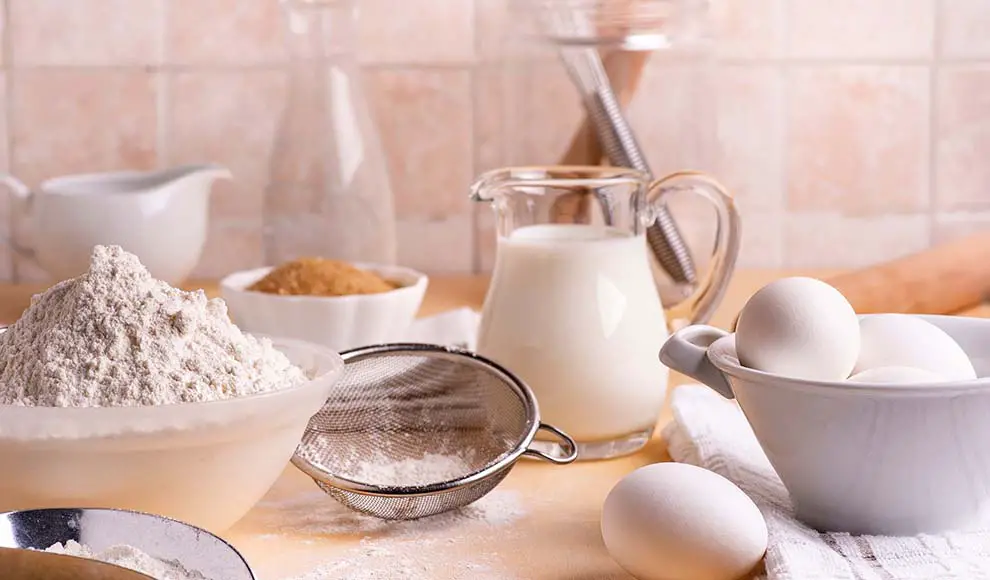
Before you swap: 5 rules
- Measure by weight when you can. Small differences matter most in cakes, muffins, and quick breads.
- Match the job, not the name. Ask what the ingredient does: adds acid, adds fat, provides structure, sweetens, or creates lift.
- Do not stack substitutions in delicate bakes. One swap is usually fine. Two is risky. Three is how cupcakes turn into pancakes.
- Mind acidity and leavening. If you replace an acidic ingredient (buttermilk, yogurt) with a non-acidic one, your baking soda may not activate fully.
- Expect flavor shifts. Texture can stay great while flavor changes a little. Vanilla, citrus zest, or warm spices can help keep things cozy.
Buttermilk substitutions (1 cup)
Buttermilk brings acid + moisture. The acid tenderizes gluten and helps baking soda produce lift. When you substitute, the goal is to keep that gentle tang and the acid level.
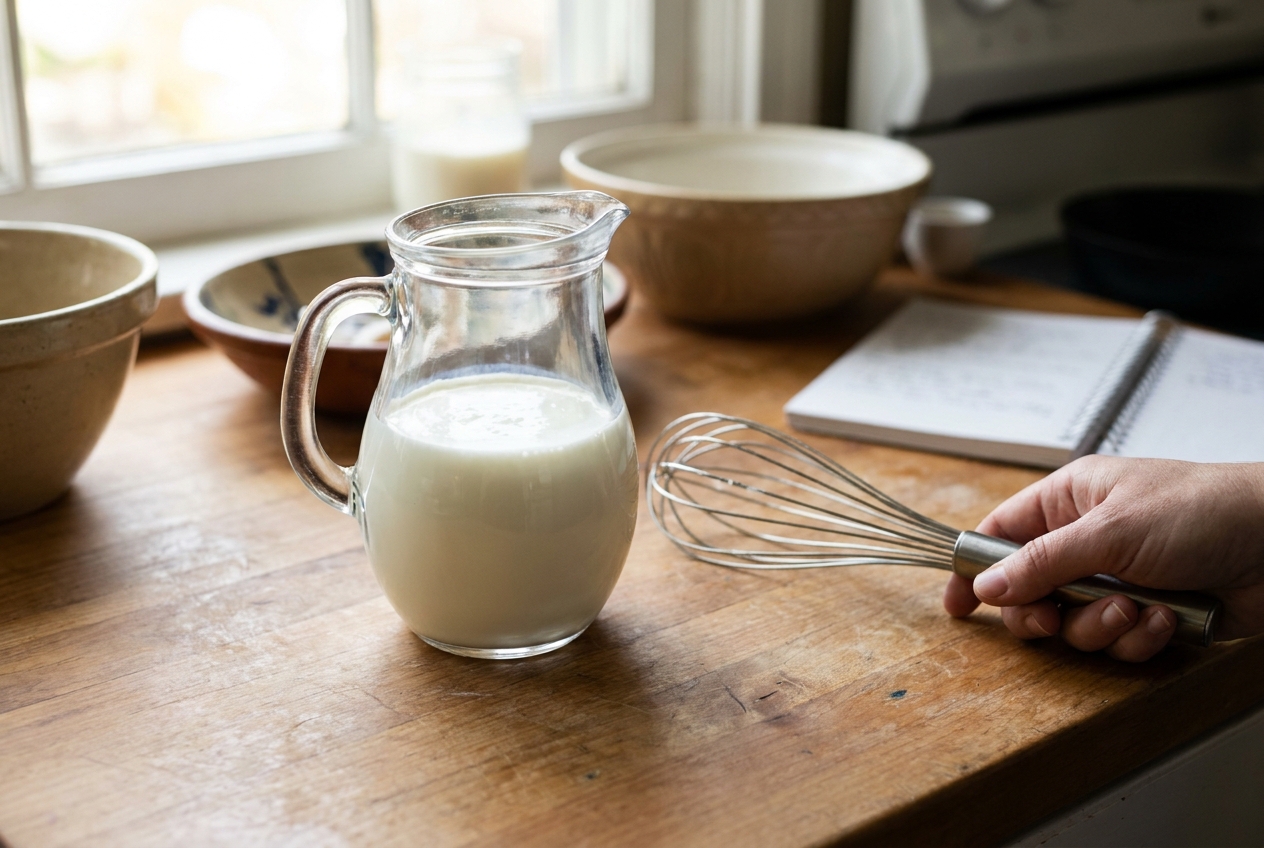
Quick chart: 1 cup buttermilk
| If you have | Use this | How to do it | Best for |
|---|---|---|---|
| Milk + lemon juice | 1 cup | Put 1 tbsp lemon juice in a measuring cup, fill to 1 cup with milk. Rest 5 to 10 minutes. | Cakes, muffins, pancakes |
| Milk + white vinegar | 1 cup | Put 1 tbsp vinegar in a measuring cup, fill to 1 cup with milk. Rest 5 to 10 minutes. | Cakes, biscuits |
| Plain yogurt | 1 cup | Use 3/4 cup yogurt + 1/4 cup water or milk to thin to buttermilk consistency. | Cakes, quick breads |
| Sour cream | 1 cup | Use 3/4 cup sour cream + 1/4 cup water or milk to thin. | Rich cakes, coffee cake |
| Kefir | 1 cup | Use 1:1. (Thin slightly with milk if very thick.) | Cakes, pancakes |
Leavening note
If your recipe uses baking soda, keep an acidic substitute whenever possible. If you must use plain milk (not recommended for soda-based recipes), expect less rise and a slightly tighter crumb.
For a buttermilk-friendly bake, try our tall flaky buttermilk biscuits.
Cake flour substitutions
Cake flour is lower in protein and usually chlorinated, which helps cakes bake up soft and fine-crumbed. You can mimic some of that tenderness at home by replacing a little flour with starch.
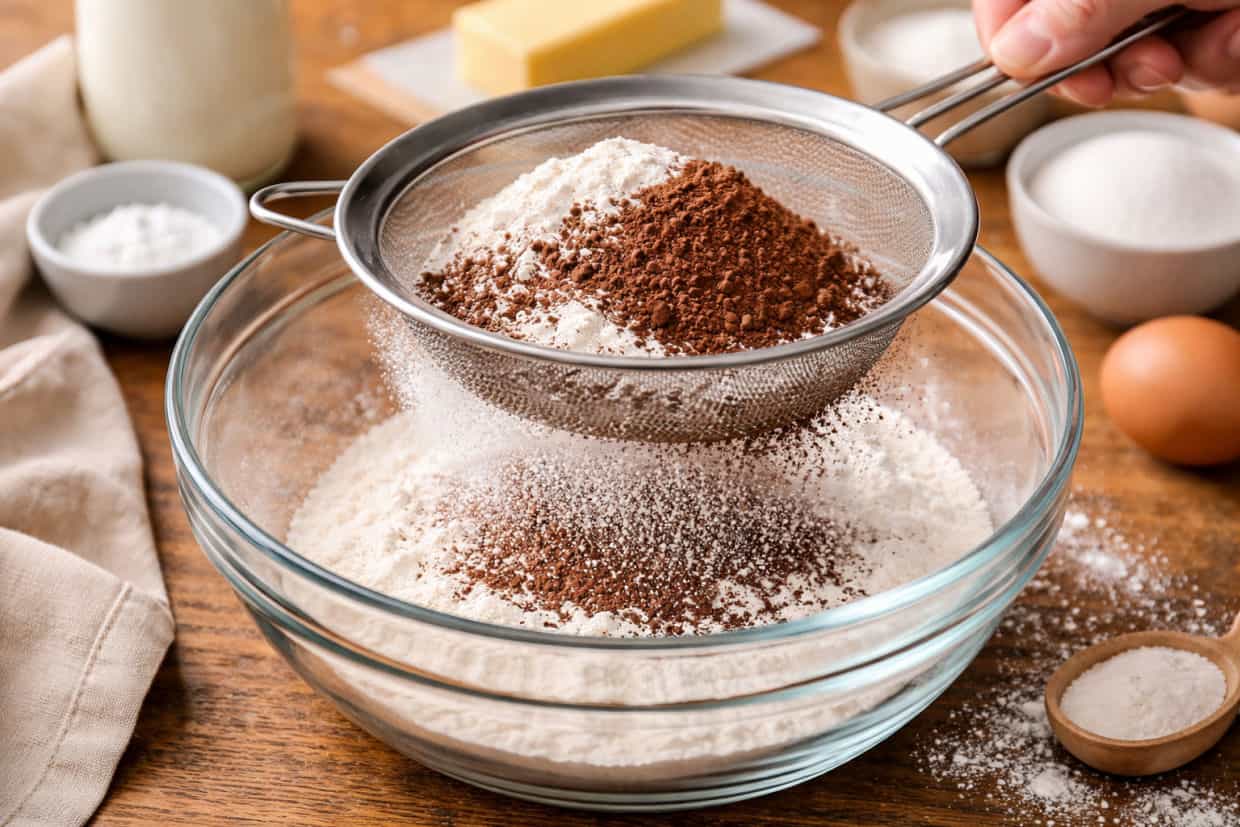
DIY cake flour
For 1 cup cake flour substitute:
- Measure 1 cup all-purpose flour, then remove 2 tbsp.
- Add 2 tbsp cornstarch.
- Sift together 2 times to evenly distribute and aerate.
Scale it up: For every 1 cup needed, repeat the same ratio (remove 2 tbsp flour, add 2 tbsp cornstarch).
When not to use this
- Yeast breads: it weakens structure too much.
- Very airy sponge cakes: the original flour matters more. If the recipe is finicky, it is worth buying cake flour.
All-purpose flour substitutions
All-purpose flour is the default backbone. Replacing it can change structure fast, so these are the safest common swaps.
| If you are out of | Substitute | How to use it |
|---|---|---|
| All-purpose flour | Bread flour | Use 1:1, but expect chewier results. Best in cookies, sturdier cakes, and quick breads. |
| All-purpose flour | Pastry flour | Use 1:1, expect more tender crumb. Great for cakes and muffins. |
| All-purpose flour | Self-rising flour | Use 1:1 only if you omit baking powder and reduce salt. See next section. |
Gluten-free 1:1 blends
Gluten-free baking blends are wonderful, but they are not a guaranteed 1:1 stand-in for all-purpose flour in every recipe. Some cakes and cookies do fine, others need a recipe written for that blend. If the bake is delicate, treat it as recipe-dependent rather than a simple swap.
Self-rising flour swaps
Self-rising flour is simply flour with baking powder and salt mixed in. This one is wonderfully formula-friendly.
Make self-rising flour
For 1 cup self-rising flour:
- 1 cup all-purpose flour
- 1 1/2 tsp baking powder
- 1/4 tsp fine salt
Whisk very well. This assumes typical US-style all-purpose flour and standard double-acting baking powder.
If substituting self-rising flour into a recipe
- Omit baking powder already in the recipe.
- Reduce added salt by about 1/4 tsp per cup of self-rising flour used, then adjust next time based on your taste and how the bake reads.
Quick example
If a recipe calls for 2 cups all-purpose flour + 2 tsp baking powder + 1/2 tsp salt, you can use 2 cups self-rising flour and then skip the baking powder and reduce the salt. In many recipes you will still want some salt for flavor, just less than the original amount.
Egg substitutions
Eggs do a lot at once: they bind, add protein structure, emulsify fats and liquids, and sometimes help leaven. The best substitute depends on what you are baking.
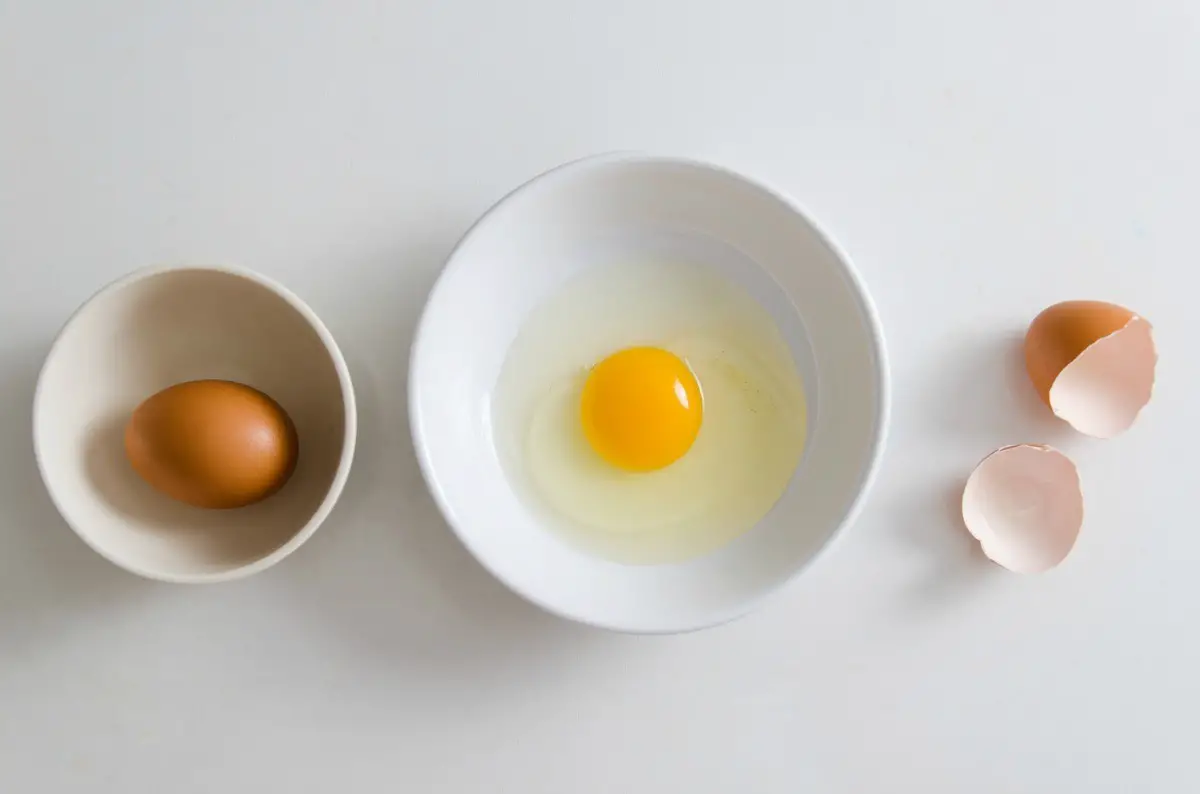
1 large egg substitute chart
| Substitute | Amount equals 1 egg | Best for | Watch out for |
|---|---|---|---|
| Unsweetened applesauce | 1/4 cup | Cakes, muffins, quick breads | Slightly denser, moister crumb |
| Mashed ripe banana | 1/4 cup | Muffins, snack cakes | Banana flavor, heavier texture |
| Plain yogurt | 1/4 cup | Cakes, quick breads | Can add tang and tenderness |
| Buttermilk | 1/4 cup | Quick breads | Not ideal in very airy cakes |
| Ground flaxseed + water | 1 tbsp flax + 3 tbsp water (rest 5 to 10 min) | Cookies, muffins | Earthy note, less lift |
| Chia + water | 1 tbsp chia + 3 tbsp water (rest 10 min) | Cookies, bars | Visible seeds unless ground |
Quick caution for layer cakes
If a cake recipe uses 3 or more eggs, swapping all of them can noticeably reduce rise and make the crumb tight. If you must, choose yogurt or buttermilk-style swaps for moisture and expect a more snack-cake texture.
For cake texture pointers, our yellow birthday cake with chocolate buttercream is a helpful reference point for what a well-structured batter is aiming for.
Butter substitutions
Butter is both fat and water (plus milk solids). When you swap it, the biggest risk is changing how much fat and liquid are in the batter, which affects tenderness and structure.
| If you are out of butter | Swap in | How to use it |
|---|---|---|
| Neutral oil (canola, vegetable, light olive oil) | Use 3/4 to 7/8 cup oil for 1 cup butter | Best scope: cakes, muffins, and quick breads where butter is melted, or where creaming is not the main source of lift. Start with 3/4 cup oil. If you want it closer to butter's fat content, go up to 7/8 cup. Not ideal for butter-forward cookies (spread changes) or laminated and short doughs where butter's structure matters. |
| Margarine | Use 1:1 | Choose sticks, not tub spreads, for closer moisture balance. |
| Shortening | Use 1:1 by volume | Very tender, but less flavor. Consider adding a pinch more salt and vanilla. |
| Greek yogurt or sour cream | Replace up to 1/2 of the butter | Best as a partial swap to keep texture and flavor steady. |
Salted vs unsalted butter
If a recipe calls for unsalted and you only have salted, use it and reduce added salt by about 1/4 tsp per 1/2 cup butter. (Different brands vary, so this keeps you safely in the not-too-salty zone.)
Milk and cream substitutions
Dairy swaps are usually gentle, but fat percentage affects tenderness and richness.
| Ingredient needed | Substitute | How to use it |
|---|---|---|
| Whole milk | 2% milk | Use 1:1. Slightly less rich. |
| Whole milk | Skim milk | Use 1:1. Expect a drier crumb in cakes. If you can, add 1 to 2 tsp melted butter or neutral oil per cup to bring back a little richness. |
| Whole milk | Half-and-half + water | Use 1/2 cup half-and-half + 1/2 cup water. |
| Heavy cream | Half-and-half + butter | For 1 cup: 3/4 cup half-and-half + 1/4 cup melted butter. Good for batters and sauces. It will not whip like heavy cream and can behave differently in candy, ganache, and very dairy-forward custards. |
| Evaporated milk | Half-and-half | Use 1:1 in most baking recipes. |
Sugar substitutions
Sugar is not just sweetness. It also holds moisture, tenderizes, and helps browning. When you substitute, keep an eye on texture and spread.
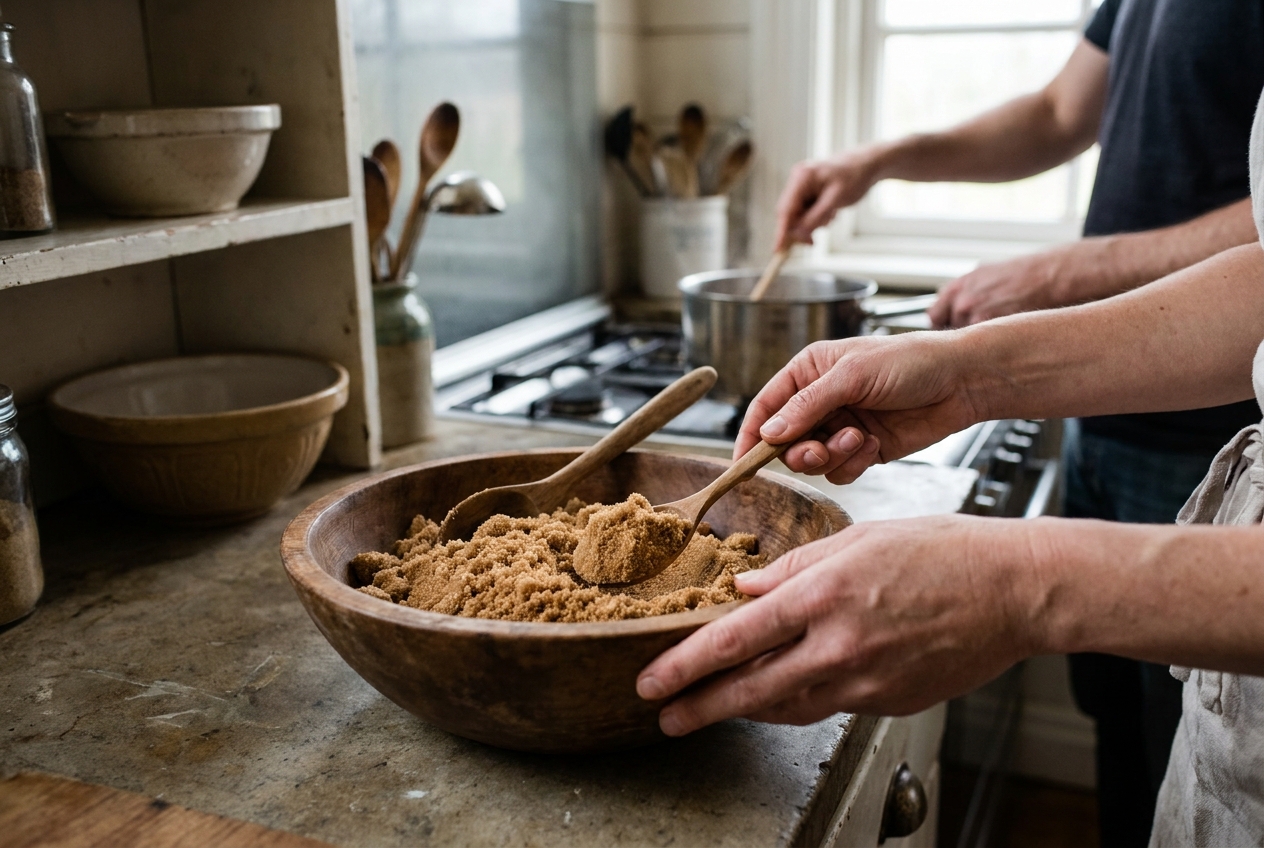
Brown sugar swaps
| Need | Use | How |
|---|---|---|
| 1 cup light brown sugar | 1 cup granulated sugar + molasses | Add 1 tbsp molasses for light brown. Mix well. |
| 1 cup dark brown sugar | 1 cup granulated sugar + molasses | Add 2 tbsp molasses for dark brown. Mix well. |
| Brown sugar, none available | Granulated sugar | Use 1:1. Expect less chew and less caramel note. |
Also true: swapping white sugar for brown sugar makes many cookies softer and a bit thicker, with more chew and a deeper flavor. It can also change spread.
Powdered sugar swaps
To replace 1 cup powdered sugar (approximate): blend 1 cup granulated sugar + 1 tbsp cornstarch until very fine. It will not always measure exactly the same by volume as store-bought powdered sugar, so for frosting, measuring by weight is the safest bet.
Honey, maple syrup, and liquid sweeteners
These can replace some granulated sugar, but they bring extra water. A careful starting point in cakes and quick breads is:
- Replace up to 1/2 the sugar with honey or maple syrup.
- Reduce another liquid by 2 to 4 tbsp per 1/2 cup liquid sweetener used.
- Expect more browning. Check earlier.
Baking powder and baking soda
These two are easy to confuse because they both make bubbles. The important difference is that baking soda needs acid, while baking powder carries its own acid and is designed to lift on a predictable schedule.
| If you are out of | Substitute | How to use it |
|---|---|---|
| Baking powder | Baking soda + a clearly acidic batter | Emergency only. For 1 tsp baking powder, start with 1/4 tsp baking soda plus make sure there is a real acidic ingredient present, like buttermilk, yogurt, sour cream, lemon juice, vinegar, or natural cocoa already in the recipe. (Dutch-process cocoa is neutralized, so do not count on it for acidity.) This does not perfectly copy baking powder's timing, and it can leave a slight flavor if the acid is not enough. Mix and bake promptly. |
| Baking soda | Baking powder | For 1/4 tsp baking soda, use 1 tsp baking powder. This is usually safe in quick breads and cakes, but it can slightly change browning and flavor. |
Flavor clue
If a bake tastes soapy or bitter, that is often too much baking soda or not enough acid to neutralize it.
Cocoa powder swaps
Cocoa can be natural (more acidic) or Dutch-process (neutralized, less acidic). That acidity can matter for rise.
| Recipe calls for | You have | What to do |
|---|---|---|
| Natural cocoa + baking soda | Dutch-process cocoa | Often still works, but rise may change. If the recipe relies on baking soda for lift, a common rescue is to replace some baking soda with baking powder. A small, practical starting point is: for every 1/4 tsp baking soda you remove, add 1 tsp baking powder. This is recipe-dependent, so treat it as a gentle adjustment, not a guarantee. |
| Dutch-process cocoa + baking powder | Natural cocoa | Use 1:1. Often fine since baking powder does not rely on cocoa acidity. |
For chocolate work that is all about precision, our chocolate fudge temperature guide is a sweet companion.
Swaps that can break a cake
- Reducing sugar drastically: less moisture, less tenderness, more tunneling, and a drier crumb.
- Using bread flour in a delicate cake: extra protein can make it chewy.
- Replacing butter with a low-fat spread: water content is unpredictable, and cakes can sink.
- Swapping all-purpose flour for a nut flour 1:1: nut flours have no gluten structure. This requires a different recipe, not a swap.
Quick FAQs
Can I use sour cream instead of buttermilk?
Yes. Thin it so it pours like buttermilk: 3/4 cup sour cream + 1/4 cup water or milk equals about 1 cup buttermilk. This keeps acidity and tenderness.
What is the best substitute for cake flour?
All-purpose flour plus cornstarch: 1 cup AP flour minus 2 tbsp, plus 2 tbsp cornstarch, sifted well.
If I only have salted butter, do I have to skip baking?
Nope. Use salted butter and reduce added salt by about 1/4 tsp per 1/2 cup butter.
Can I substitute baking soda for baking powder?
Only if the batter is clearly acidic. Baking soda needs acid to work properly and to avoid a soapy taste. Even then, treat it as an emergency approach, not a perfect match.