 e-rcps.com
Pasta Plus and home cooking, since 2000
Buttercream turning out gritty, too sweet, too soft to hold a swirl, or weirdly separated can feel like the frosting is being fussy on purpose.
The good news is that classic American vanilla buttercream is very fixable. With the right butter temperature, sifted powdered sugar, and enough beating time, it turns fluffy, smooth, and pipeable without tasting like a sugar cube.
At a glance
- What it usually is: Butter too warm or too cold, sugar not sifted, under-whipping, or too much liquid added too fast.
- What it means: Texture problems show up fast because this frosting is mostly butter and powdered sugar with just a little liquid to bring it together.
- Do first: Get butter to cool room temperature and beat it until pale and airy before adding sugar.
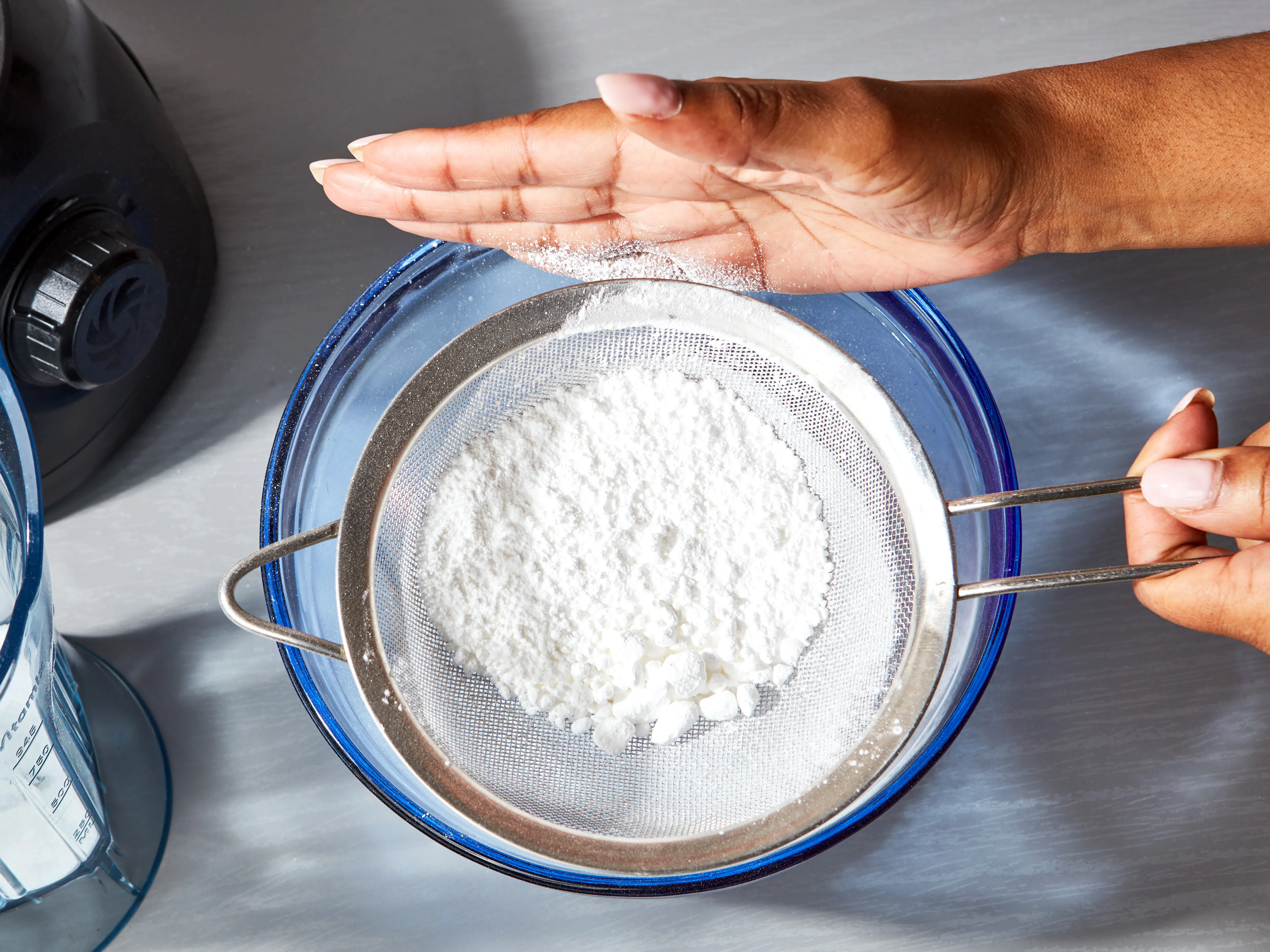
- Do second: Sift powdered sugar, add it gradually, then beat long enough to fully incorporate it so the frosting feels smooth.
- When to worry: If it tastes rancid, smells off, or sat out too long in a hot room, it is safer to discard and start fresh.
Why it acts weird
Why it can be fluffy but not cloying
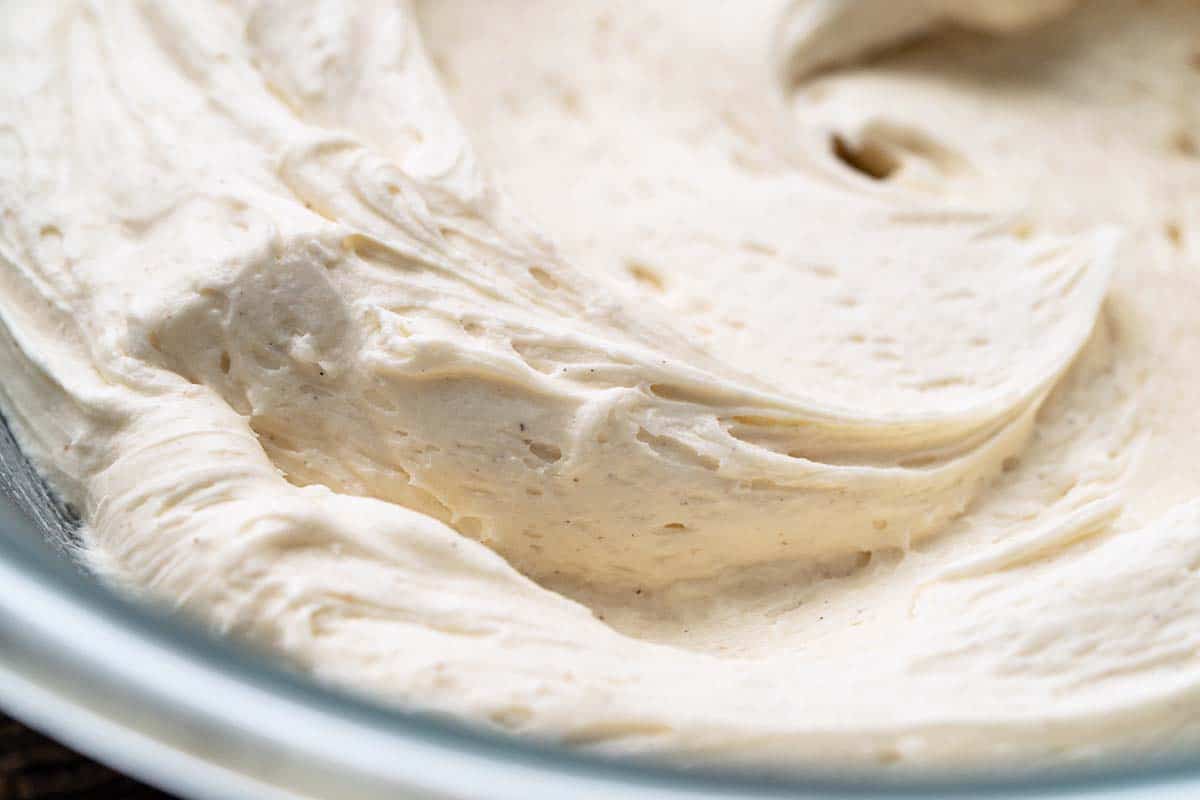
American vanilla buttercream is a whipped mixture of butter, powdered sugar, and a small amount of liquid. When it is beaten well, it traps tiny air bubbles that lighten the texture. That extra volume makes each bite feel softer and can take the edge off the sweetness.
Powdered sugar also contains a little cornstarch. That helps it grab onto moisture quickly and gives structure, which is why American buttercream can be pipeable without eggs or a cooked syrup.
What makes it gritty, thin, stiff, or split
- Gritty: Sugar clumps, sugar not fully incorporated, butter too cool to soften and disperse the sugar, or powdered sugar that is especially prone to lumps.
- Too thin: Butter too warm, too much liquid, a warm kitchen, or butter that is simply very soft at the temperature you are working.
- Too stiff: Too much powdered sugar, butter too cool, or not enough liquid.
- Split or curdled looking: Temperature mismatch, re-whipping while the frosting is still too cold, or adding liquid too fast.
Common causes
Butter temperature
For fluffy buttercream, butter should be cool room temperature, not glossy or melty. A good target for piping stability is around 65 to 70°F (18 to 21°C), but typical room temperature can run closer to 68 to 72°F (20 to 22°C). The real test is feel: it should dent easily when pressed but still feel cool. If it is greasy on the outside or slumps, the frosting will go loose.
Powdered sugar lumps
Powdered sugar packs and forms tiny hard clumps. If those clumps go straight into the bowl, they can leave a sandy feel even after mixing. Sifting takes an extra minute and pays you back in smoothness.
Powdered sugar type
Some powdered sugars are finer than others. A few brands, especially less refined styles, can feel a touch coarser or clumpier. If you keep getting a faint sandy texture even when you mix well, try sifting twice or switching brands once before you blame your technique.
Butter and sugar differences
Not all butter behaves exactly the same, and a butter that feels softer at a given room temperature can make a batch feel looser even if you measure everything perfectly. Salted butter also varies by brand, and that can change how sweet the frosting tastes. Unsalted butter gives you more control, and adding a measured pinch of salt helps the flavor taste balanced, not sugary.
Humidity and dry air
On humid days, powdered sugar can clump and turn stubborn, which increases grit unless you sift. On very dry days, buttercream can feel a touch chalky at first and often improves after a short rest and a re-whip once the butter and sugar have had time to settle together.
Not beating long enough
Many buttercream problems are simply under-whipping. Butter needs time to become pale and fluffy, and sugar needs time to fully disperse. A stand mixer makes this easy, but a hand mixer works too if you give it enough minutes.
Too much liquid at once
Vanilla and milk or cream are small amounts, but they can still tip the texture. Add liquid gradually, then judge. It is easier to thin a stiff frosting than to rescue an overly loose one.
Lookalikes
American buttercream vs whipped cream frosting
Whipped cream frosting is light but not as stable. If you need sharp piping, a warm room, or a cake that sits out for a while, American buttercream holds up better.
American buttercream vs Swiss meringue buttercream
Swiss meringue buttercream is less sweet and very silky, but it takes cooking egg whites and can be more sensitive. If you want a quick, dependable frosting with pantry ingredients, American buttercream is the classic choice.
Gritty buttercream vs crunchy sugar crystals
Grittiness is usually sugar lumps or not enough mixing. Crunchy crystals can happen if granulated sugar is accidentally used instead of powdered sugar. Granulated sugar will not dissolve properly in this style of frosting.
Troubleshooting
Too thin
- Cool it first: Chill the bowl for 5 to 10 minutes, then re-beat. Warm buttercream will not hold a swirl no matter how hard you whip it.
- Then adjust: If it still needs structure, add a little more powdered sugar and mix well. If you keep adding sugar to fight heat, it can turn overly sweet and still feel unstable.
Too stiff
- Loosen gradually: Add milk or cream a little at a time, mixing well after each addition.
- Let it relax: If the butter was on the cool side, 10 minutes at room temperature can soften the texture, then a quick re-whip brings it back.
Grainy or gritty
- Beat longer: Many batches just need more time for the sugar to fully disperse and the frosting to feel smooth.
- Rest, then re-beat: Let it sit 10 minutes, then whip again. That short pause can help stubborn grit.
- Next time, sift: It is the simplest fix for that sandy feel.
Split or curdled looking
- Reset the temperature: If it is cold and clumpy, wrap the bowl with a warm towel for 30 to 60 seconds and keep mixing. If it is warm and loose, chill 5 minutes, then mix again.
- Keep mixing: Buttercream often comes back together with steady beating once the temperature is back in range.
Too many air bubbles
- Finish low: After whipping to the texture you want, mix on low for 30 to 60 seconds to smooth it out.
- Press it out: For super smooth frosting, use a spatula to press the buttercream against the side of the bowl to pop bubbles, then give it a brief stir.
What not to do
- Do not use granulated sugar. It will stay crunchy.
- Do not add liquid in a rush. A little too much can turn it soupy.
- Do not frost a warm cake. Heat melts buttercream and makes it slide.
Quick guide
Runny and shiny
Cool the bowl briefly, then re-whip until it looks matte and holds a soft peak.
Hard to spread
Add milk or cream by teaspoons, mixing well, until it turns creamy again.
Feels gritty
Whip longer, and if it still feels sandy, rest 10 minutes and whip again.
FAQ
How much does one batch cover?
It depends on the recipe yield and how thick you frost, but many typical home-recipe batches land in the 4 to 5 cup range. That is often enough for a 9x13-inch sheet cake, a two-layer 8-inch or 9-inch cake with a basic coat, or about 24 cupcakes with a moderate swirl. If you like tall cupcake swirls or thick borders, you will want extra.
Can I make it less sweet without changing the whole recipe?
Yes. Start with the lower amount of powdered sugar, add the salt if your recipe uses it, and beat it well so it gets fluffy. Heavy cream can also make it taste rounder than milk, but add it slowly so the frosting stays pipeable.
Can I color and flavor this buttercream?
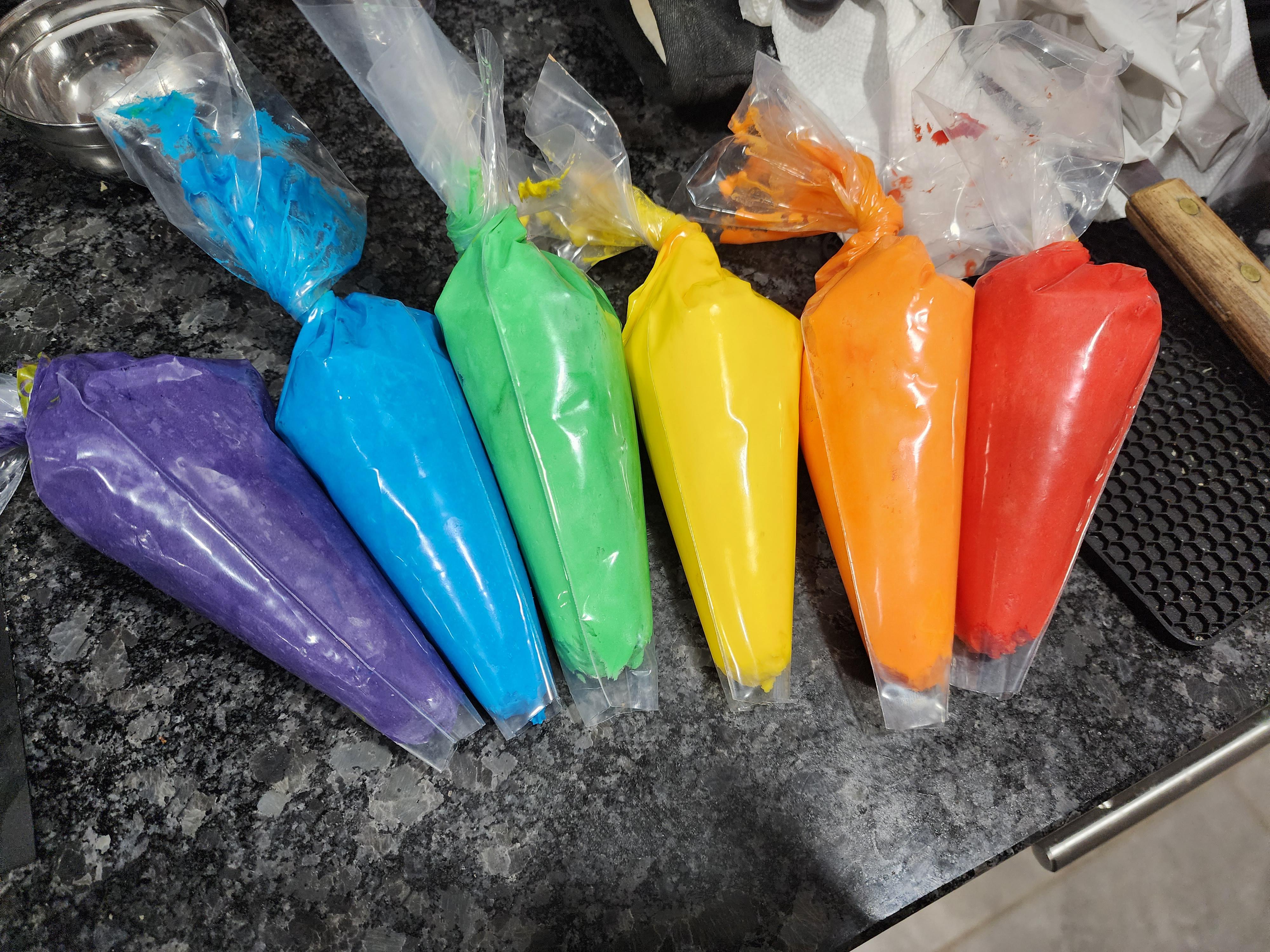
Yes. Gel food coloring is best because it adds strong color without thinning the frosting much. For flavor, swap the vanilla for almond extract (use less), add citrus zest, or beat in cocoa powder for a chocolate version.
How do I store it and make it fluffy again?
Store buttercream in an airtight container in the refrigerator for up to 1 week, or freeze up to 2 months. Times can vary depending on your ingredients and how warm the room is while you work. If your buttercream includes milk or cream, keep it refrigerated and do not leave it sitting out for long stretches in a hot room. Bring it back to cool room temperature, then re-whip until light. If it seems split during re-whipping, keep mixing and adjust temperature slightly until it smooths out.
Bottom line
Fluffy, pipeable vanilla buttercream comes down to three things: cool room temperature butter, sifted powdered sugar, and enough beating time. Once the texture is right, small tweaks to sugar and liquid let you land on that sweet spot where it tastes classic, not cloying.
Why this works
- Beating the butter first builds air, which makes the frosting lighter and less intensely sweet per bite.
- Sifting powdered sugar removes hard lumps that cause gritty texture.
- Adding sugar gradually keeps the mixture smooth and prevents a dense, under-mixed frosting.
- A small amount of salt balances sweetness and brings out vanilla flavor.
- Small temperature adjustments fix most texture problems without starting over.
Ingredient notes
- Unsalted butter: Use cool room temperature butter for structure. Salted butter varies by brand, so it is harder to control the flavor.
- Powdered sugar: Sift it. Start with the lower amount for a less sweet frosting and add more only if you need stiffness.
- Vanilla extract: Pure vanilla gives the cleanest flavor. Imitation works in a pinch and is often very stable in baked goods and frostings.
- Milk or heavy cream: Cream adds richness and helps the frosting feel less sharp. Add slowly so the frosting stays pipeable.
- Salt: Just a little makes the frosting taste more balanced, not salty.
Equipment
- Stand mixer with paddle attachment or a hand mixer
- Large mixing bowl
- Fine mesh sieve for sifting powdered sugar
- Rubber spatula for scraping the bowl
- Measuring cups and spoons
- Piping bag and tip (optional, for cupcakes or borders)
Pro tips
- Use the cool room temp test: Butter should dent easily but still feel cool. Shiny, soft butter makes loose frosting.
- Beat longer than you think: Under-whipping is the fastest way to end up with dense, overly sweet frosting.
- Start low, finish higher: Low speed prevents a sugar cloud. Faster mixing at the end builds fluff.
- Finish on low for smoothness: A short low-speed mix at the end helps knock out air bubbles for a cleaner finish.
- Fix with temperature before sugar: If it is runny, cooling the bowl usually works better than adding lots of extra powdered sugar.
Substitutes
- Butter: For a slightly whiter, more stable frosting, replace up to 1/2 cup (113 g) butter with vegetable shortening. Flavor will be less buttery.
- Milk: Heavy cream is the best swap for richness. Half-and-half also works.
- Vanilla: Try vanilla bean paste (use the same amount) or scrape in seeds from 1 vanilla bean for a speckled look.
- Powdered sugar: There is no true substitute for American buttercream. If you want less sweetness overall, consider a meringue-based buttercream instead of forcing this one with low sugar.
Flavor variations
- Chocolate: Beat in sifted unsweetened cocoa powder, then add a small splash of milk or cream as needed.
- Almond: Swap vanilla for almond extract, using less since almond is strong.
- Lemon: Add lemon zest and a little lemon juice, added gradually so it does not get loose.
- Strawberry: Add freeze-dried strawberry powder for flavor without thinning.
- Coffee: Stir a little instant espresso into a small amount of warm water, cool it, then beat it in.
Serving ideas
- Frost a 9x13-inch yellow or chocolate sheet cake with a thick, swoopy layer and sprinkles.
- Use as a filling and frosting for a two-layer cake, adding a simple piped border.
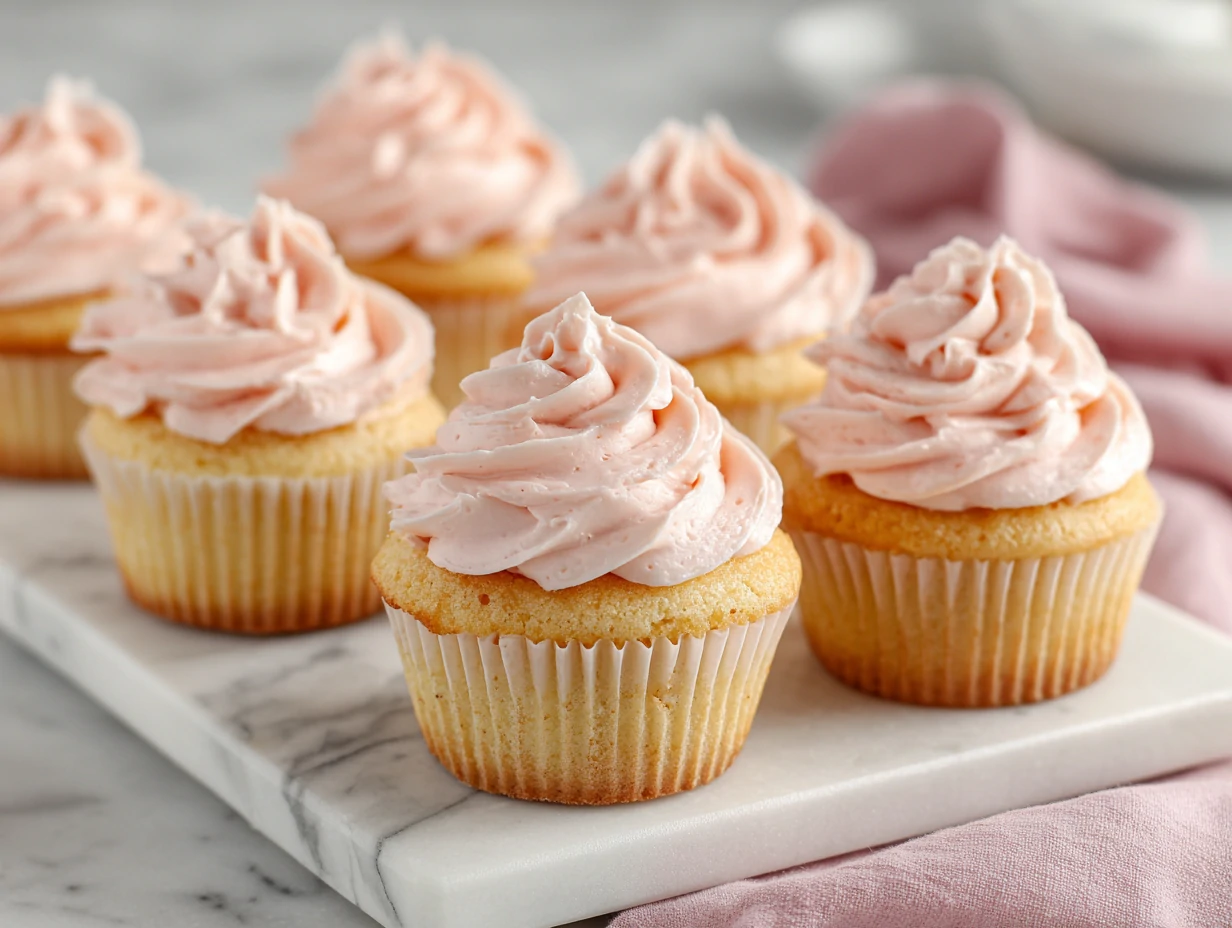
- Pipe onto cupcakes with a star tip for a classic bakery swirl.
- Sandwich between soft sugar cookies for quick frosting-filled cookie sandwiches.
- Spread a thin layer on brownies for frosted brownie bars that slice cleanly when chilled.
Storage and make-ahead
Room temperature
If your kitchen is cool (below about 70°F, 21°C), buttercream can sit out for several hours while you decorate and serve. In hot weather, it softens quickly, so chill the cake if needed. If your buttercream includes milk or cream, keep it chilled when you are not actively decorating, and avoid leaving it out for long stretches in heat.
Refrigerator
Store in an airtight container up to 1 week. Before using, let it sit at room temperature until cool and pliable, then re-whip until fluffy.
Freezer
Freeze in an airtight container up to 2 months. Thaw overnight in the refrigerator, then bring to cool room temperature and re-whip.
Re-whipping tip
- Start on low speed until it loosens, then increase the speed.
- If it looks separated during re-whipping, keep mixing and adjust temperature slightly with a short chill or gentle warming of the bowl.
Common mistakes
- Using butter that is too warm: The frosting turns loose and shiny and will not hold piping.
- Skipping the sifter: Powdered sugar lumps create gritty frosting that never fully smooths.
- Adding liquid too fast: A small extra pour can push it from creamy to soupy.
- Not beating long enough: Under-whipped butter stays dense and the frosting tastes sweeter and heavier.
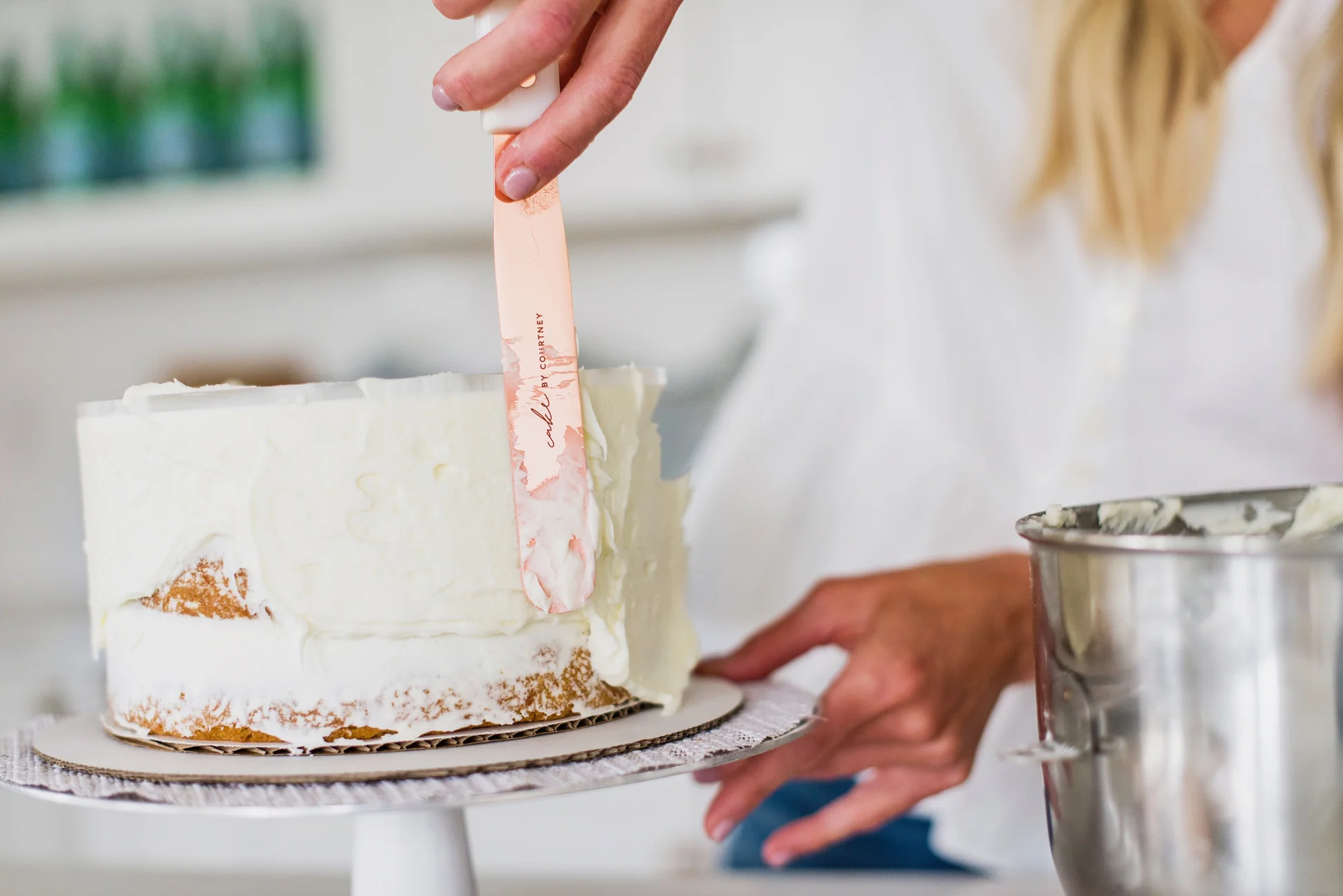
- Frosting a warm cake: Buttercream melts and slides, especially on layer cakes.
FAQ
How much frosting do I need for a two-layer cake?
Plan on about 4 to 5 cups for a two-layer 8-inch or 9-inch cake with a standard coat and simple decoration. If you want thick borders, heavy texture, or extra filling between layers, make a little more.
Why does my buttercream taste too sweet?
American buttercream is sweet by design, but it tastes less intense when it is whipped well and balanced with salt. Start with the lower amount of powdered sugar and only add more if you need stiffness.
Can I make this ahead for a party?
Yes. Make it up to a week ahead and refrigerate, or freeze up to two months. Bring it back to cool room temperature and re-whip so it is fluffy again before frosting.
What if my frosting has air bubbles?
Air bubbles happen when buttercream is whipped hard. For the smoothest finish, beat briefly on low at the end, or press it against the sides of the bowl with a spatula to knock out bubbles.