 e-rcps.com
Pasta Plus and home cooking, since 2000
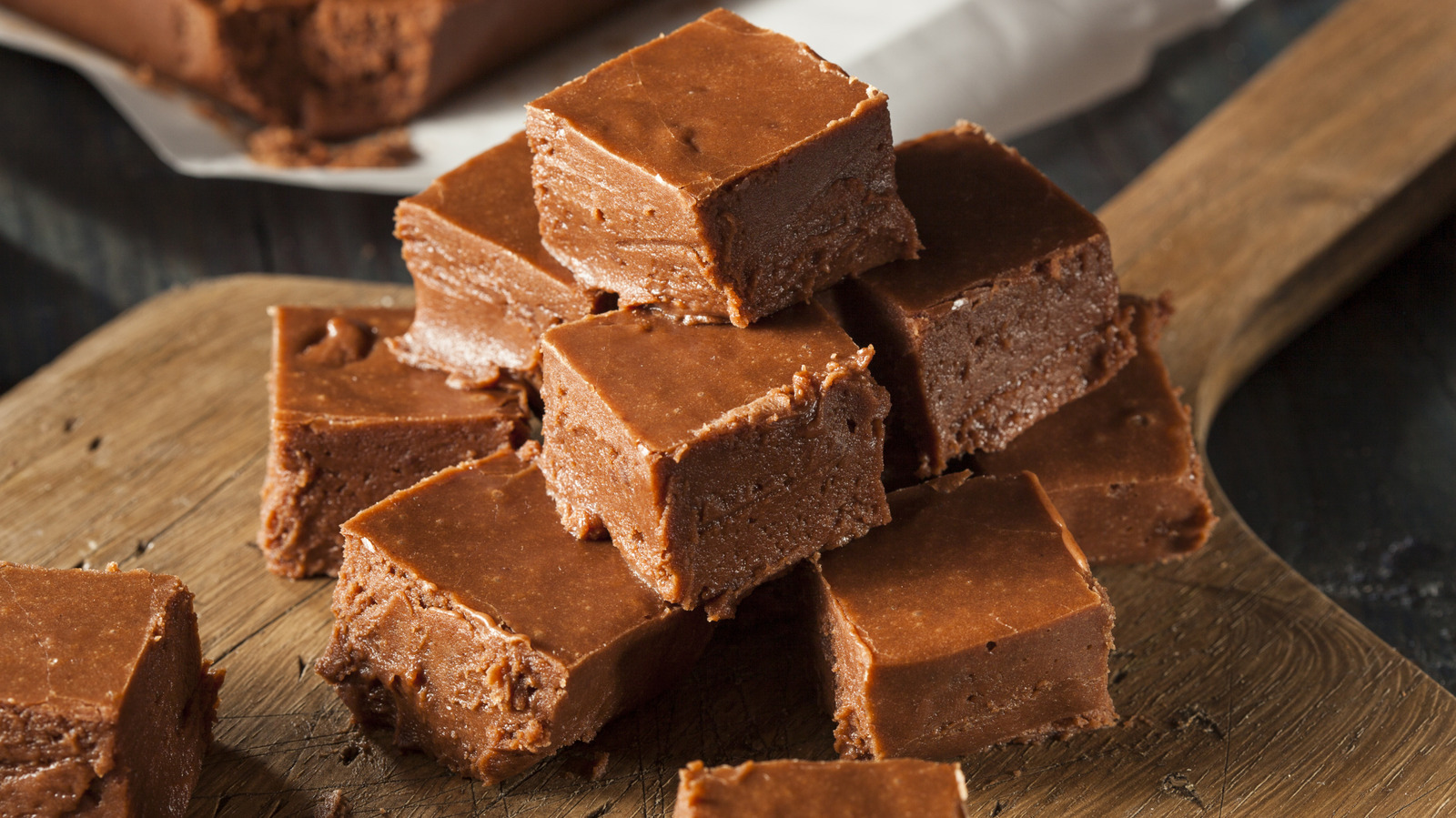
Classic chocolate fudge is cozy, simple, and just a tiny bit scientific. The secret is temperature control, then patience during cooling, then beating at exactly the right moment so the sugar crystals stay teeny-tiny (smooth fudge) instead of turning sandy (grainy fudge).
This guide is for traditional cooked sugar and milk fudge, the kind you boil, cool, beat, then pour. Quick fudges made with marshmallow creme or sweetened condensed milk follow a different rhythm.
Key temperatures
For old-fashioned stovetop fudge, there are two temperatures to keep your eye on.
- Cook to 234 to 238°F (112 to 114°C), the soft-ball stage sweet spot for creamy, sliceable fudge.
- Cool to about 110°F (43°C) before beating, for the smoothest texture.
A quick note on soft-ball stage: many candy charts define soft-ball as roughly 234 to 240°F. The slightly narrower 234 to 238°F window is a dependable target for classic fudge, but your best guide is a calibrated thermometer and the cues in the pot.
Tools and setup
Use the right pan and tools
- Heavy saucepan with a light-colored interior if possible (easier to see scorching).
- Candy thermometer clipped to the pan, with the tip not touching the bottom.
- Pastry brush and water or a damp paper towel for washing down sugar crystals on the sides.
- 8-inch square pan lined with foil or parchment, lightly buttered.
Before you start boiling
- Line your pan first. Once fudge hits the right stage, the clock matters.
- Measure everything. Fudge is not the place for “a little extra milk.”
- Keep the lid handy. A quick covered simmer early on can help dissolve stray crystals.
If you want more classic comfort sweets to pair with fudge season, peek at Desserts and the cozy lineup in Comfort Food Classics.
Step-by-step timeline
This is the dependable rhythm for old-fashioned stovetop chocolate fudge (the kind you boil, cool, beat, then pour). Use it with your favorite cooked chocolate fudge recipe.
1) Dissolve the sugar completely
Combine sugar, cocoa, milk (or evaporated milk, depending on your recipe), and butter as directed. Heat over medium, stirring gently until the mixture looks smooth and the sugar feels dissolved.
- Do not crank the heat at the start. Undissolved sugar now becomes crystals later.
- Sweep down the sides of the pot with a damp brush if you see grains clinging above the liquid line.
2) Bring to a boil, then stop stirring
Once the mixture reaches a steady boil, stop stirring. Stirring splashes syrup onto the sides, where it can crystallize and then seed the whole batch.
Optional but helpful: after the first boil begins, cover the pot for 2 to 3 minutes. Steam washes down the sides, dissolving crystals. Uncover and continue.
3) Cook to soft-ball stage
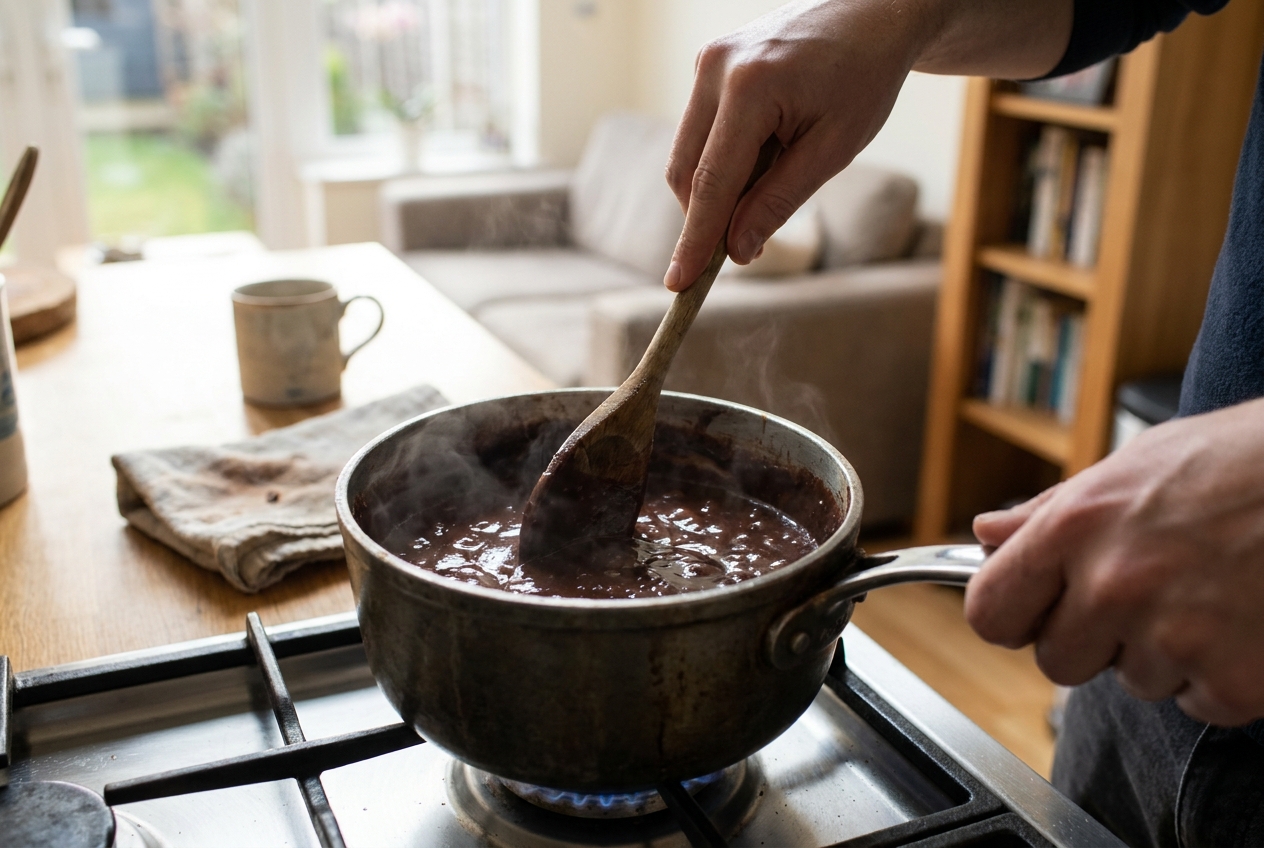
Keep boiling at a controlled, steady rate until the thermometer reads 234 to 238°F.
- Go by temperature, not minutes. Humidity, pan size, and burner strength change timing.
- Typical range: often 8 to 15 minutes of boiling after it really gets going, but treat that as a loose estimate.
- Adjust for altitude: reduce the target temperature by about 2°F per 1,000 feet, or use the thermometer calibration method below and adjust based on your actual boiling point.
4) Add flavorings, then cool undisturbed to 110°F
When the fudge hits temperature, remove the pan from heat. If your recipe adds vanilla (and sometimes an extra pat of butter) off heat, add it now and stir just enough to incorporate. Then stop and let it be.
Now the patience step: let the pan sit undisturbed until it cools to 110°F (43°C).
- Exact cooling goal: 110°F is a sweet spot where crystals form small during beating.
- Cooling time varies: pot size, pot material, and room temperature matter, so go by thermometer. It is often 35 to 60 minutes, sometimes longer.
- Do not speed-cool aggressively in the fridge or with stirring, which can trigger graininess.
5) Beat at 110°F, then pour immediately
At about 110°F, start beating. You can use a sturdy spoon or a mixer on low.
Watch for these cues:
- The gloss changes to a satiny, then slightly matte finish.
- The mixture thickens and begins to hold soft ridges.
- Trails start to hold and do not immediately disappear back into the surface.
Stop at the first sign of losing shine, then pour quickly into the prepared pan and smooth the top. If you beat too long, it may set in the pot.
6) Set time before slicing
- Room temperature set: 2 to 4 hours for clean slices.
- For the neatest cuts: cover and rest overnight at room temperature.
- Do not slice warm. Warm fudge smears and can look greasy.
Cold-water test
If you do not have a thermometer, the cold-water test can get you there.
Safety first: boiling sugar is dangerously hot. Use a spoon to drop in a small amount, and use the spoon to lift it out. If you do use your fingers to feel the syrup, let it cool in the water first and be cautious.
Fill a small glass with very cold water. Drop in a small spoonful of boiling syrup, let it cool a moment, then test the texture.
- Soft-ball stage: it forms a soft, flexible ball that flattens when removed.
- Too early: it dissolves or stays runny.
- Too late: it forms a firm ball that holds its shape strongly or feels tough.
This test works, but it is easier to overshoot. If fudge is a favorite comfort treat in your kitchen, a thermometer quickly earns its keep.
Troubleshooting
Grainy or sandy fudge
What happened: sugar crystals formed too large, often from stirring at the wrong time, crystals stuck on the pan sides, or beating too early.
How to prevent it next time:
- Dissolve sugar fully before boiling.
- Stop stirring once it boils.
- Brush down sides, or do the 2 to 3 minute covered steam step.
- Cool undisturbed to 110°F before beating.
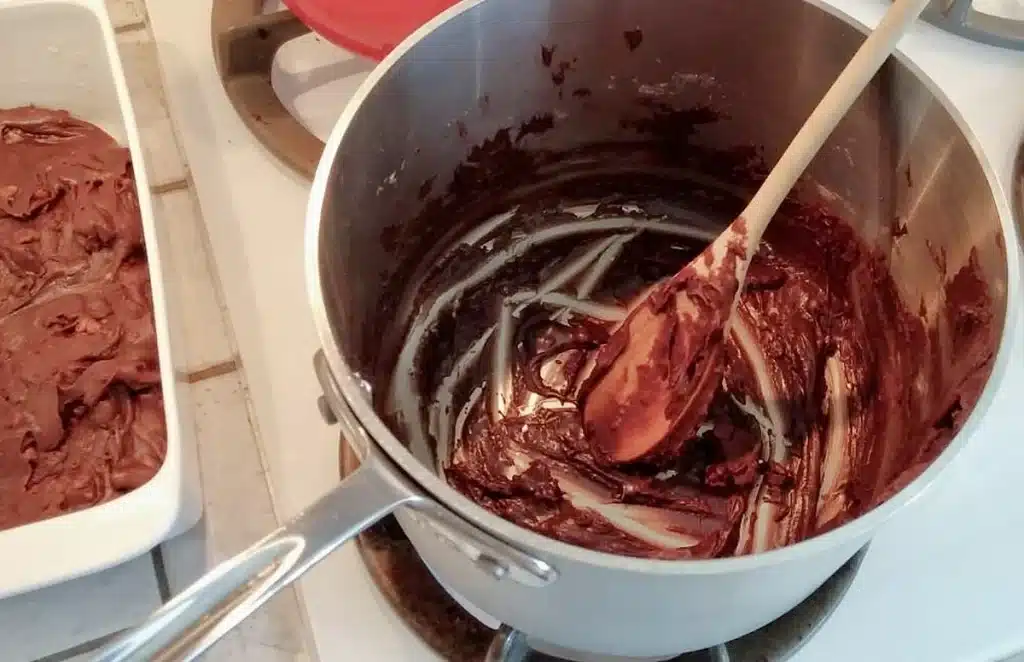
Can it be saved? Often, yes. Return the fudge to the pot, add 2 to 4 tablespoons water (just enough to re-dissolve), and re-cook to 234 to 238°F, then cool to 110°F and beat again.
Fudge is too soft, sticky, or will not set
What happened: undercooked syrup (did not reach soft-ball), too much liquid, or very humid conditions can nudge it softer.
Fix: reheat with a splash of water, re-cook to the target temperature, then cool and beat properly.
Next time: verify your thermometer accuracy (see below), and make sure your target reflects your actual boiling point at your altitude.
Fudge is dry, crumbly, or too hard
What happened: overcooked syrup (temperature too high), or cooked too long after reaching stage.
Fix: reheat gently with 2 to 4 tablespoons water or a bit of milk, re-dissolve, and cook again to the correct temperature.
Next time: pull the pan off the heat as soon as it hits range, and keep the thermometer tip correctly placed (not touching the pan bottom).
Fudge set in the pot before you could pour
What happened: beating went a bit long, or it cooled below the ideal beating range and set quickly.
Fix: warm the pot very gently on low just until it loosens, then pour right away. Avoid high heat, which can change the sugar stage.
Greasy or separated fudge
What happened: the fat separated, sometimes from overheating, aggressive boiling, or adding cold ingredients at a bad moment.
Prevention:
- Use steady heat, not a raging boil.
- Follow the recipe’s butter timing (some add at start, some add later).
- Avoid scraping hardened bits from the sides into the batch.
Possible rescue: a brief reheat and gentle stirring can bring it back together, but if separation is severe, a full re-cook is usually more reliable.
Thermometer check
Candy thermometers can drift. A fast check:
- Bring a pot of water to a full rolling boil.
- Insert thermometer without touching the bottom.
- It should read 212°F (100°C) at sea level.
- If it reads off, adjust your fudge target by the same amount. If your water boils at 208°F where you live, your soft-ball target will also be about 4°F lower.
Small details that help
- Do not scrape the pot when pouring. Crystals or dried syrup around the edges can seed graininess.
- Beat with intention, not speed. You want controlled crystallization, not whipped air.
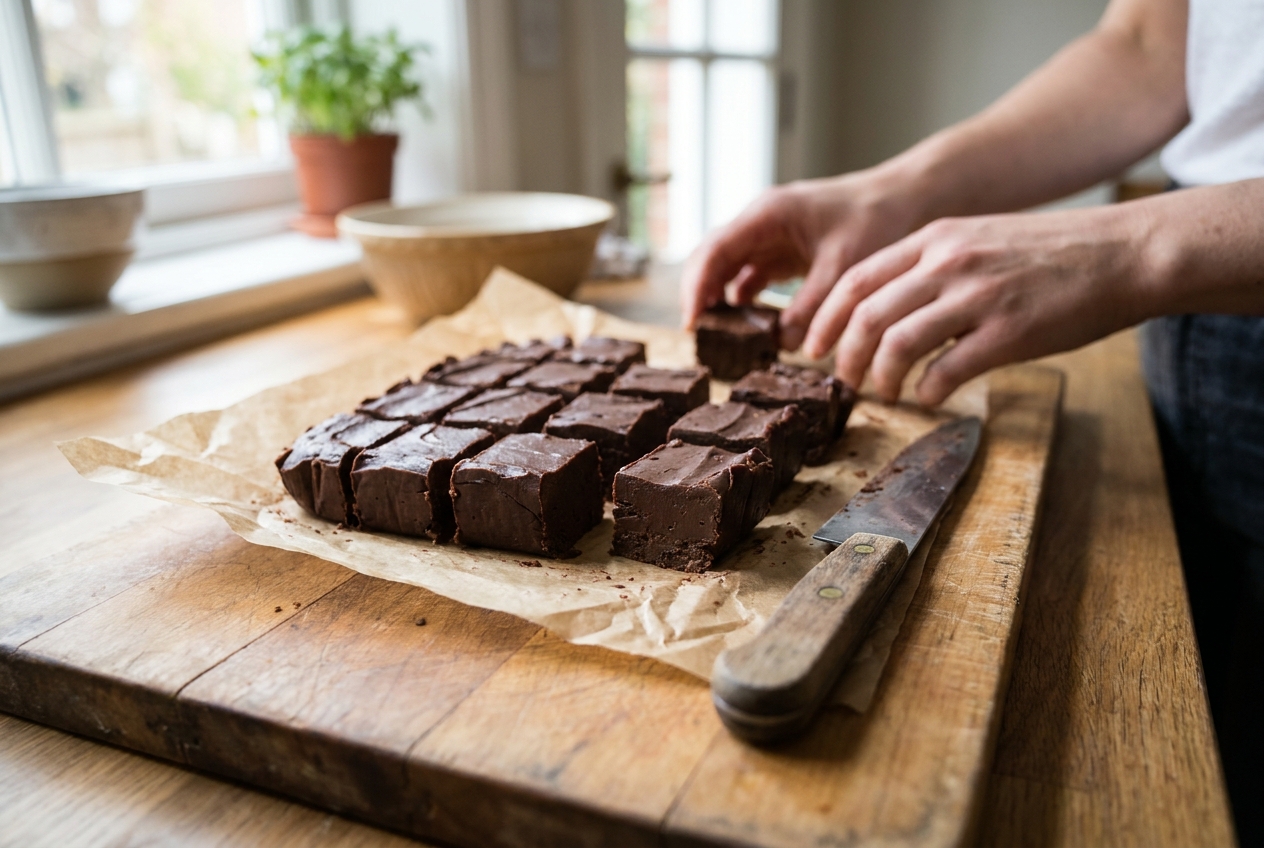
- Cut with a warm knife for tidy squares. Warm the blade under hot water, wipe dry, then slice.
- Store airtight. At cool room temperature, fudge usually holds well for about 1 to 2 weeks. For longer storage, freeze tightly wrapped and thaw still wrapped to prevent condensation.
Quick FAQ
Do I really have to wait until 110°F to beat?
For classic stovetop cooked fudge, yes, it is one of the most reliable ways to prevent graininess. Beating hot syrup encourages large crystals, while beating at about 110°F encourages many tiny crystals (smooth texture).
Why did my fudge turn grainy right after I added vanilla?
It usually is not the vanilla itself. It is stirring once boiling has started or disturbing the cooling syrup. Add vanilla off heat, stir just enough to mix it in, then let the fudge cool without stirring until 110°F.
Can I double the batch?
Doubling changes heating and cooling behavior and makes timing trickier. If you do, use a larger heavy pot, expect longer time to reach stage, and keep your focus on thermometer temperatures instead of minutes.
Is soft-ball always 234 to 238°F?
Soft-ball is commonly listed as about 234 to 240°F at sea level. For classic fudge, 234 to 238°F is a very reliable target range, but altitude and thermometer accuracy matter, so calibrate using your actual boiling point when you can.