 e-rcps.com
Pasta Plus and home cooking, since 2000
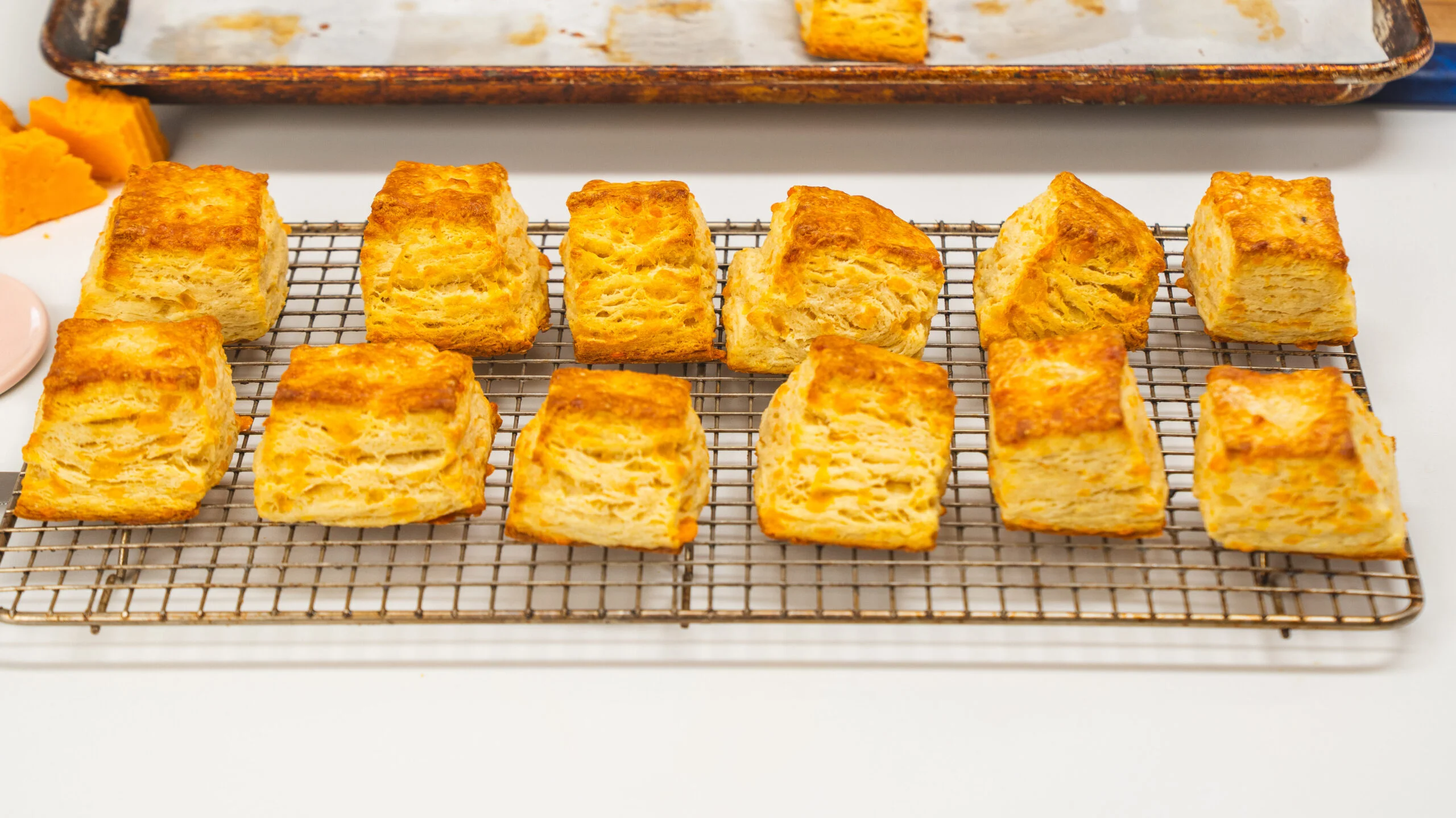
Tall, flaky buttermilk biscuits are a cozy little kitchen miracle: a handful of everyday ingredients, a very hot oven, and one smart habit that makes the biggest difference. That habit is keeping the butter cold and leaving it in distinct pieces, so it stays in little pockets long enough to create steam and separation as the biscuits bake.
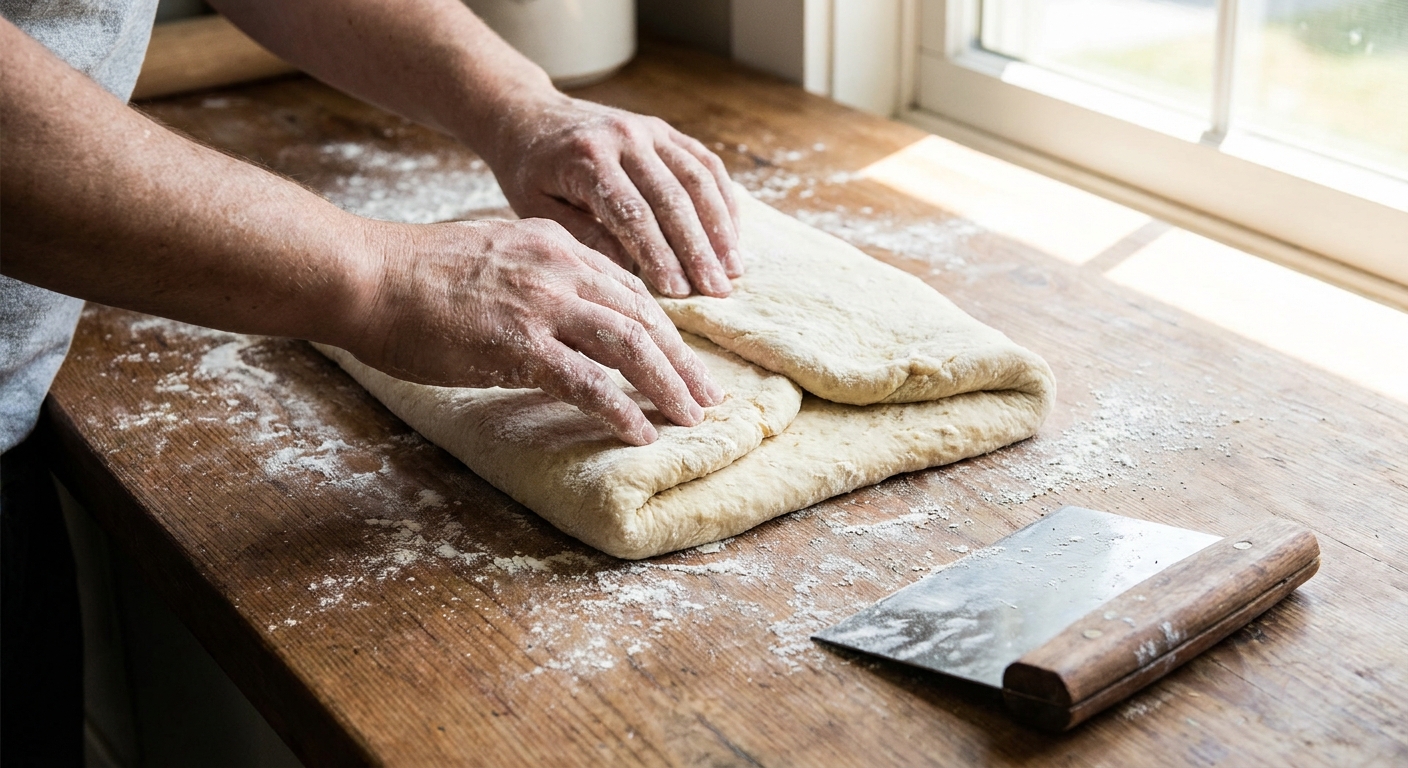
This page focuses on the simple technique that helps biscuits rise high and pull apart beautifully: a few quick folds of the dough. It is gentle handling, not heavy kneading, just enough to stack the dough and butter into layers without smoothing everything out.
You will also see the oven target (450 F) and why it matters. Strong heat gives the biscuits quick lift from steam and leavening, setting the sides before the fat fully melts and the layers settle.
Once you've got the technique down, head to the recipe card for the full ingredient list and the exact steps.
If you enjoy classic home favorites, you might also like browsing Comfort Food Classics and keeping Kitchen Basics close by for everyday know-how.
Why it works
- Cold butter equals lift. Firm butter pieces hit the heat and release steam, prying the dough apart into flakes.
- Folding builds layers. A few simple folds stack dough and butter like pages in a book, so the biscuit rises taller and pulls apart cleanly.
- Buttermilk brings tenderness. Its acidity helps soften gluten for a more tender bite, and it adds that classic tang.
- A very hot oven sets structure fast. High heat gives quick oven spring so the biscuits rise before the layers can slump.
Ingredient notes
Flour
All-purpose flour makes a reliable everyday biscuit. If you use a scale, weighing flour helps prevent a dry dough. If measuring by cups, spoon flour into the cup and level it off rather than scooping and packing.
Buttermilk
Cold buttermilk is best. It keeps the dough cool and helps preserve butter pieces. If your buttermilk is warm, chill it briefly before mixing.
Butter
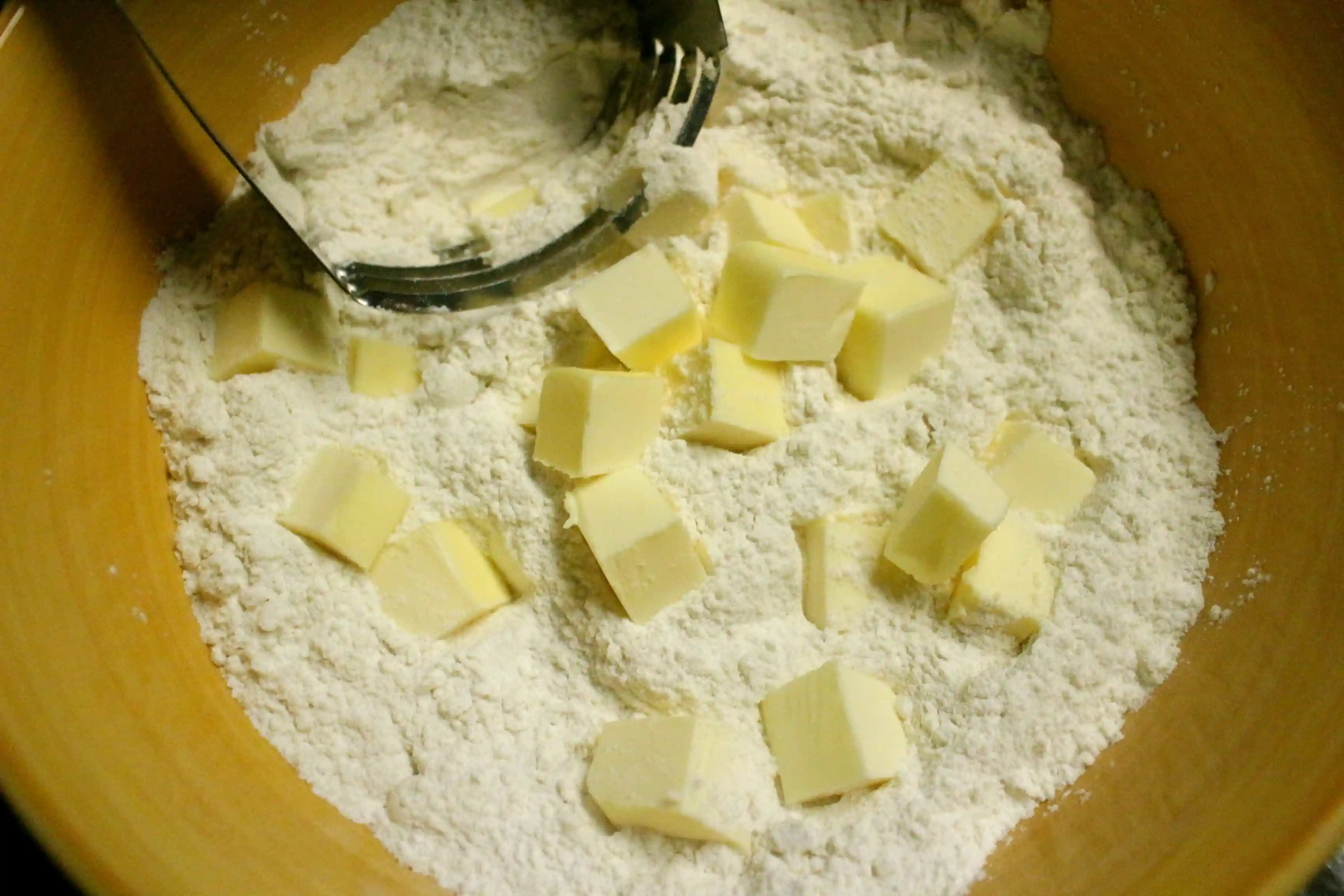
Use very cold unsalted butter, cut into small cubes. Some cooks like to freeze butter for 10 to 15 minutes before cutting, which can make the folding step easier.
Leavening and salt
Baking powder provides most of the lift. A touch of baking soda helps balance buttermilk acidity and improves browning. Salt is not optional here. It makes the flavor taste like a real biscuit instead of plain bread.
Equipment
- Large mixing bowl
- Pastry cutter, fork, or clean fingertips for cutting in butter
- Bench scraper for folding and moving dough neatly
- Rolling pin (helpful, but gentle patting works too)
- 2 1/2-inch biscuit cutter or a sharp-edged drinking glass
- Sheet pan and parchment paper
- Optional: instant-read thermometer to confirm oven accuracy
Pro tips for tall, flaky layers
1) Keep everything cold
If the butter feels soft or greasy at any point, pause and chill the dough for 10 minutes. Cold dough goes into the oven with the best chance of rising high.
2) Cut butter in lightly
Stop cutting in butter when you still see pieces about the size of peas and small beans. Those visible pieces are future layers.
3) Fold, do not knead
Pressing and folding strengthens the dough just enough while keeping it layered. Kneading like bread blends butter too thoroughly and can make biscuits tough.
4) Cut straight down
When you cut biscuits, press the cutter straight down and lift straight up. Twisting seals edges and reduces rise.
5) Bake close together for higher sides
Set biscuits so they are just touching on the pan. They help support each other as they climb upward.
Substitutes
No buttermilk?
For a quick substitute, stir 1 tablespoon lemon juice or white vinegar into 1 cup milk and let it stand 5 minutes, then use as needed. The flavor will be slightly different from true cultured buttermilk, but the biscuits will still rise and brown nicely.
No unsalted butter?
Salted butter works. Reduce added salt by about 1/4 teaspoon in the recipe.
No biscuit cutter?
A sharp-edged glass can work. Avoid thin-lipped cups that pinch the edge. The cleaner the cut, the better the rise.
Variations
- Honey butter biscuits: Brush hot biscuits with melted butter mixed with a spoonful of honey.
- Cheddar and chive: Fold in 3/4 cup shredded sharp cheddar and 2 tablespoons chopped chives with the dry ingredients.
- Black pepper biscuits: Add 3/4 teaspoon freshly ground black pepper to the dry mix for a savory bite.
- Sweet breakfast biscuits: Add 1 to 2 tablespoons sugar to the dry ingredients and serve with jam.
Serving ideas
- Split and fill with sausage gravy for a classic comfort plate.
- Serve warm alongside a cozy bowl of soup from our soup collection.
- Make quick breakfast sandwiches with eggs and cheese.
- Brush with butter and serve with honey or preserves.
Storage and make-ahead
Storing baked biscuits
Keep biscuits in an airtight container at room temperature for up to 2 days. Rewarm in a 350 F oven for 5 to 8 minutes to bring back a little crispness.
Freezing unbaked biscuits
Cut the biscuits, freeze on a sheet pan until firm, then store in a freezer bag. Bake from frozen, adding a few extra minutes, and keep the oven hot so they rise instead of spreading.
Freezing baked biscuits
Cool completely, then freeze airtight. Reheat wrapped in foil in a 350 F oven until warmed through.
Common mistakes that flatten biscuits
- Warm butter: If the butter blends into the flour before baking, the layers disappear and the biscuits bake up short.
- Overmixing after adding buttermilk: Stir just until the dough looks shaggy. A few dry streaks are fine before the folds bring it together.
- Too much flour on the counter: Excess flour can dry out the dough and prevent good sealing during folds.
- Twisting the cutter: It seals edges and blocks rise.
- Oven not hot enough: Biscuits need strong initial heat for a fast lift.
FAQ
What oven temperature makes biscuits rise higher?
A hot oven helps biscuits spring fast. 450 F is a dependable target for tall, flaky buttermilk biscuits, especially on a preheated sheet pan.
Should biscuit dough be sticky?
Yes, slightly. A dry, stiff dough tends to bake up dense. Use just enough flour to keep it manageable while folding and cutting.
How many folds are best for flakiness?
Usually 3 folds is the sweet spot for distinct layers without overworking the dough.
Can I use a rolling pin?
Yes. Use a light touch and roll from the center outward. If the dough starts to resist or warm up, chill it briefly.
Why did my biscuits spread instead of rising?
The most common reasons are warm butter, an oven that is not fully preheated, or dough that was pressed too thin. Cutting biscuits with a twisting motion can also reduce lift.