 e-rcps.com
Pasta Plus and home cooking, since 2000
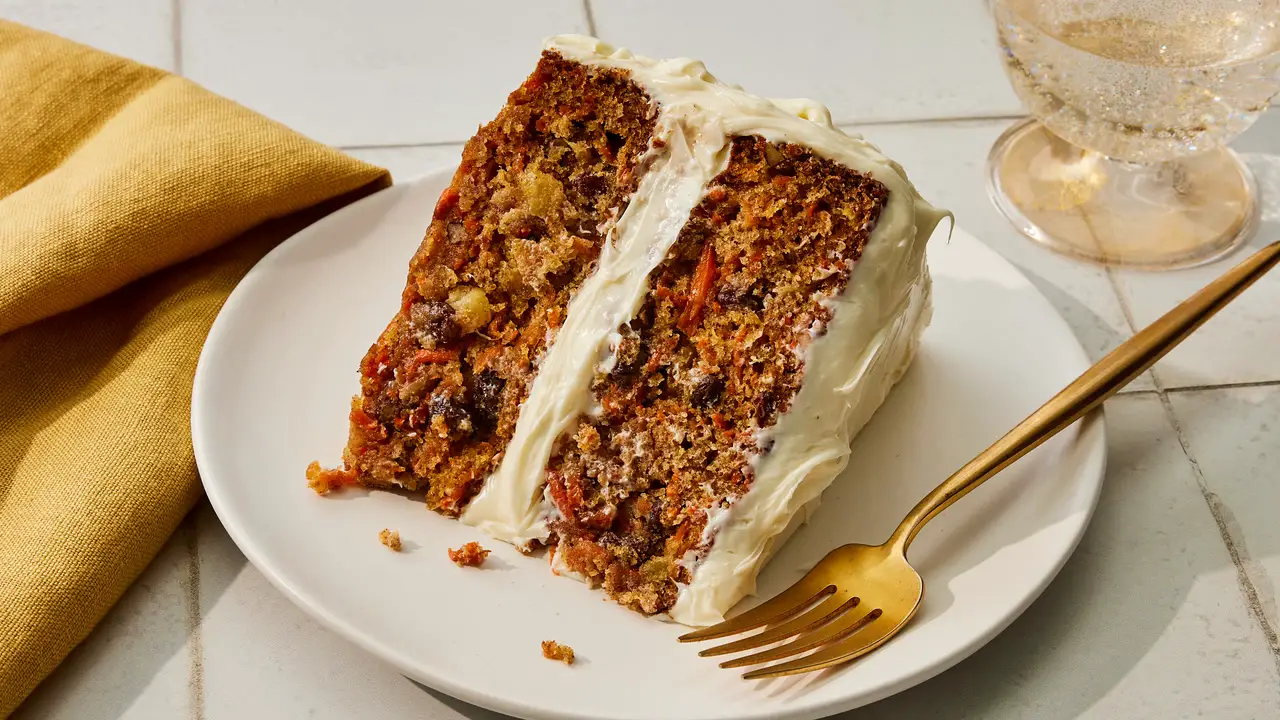
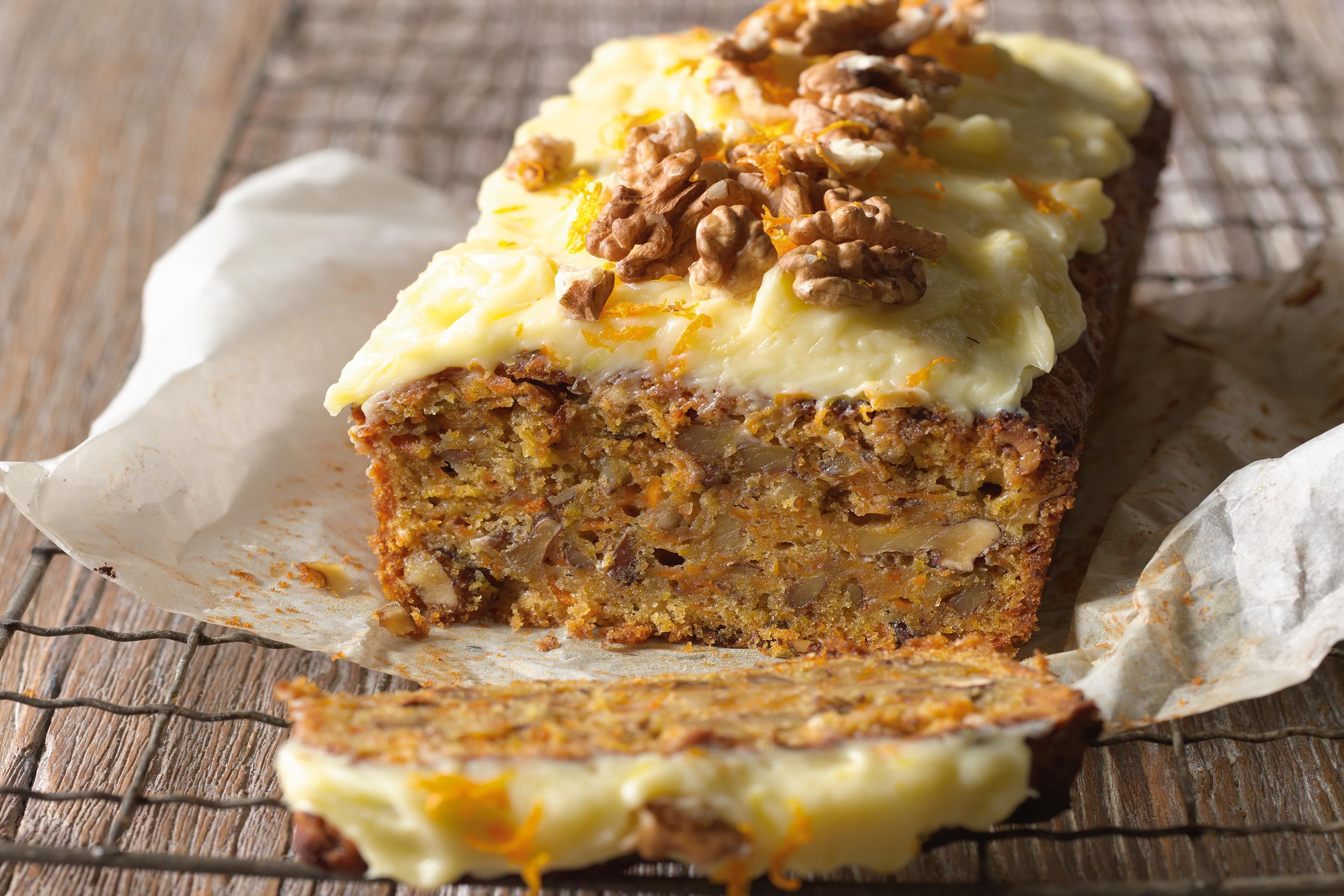
This carrot cake is cozy and classic: warmly spiced layers, plenty of freshly grated carrots for moisture, and a cream cheese frosting that is tangy, fluffy, and sturdy enough to stack. The promise: no dry layers, and a frosting that behaves when you spread it.
What keeps it moist
Moist carrot cake is all about balancing water, fat, and structure. Carrots bring water and texture, oil keeps the crumb tender, and eggs plus flour provide the framework so the layers rise and slice cleanly.
- Freshly grated carrots contribute water that steams as the cake bakes, keeping the crumb soft.
- Neutral oil stays fluid when chilled, so the crumb feels softer straight from the fridge.
- Brown sugar helps hold moisture and deepens the flavor.
- Correct bake time prevents drying the edges while the center finishes.
If you are in a frosting mood, you might also like Homemade Vanilla Buttercream Frosting. Buttercream is a little more heat-tolerant, while cream cheese frosting brings that classic tang carrot cake loves.
Grating carrots
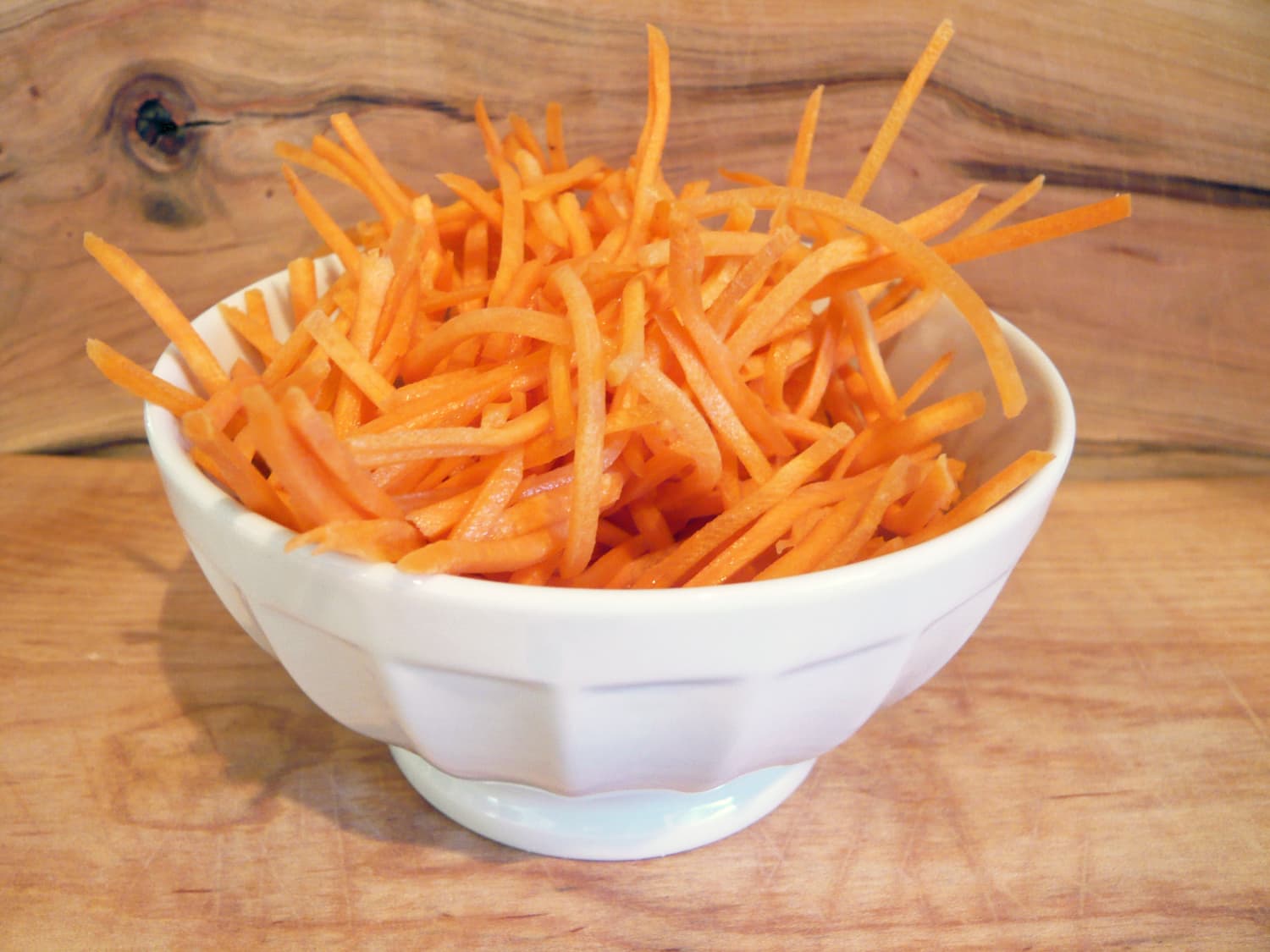
Carrots are the star here, but how you grate them matters more than most people expect.
Best grater choice
- Box grater, medium holes: best balance of moisture and texture. The carrot threads melt into the crumb instead of sitting in long strands.
- Food processor shredding disc: fastest option. It can create thicker shreds, so measure carefully and give the pile a quick chop if strands look very long.
- Fine microplane style grating: usually too fine for classic carrot cake. Ultra-fine carrot behaves more like a wet purée and can loosen the batter, giving you a heavier, less distinct crumb.
Do not drain the carrots
Skip squeezing, blotting, or “drying” the carrots. That carrot moisture is part of the recipe’s tenderness. If the carrots seem extremely wet (rare, but possible), spread the grated carrots on a plate for 5 to 10 minutes so surface water evens out, but do not press them dry.
How to measure grated carrots
For consistent results, weigh the carrots after grating.
- Target amount: 340 g grated carrots.
- Volume guide: about 3 1/2 cups loosely packed. Carrots vary a lot by grater style and how tightly you pack a cup, so treat cups as an estimate.
Carrot layer cake
This makes a tall, celebratory two-layer 9-inch cake.
- Yield: one 2-layer 9-inch cake
- Serves: about 12 to 14 slices
Pan and oven setup
- Pans: two 9-inch round cake pans, 2 inches deep
- Oven: 350°F conventional (325°F convection/fan). If using convection, start checking a few minutes early.
- Prep: grease pans, line bottoms with parchment circles, then lightly flour the sides
Dry ingredients
- 300 g all-purpose flour (about 2 1/2 cups, spooned and leveled)
- 300 g granulated sugar (about 1 1/2 cups)
- 110 g packed brown sugar (about 1/2 cup)
- 2 tsp baking powder
- 1 tsp baking soda
- 1 tsp fine salt
- 2 tsp ground cinnamon
- 1 tsp ground ginger
- 1/4 tsp ground nutmeg
A quick note on cups
Cup measures vary by how you fill the cup. In this recipe, the grams are the “always works” numbers. If you use cups, use the spoon-and-level method for flour.
Spice swaps
Keep the cinnamon, then feel free to tweak the supporting spices. You can swap the ginger and nutmeg for 1 1/4 teaspoons pumpkin pie spice, or add a small pinch of cloves or allspice if you like a deeper, bakery-style warmth.
Wet ingredients
- 240 ml neutral oil (1 cup)
- 4 large eggs, room temperature if possible
- 2 tsp vanilla extract
- 120 ml buttermilk (1/2 cup), room temperature if possible
Mix-ins
- 340 g freshly grated carrots (about 3 1/2 cups loosely packed)
- Optional: 100 g chopped toasted walnuts or pecans (scant 1 cup)
- Optional: 80 g raisins (about 1/2 cup)
How to mix
- Whisk dry ingredients in a large bowl until the spices look evenly distributed.
- Whisk wet ingredients (oil, eggs, vanilla, buttermilk) in a second bowl until smooth. Room-temperature eggs and buttermilk help the batter blend evenly, which helps the cake bake evenly.
- Combine: pour wet into dry and stir with a spatula just until no dry pockets remain. Once flour is in, skip the mixer so you do not overwork the batter.
- Fold in carrots (and any nuts or raisins) until evenly mixed.
- Optional rest: let the batter sit 5 minutes. It gives the flour a moment to hydrate so the batter thickens slightly and pours more evenly into the pans.
- Optional anti-sink tip: if you are using raisins or chopped nuts and you want extra insurance, toss them with 1 to 2 teaspoons flour before folding them in.
Divide batter evenly
For level layers, portion by weight if you can. Divide the batter evenly between the two pans, then tap each pan gently on the counter to release large air bubbles.
Bake and cool
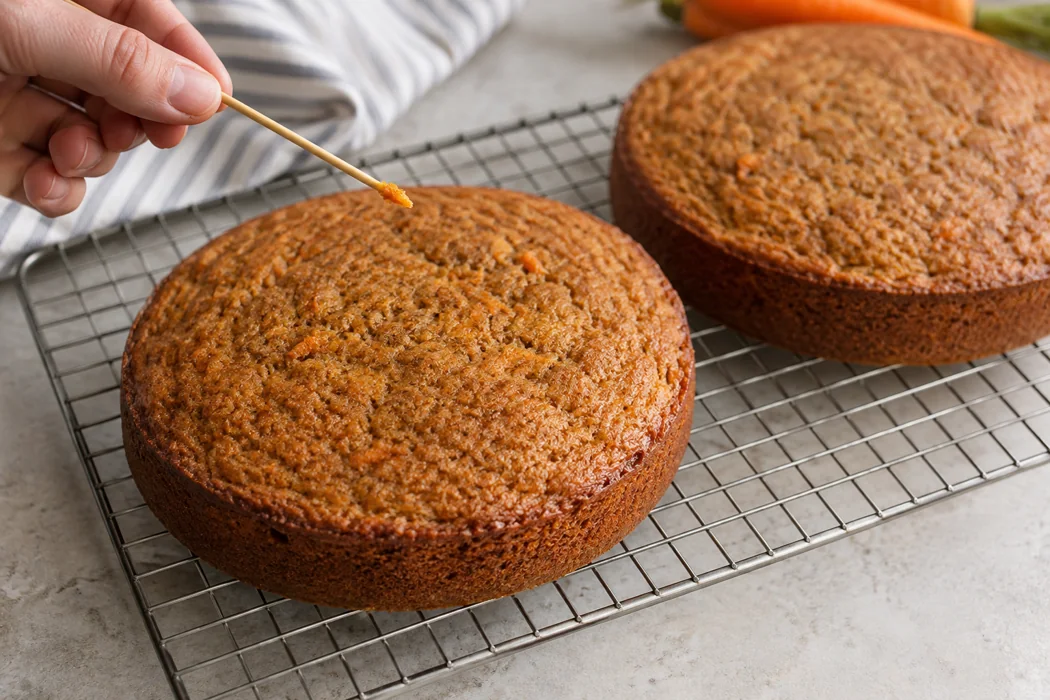
Carrot cake can look done before the center is truly set. Use time as a guide, but let doneness tests make the final call.
Bake times
- Two 9-inch layers at 350°F: 28 to 35 minutes
If you use different pans, treat the times below as estimated starting points. Batter depth, pan material, and ovens vary.
- Two 8-inch layers at 350°F: about 32 to 40 minutes (estimated)
- Three 8-inch layers at 350°F: about 22 to 28 minutes (estimated)
Doneness tests
- Toothpick: a tester in the center should come out with moist crumbs, not wet batter.
- Spring back: gently press the center. It should spring back rather than leave a dent.
- Edge clues: the cake should pull slightly from the pan sides and look set, not glossy, in the center.
Cooling for neat layers
- Cool in pans for 10 minutes.
- Turn out onto a rack, peel off parchment, and cool completely.
- Chill before frosting: 45 to 60 minutes in the fridge makes frosting cleaner and reduces crumbs.
Cream cheese frosting
Cream cheese frosting is famous for being delicious and also a little unpredictable. The key is temperature control and the right mixing order so it stays creamy instead of loose.
Ingredients
- 113 g unsalted butter, softened (1/2 cup)
- 340 g full-fat block cream cheese, cool but not icy (12 oz)
- 1 tsp vanilla extract
- Pinch of salt
- 480 to 600 g powdered sugar, sifted (4 to 5 cups), to taste and thickness
- Optional: 1 to 2 tsp lemon juice for a brighter tang
- Approximate yield: about 4 to 5 cups frosting, enough for filling plus a full coat on a two-layer 9-inch cake.
Mixing method
- Beat the butter first for 2 to 3 minutes until smooth and slightly fluffy.
- Add powdered sugar gradually and beat until the mixture looks thick and creamy. This step builds structure.
- Add cream cheese last and mix on low just until smooth. Do not overbeat, which can make it loose.
- Mix in vanilla, salt, and optional lemon juice.
Texture fixes
- If frosting is too soft: chill 15 to 25 minutes, then stir gently. Soft frosting is often simply warm.
- If frosting is too sweet: add a pinch more salt or a small splash of lemon juice. Avoid adding extra cream cheese to fix sweetness since that can loosen it.
- If frosting is lumpy: it is usually a temperature mismatch. Next time, aim for butter softened and cream cheese cool but pliable.
Assemble
Steps
- Level layers if needed: use a serrated knife to trim domes so the cake stacks evenly.
- Anchor the cake: spread a small dab of frosting on the cake plate, then set down the first layer.
- Fill: add about 3/4 to 1 cup frosting and spread to the edges.
- Stack: add the second layer, cut side down for a flatter top.
- Crumb coat: spread a thin layer of frosting all over and chill 15 minutes.
- Final coat: frost smoothly, then add swirls or simple rustic texture.
Finishing touches
- Press chopped toasted nuts around the sides.
- Add a light dusting of cinnamon on top.
- Decorate with thin carrot ribbons made using a vegetable peeler.
Storage and make-ahead
- Because of cream cheese frosting, store the finished cake covered in the refrigerator.
- Room temperature window: for serving, it is fine to let slices sit out 15 to 25 minutes so the crumb softens and the frosting becomes silky. For food safety, do not leave cream cheese frosting out for more than 2 hours total.
- Make-ahead layers: bake, cool, wrap tightly, and refrigerate up to 2 days, or freeze up to 2 months.
- Make-ahead frosting: refrigerate up to 3 days. Let it soften slightly, then stir gently before using.
Troubleshooting
My cake sank
- Center was underbaked. Next time, extend bake time and use the spring-back test.
- Oven door opened early. Try not to open before the 25-minute mark for 9-inch layers.
The cake is dense
- Flour may have been overmeasured. Weighing flour (300 g) helps a lot, or spoon and level your cups.
- Batter may have been mixed too long after adding flour. Stir just until combined, then fold carrots in gently.
Frosting went runny
- Most often: overmixing after adding cream cheese. Mix on low just until smooth.
- Warm kitchen: chill the bowl and frosting for 15 to 25 minutes before spreading.
- Cream cheese type: use full-fat block cream cheese, not tub style, for best structure.
Carrots are crunchy
- Shreds were too thick. Use the medium holes of a box grater, or chop long processor shreds.
- Carrots were older and dry. Fresh, firm carrots grate more evenly.
More cozy baking
If you are in a classic-dessert mood, you might also like:
- Yellow Birthday Cake with Chocolate Buttercream
- Old-Fashioned Buttermilk Pound Cake
- Slow Cooker Apple Crisp
- Lemon Meringue Pie Without Weeping
Now grab that grater and those cake pans. This one makes the whole kitchen smell like warm spices and pure comfort.