 e-rcps.com
Pasta Plus and home cooking, since 2000
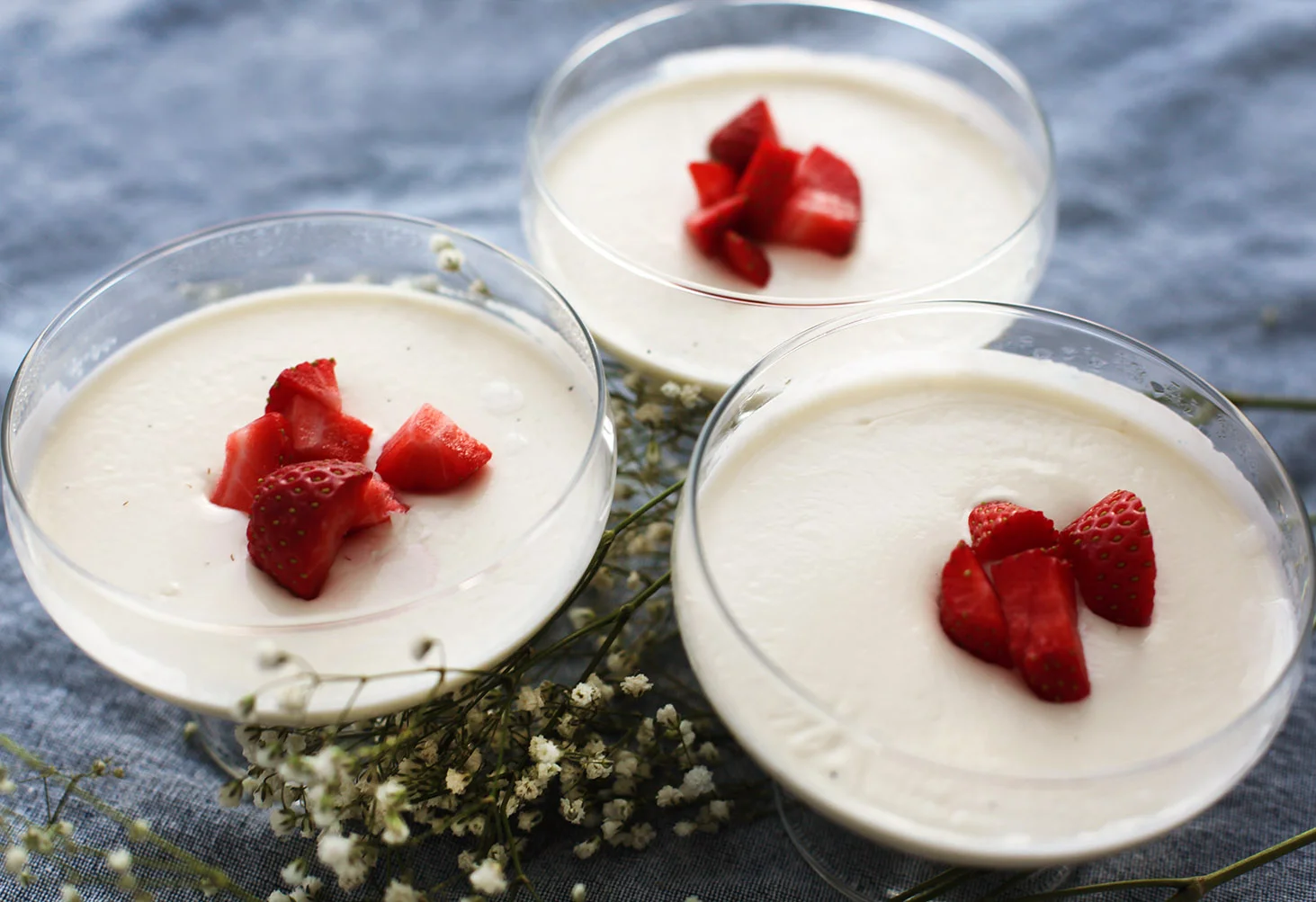
Panna cotta is one of the best little miracles in the dessert world: a silky, set cream dessert (no eggs, no custard-style thickening) that feels rich but somehow still light. It is typically made with cream, sugar, vanilla, and gelatin, and plenty of versions also include a splash of milk and a pinch of salt for balance.
The tricky part is always the same question: How much gelatin is enough?
In the sections below and in the recipe card, I share the gelatin-to-dairy balance I rely on, plus a clear chilling schedule for that classic Italian finish: clean unmolding, a gentle wobble, and a melt-in-the-mouth bite. I also walk through the practical fixes for the two most common headaches: “it will not set” and “it set up too firm.”
For more sweet ideas after this one, wander through Desserts, or visit Gnocchi to see what else is bubbling away in the kitchen.
Why it works
- Balanced gelatin ratio: Using a measured amount of powdered gelatin per cup of dairy gives a panna cotta that unmolds reliably but still melts quickly on the tongue.
- Proper blooming: Hydrating gelatin in cold liquid first prevents grainy bits and uneven setting.
- Gentle heating: Warming the cream mixture just enough to dissolve sugar and gelatin protects flavor and texture. Boiling is not needed.
- Full chill time: Gelatin needs time, not just cold, to form a stable network. A short chill is the most common reason for “soft centers.”
Ingredient notes
Gelatin (powdered)
This recipe uses unflavored powdered gelatin. Different brands vary slightly, so measuring by weight is the most consistent option.
- Foolproof ratio: 6 g powdered gelatin per 2 cups (480 ml) dairy. That is about 1 3/4 teaspoons for most common powdered gelatins. This lands in the “sliceable but tender” zone.
- Softer set (spoon dessert): 5 g per 2 cups dairy.
- Firmer set (for tall unmolds or warm rooms): 7 g per 2 cups dairy.
Cream and milk
Classic panna cotta is often all heavy cream, but a cream and milk blend sets beautifully and tastes less heavy. Fat also softens the perceived firmness, which is why gelatin needs to be measured carefully.
Vanilla bean
Vanilla bean adds a deep vanilla aroma and those lovely specks. Split the bean and scrape the seeds into the cream, then steep the pod briefly for extra flavor.
Sugar
Sugar sweetens and also slightly softens the set. If you cut sugar drastically, the panna cotta can seem a touch firmer even at the same gelatin level.
Salt
A tiny pinch makes the vanilla taste rounder, not salty.
Equipment
- Small saucepan
- Whisk
- Fine-mesh strainer (helpful for the smoothest texture)
- Measuring cups and spoons, or a small kitchen scale (best for gelatin)
- 4 ramekins or small custard cups (6 to 8 oz each)
- Shallow baking dish or roasting pan (to hold cups level in the fridge)
Pro tips for the perfect set
1) Bloom in cold liquid, not warm
Sprinkle gelatin over cold milk and let it stand 5 to 10 minutes. Gelatin needs that time to fully hydrate. Dumping gelatin straight into warm cream is a fast track to tiny rubbery grains.
2) Heat gently and briefly
Warm the dairy just until steaming and the sugar dissolves. If you see a simmer starting around the edges, that is plenty. Boiling is unnecessary and can dull delicate vanilla aroma.
3) Dissolve completely, then strain
After adding bloomed gelatin, whisk until fully melted and the liquid looks perfectly smooth. Straining catches any undissolved bits and gives the cleanest texture.
4) Chill long enough
For unmolding, plan on at least 6 hours, and overnight is even more reliable. Gelatin continues strengthening as it cools and rests.
5) Unmold with warm water, not brute force
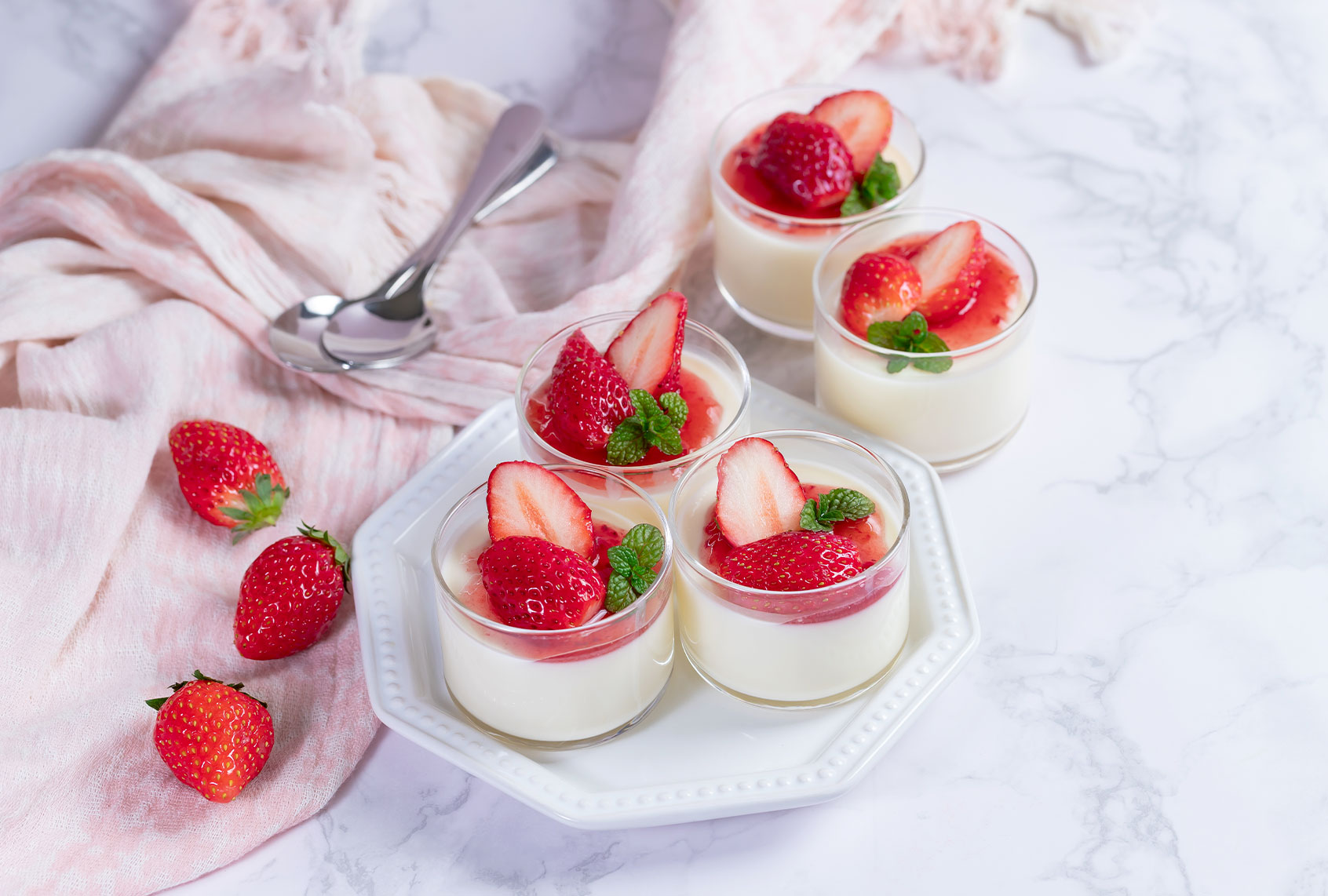
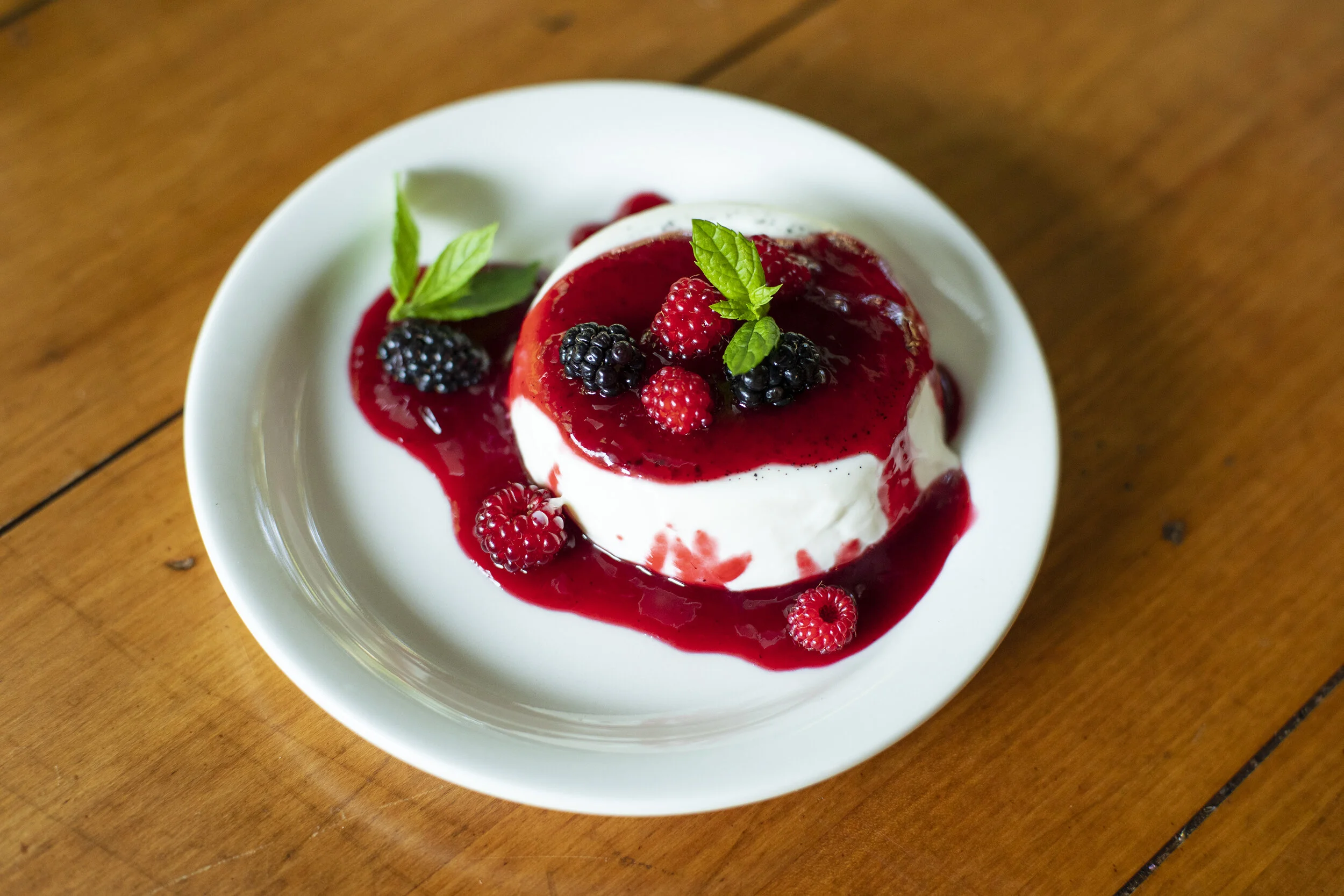
Dip each cup in warm water for 5 to 10 seconds, run a thin knife just at the rim if needed, then invert onto a plate. If it resists, dip for a couple seconds more. Slow and gentle wins.
Substitutes
Vanilla bean alternatives
- Vanilla extract: Use 1 1/2 to 2 teaspoons, stirred in after removing the pot from heat.
- Vanilla bean paste: Use 1 1/2 to 2 teaspoons, also off heat.
Gelatin sheets instead of powder
Sheets work well, but strengths vary by brand. If your sheets list a gram weight, aim for the same target amount as powdered gelatin: about 6 g total gelatin for 2 cups dairy. Soak sheets in cold water until soft, squeeze out excess water, then whisk into the warm cream mixture until dissolved.
Dairy adjustments
You can shift the balance toward more milk for a lighter panna cotta, but a lower-fat mixture can feel slightly firmer at the same gelatin level. Keep the gelatin ratio steady first, then fine-tune softness with the next batch.
Variations
- Citrus: Add a strip of lemon or orange zest while warming the cream, then remove before chilling.
- Coffee: Dissolve 1 to 2 teaspoons instant espresso into the warm dairy before adding gelatin.
- Brown sugar vanilla: Swap half the granulated sugar for light brown sugar for a caramel note.
- Buttermilk swirl: Whisk in 1/4 cup buttermilk off heat for a tangy finish. Keep the mixture warm enough that gelatin stays dissolved.
Serving ideas
- Serve unmolded with fresh berries and a spoonful of their juices.
- Top with a quick fruit sauce, or a drizzle of honey and toasted nuts.
- For a simple dessert board, pair with crisp cookies and sliced fruit.
If you are building a full sweets table, you might also enjoy Old-Fashioned Buttermilk Pound Cake or Chewy Vanilla Caramels.
Storage
- Refrigerate: Keep covered in the refrigerator for up to 3 days for best texture.
- Cover well: Panna cotta picks up fridge odors easily, so wrap cups tightly or use lidded containers.
- Do not freeze: Freezing can cause weeping and a grainy texture after thawing.
Common panna cotta mistakes
It did not set
- Too little gelatin: Increase to 6 to 7 g per 2 cups dairy next time.
- Gelatin not fully dissolved: If bloomed gelatin was not melted completely, the set can be uneven or weak.
- Not enough chill time: Give it a full 6 hours, preferably overnight.
It is rubbery or bouncy
- Too much gelatin: Reduce by 1 g next time. Small changes make a big difference in panna cotta.
- Over-concentrated dairy: Long boiling can reduce liquid and increase firmness. Warm gently instead of boiling.
Grainy bits or little gelatin clumps
- Gelatin was not bloomed: Always bloom in cold milk or water first.
- Gelatin was dumped in as a pile: Sprinkle evenly over the surface.
- Skip-the-strainer risk: Straining is a simple safety net for the smoothest finish.
It will not unmold cleanly
- Too warm water dip: Very hot water can melt the outer layer too quickly. Use warm, not boiling.
- Too short dip: A 5 to 10 second dip is usually just right.
- Under-set center: If the panna cotta is still soft, it may need more chill time.
FAQ
What is the best gelatin-to-cream ratio for panna cotta?
For a classic unmoldable panna cotta that still melts in the mouth, a dependable target is 6 g powdered gelatin for 2 cups (480 ml) dairy. For a softer spoon dessert, use 5 g. For a firmer unmold (or warmer serving conditions), use 7 g.
How long does panna cotta need to chill?
Plan for at least 6 hours for a fully set panna cotta that unmolds cleanly. Overnight is ideal when you can.
Can I make panna cotta in advance?
Yes. Panna cotta is happiest made 1 day ahead. Keep it covered in the refrigerator and unmold close to serving time.
Why does my panna cotta weep liquid?
Weeping can happen if the dessert freezes and thaws, if the gelatin ratio is off, or if the panna cotta sits uncovered and condensation forms. Store covered and avoid freezing.
Do I need to grease the ramekins?
It is optional. A very thin wipe of neutral oil can help unmolding, but warm-water dipping usually does the job without any greasing.