 e-rcps.com
Pasta Plus and home cooking, since 2000
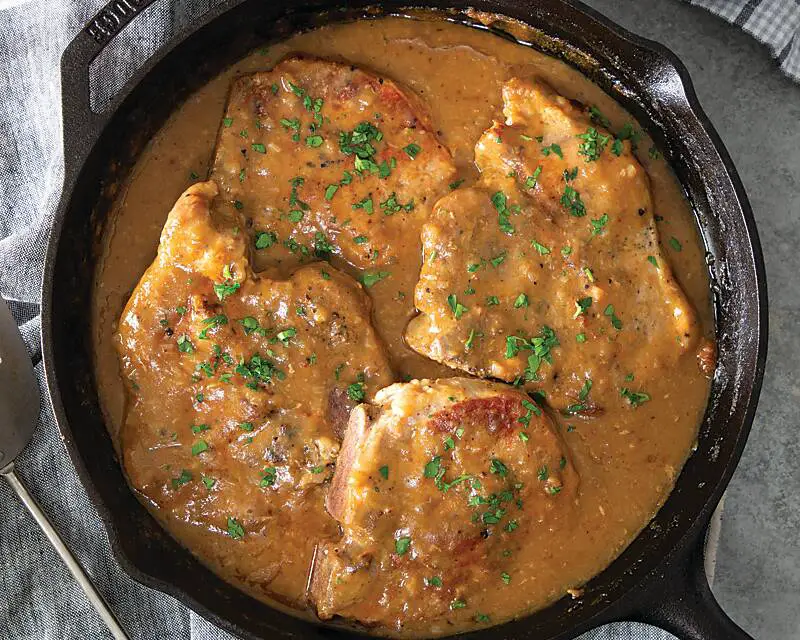
Smothered pork chops are pure comfort food: a good sear, a gentle simmer, and a peppery onion gravy that turns simple chops into a cozy dinner. There are a lot of regional and family spins on “smothered,” but this version keeps it classic with a light flour dredge and a savory pan gravy built right in the same skillet.
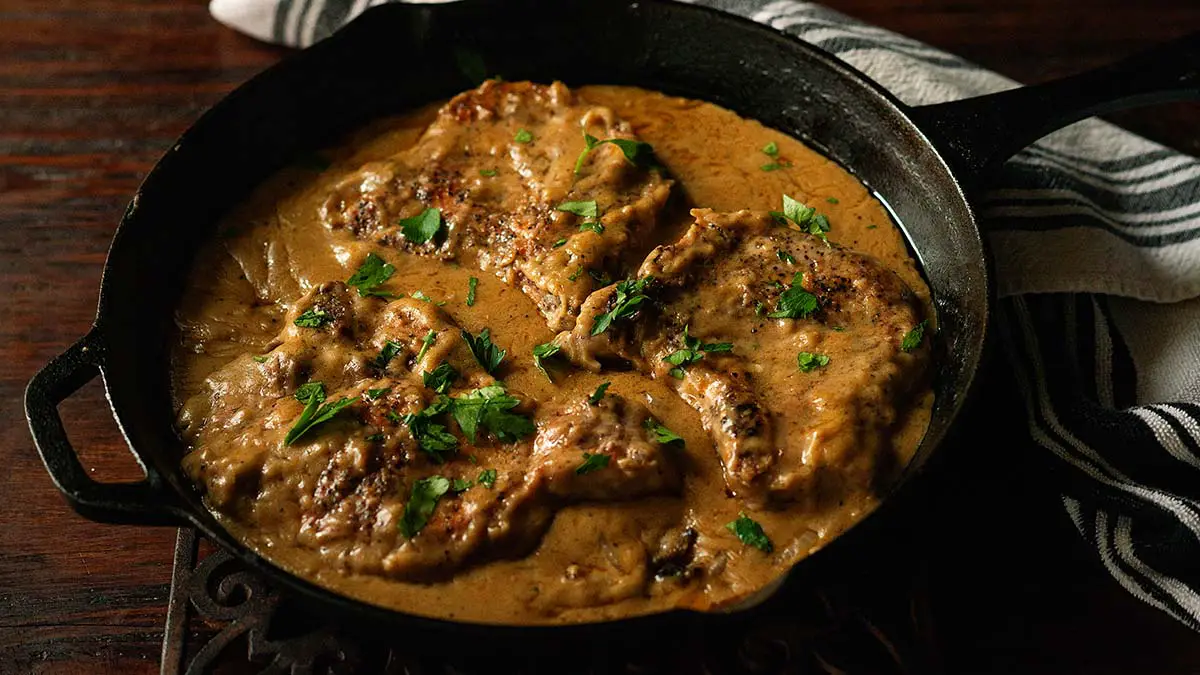
This guide is single-skillet, weeknight-friendly, and big on flavor without being fussy. For the most tender results, thicker chops (about 3/4 to 1 inch) are your best bet, and a quick temperature check keeps you from overcooking. Expect golden-edged pork, sweet-soft onions, and plenty of spoonable gravy for mashed potatoes, rice, or biscuits. For another cozy side that plays perfectly with gravy, visit Perfect Creamy Mashed Potatoes (No Lumps).
Why it works
- A quick flour dredge helps the chops brown and also jump-starts gravy thickness later.
- Onions cooked in the pork drippings pick up all those browned bits, which becomes the backbone of the gravy.
- Deglazing the pan pulls concentrated flavor off the skillet so it ends up in the sauce, not stuck to the bottom.
- A gentle simmer keeps pork chops tender while the gravy turns silky and rich.
Ingredient notes
- Pork chops: Bone-in chops stay juicier during simmering, but boneless works too. Aim for chops about 3/4 to 1 inch thick for best tenderness.
- Flour: All-purpose flour is doing two jobs here: it helps sear and it thickens the gravy. Measure it, because too much can make the gravy pasty.
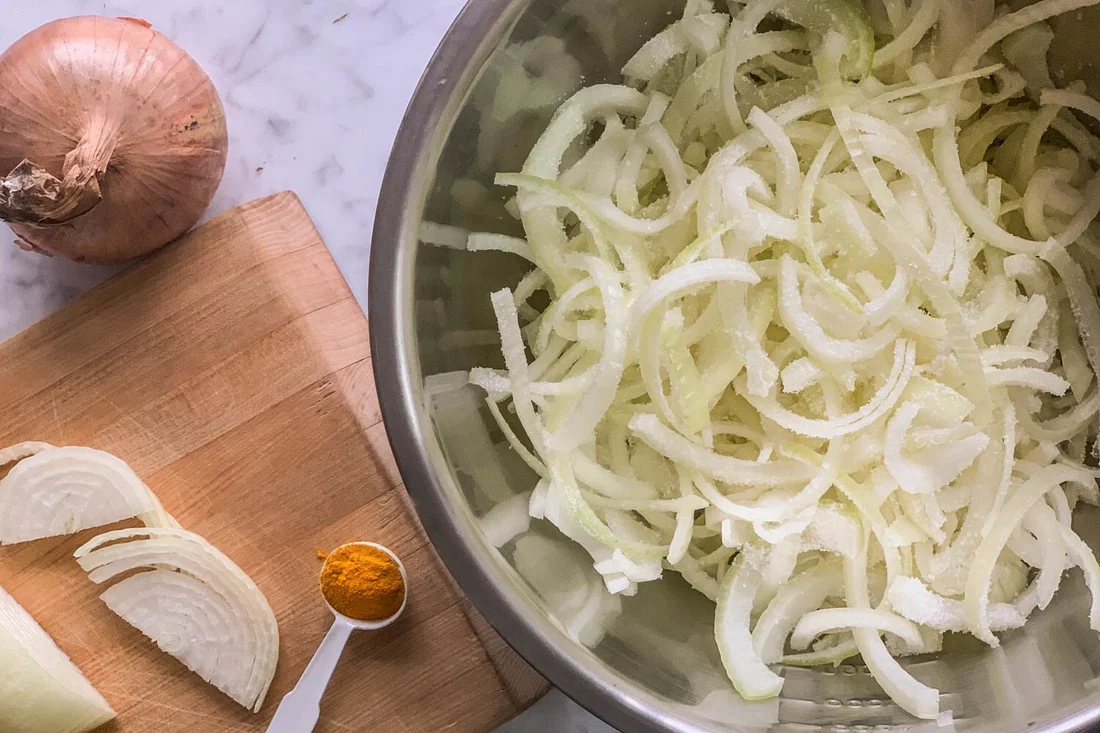
- Onions: Yellow onions are the classic choice for a sweet, savory gravy. Slice them thin so they soften quickly.
- Broth: Chicken broth is traditional and mellow. Low-sodium broth gives better control over salt.
- Fat: Use a neutral oil for searing, plus a little butter for gravy flavor if you like. If the chops render a lot of fat, you can reduce added oil.
- Seasonings: Salt, black pepper, and a pinch of paprika keep the flavor Southern and straightforward. A tiny splash of Worcestershire adds depth without stealing the spotlight.
Equipment
- Large heavy skillet (cast iron or stainless steel works beautifully)
- Tongs for turning chops
- Whisk for smooth gravy
- Instant-read thermometer (optional but helpful for doneness)
- Lid (or foil) to cover during the simmer
Pro tips
- Pat the chops dry before dredging so the flour clings and browning happens fast.
- Do not rush the sear. Let the chops sit undisturbed until they release easily, which means the crust has formed.
- Keep onions moving, not frying. If they darken too fast, lower the heat. You want soft and golden, not scorched.
- Whisk flour into fat first (a quick roux) before adding broth. This prevents lumps and builds a richer gravy.
- Simmer gently. A hard boil can tighten pork and reduce gravy too aggressively.
- Finish with pepper. Smothered pork chops love a confident grind of black pepper right at the end.
Substitutes
- Broth: Swap chicken broth for turkey or vegetable broth. If using water, add a bit more seasoning and a splash of Worcestershire.
- Milk or cream: For a slightly creamier gravy, replace 1/2 cup of broth with milk. Keep the heat low once milk is added.
- Gluten-free: Use a 1:1 gluten-free flour blend for dredging and gravy thickening.
- No Worcestershire: A small splash of soy sauce works, or skip it and add an extra pinch of salt later.
Variations
- Mushroom onion gravy: Sauté 8 ounces sliced mushrooms after the onions soften, then proceed with the gravy.
- Spicy smothered chops: Add a pinch of cayenne to the flour dredge, or stir hot sauce into the gravy at the end.
- Herby skillet gravy: Add a sprig of thyme to the simmer and remove before serving.
- Extra dark gravy: Let the onions go a little deeper golden and add 1 teaspoon Kitchen Bouquet if you use it. This is optional and purely for color and a touch of flavor.
Serving ideas
- Mashed potatoes: A classic landing spot for onion gravy. Try Perfect Creamy Mashed Potatoes (No Lumps).
- Egg noodles or rice: Fast, weeknight-friendly, and perfect for catching every spoonful of gravy.
- Biscuits or cornbread: Serve warm bread to swipe through the skillet.
- Green sides: Green beans, collards, or a simple salad balance the richness.
Storage
- Refrigerate: Store chops with gravy in an airtight container for up to 3 days.
- Reheat: Warm gently on the stovetop over low heat, adding a splash of broth or water to loosen the gravy.
- Freeze: Freezing works, but onion gravy can slightly change texture. Freeze up to 2 months and thaw overnight in the fridge before reheating slowly.
Common mistakes to avoid
- Using very thin chops: Thin chops can overcook before the gravy finishes. If thin is all you have, reduce simmer time and watch closely.
- Not scraping the pan: The browned bits are gravy gold. Deglaze and scrape them up.
- Adding broth too fast: Pouring liquid in quickly can cause lumps. Add gradually while whisking.
- Boiling the gravy hard: A rolling boil can make chops tough and the gravy reduce too far. Keep it to a gentle simmer.
- Over-salting early: Broth and pan drippings can reduce and concentrate. Season, then re-check at the end.
FAQ
Do I have to use bone-in pork chops?
No. Bone-in chops are forgiving, but boneless chops work well if they are not too thin. Keep the simmer gentle and start checking doneness early.
How do I know when the pork chops are done?
Look for chops that are tender and no longer pink in the center. If using a thermometer, aim for 145 F, then let them rest briefly in the gravy off the heat.
Why is my gravy lumpy?
Lumps usually happen when flour meets liquid too quickly. Whisk flour into the fat first, then add broth in a steady stream while whisking.
Can I make this ahead?
Yes. Smothered chops reheat nicely. Warm slowly and add a splash of broth to bring the gravy back to a spoonable texture.