 e-rcps.com
Pasta Plus and home cooking, since 2000
Rice pudding is one of those quietly magical desserts: milk, rice, sugar, a little patience, and suddenly you have a bowl of cozy comfort. The trick is choosing the right rice and giving it the right kind of simmer, so the pudding turns creamy without needing heavy cream.
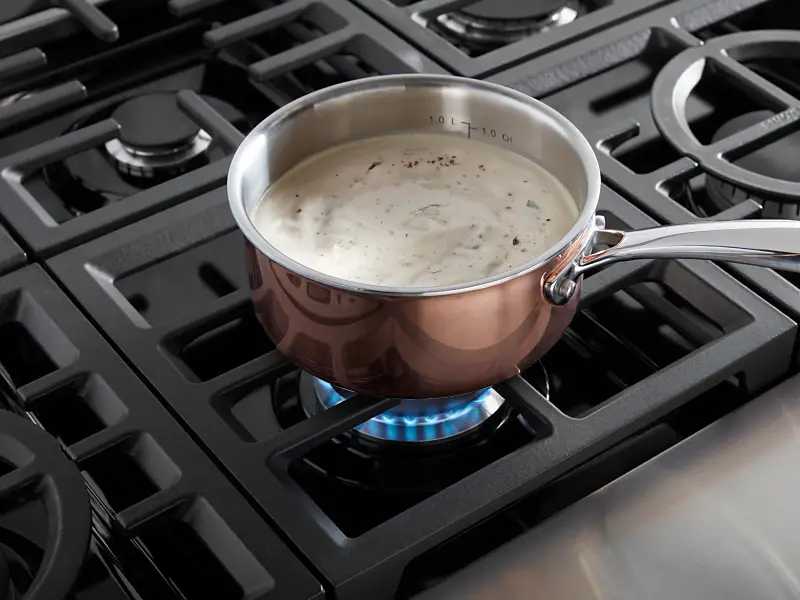
Why it gets creamy without heavy cream
Creamy rice pudding comes from starch, not necessarily cream. As rice cooks, it releases starch into the milk. That starch thickens the liquid and gives you that spoon-coating, custardy feel.
- More surface starch release (stirring, gentle abrasion) equals a creamier base.
- Shorter, rounder grains often behave stickier and creamier in pudding because of how their starches gel as they cook.
- Low, steady heat keeps milk from scorching and helps starch thicken gradually.
Egg yolk can add richness, but it is optional. If you want “classic creamy” with just milk, rice choice and simmer control matter most.
Rice types: texture and timing
Here’s how the three most common choices behave on the stovetop. Times assume a gentle simmer, uncovered or partially covered, with occasional stirring. Exact timing varies by pot width, burner strength, milk fat level, and how hot your “simmer” truly is, so use the doneness cue in the last column as your finish line.
| Rice type | Best result | Texture of grains | Typical simmer time | When it is ready |
|---|---|---|---|---|
| Arborio (risotto rice) | Deep creaminess with a naturally thick base | Plump, tender, slightly chewy center | 30 to 45 minutes | Grains are tender, base coats a spoon |
| Short-grain (sushi-style) | Soft, cozy, very creamy and cohesive | Very tender, can lean “melty” | 25 to 40 minutes | Grains are fully tender, pudding looks glossy and thick |
| Long-grain (white long-grain) | More separate grains, lighter creaminess | Distinct grains, less cling | 35 to 55 minutes | Centers are tender, base lightly coats a spoon |
Quick pick: If you want the creamiest stovetop pudding without cream, Arborio or short-grain is usually the happiest path. Long-grain makes a perfectly delicious pudding too, just with a more “rice-forward” bite.
Arborio: thick and creamy
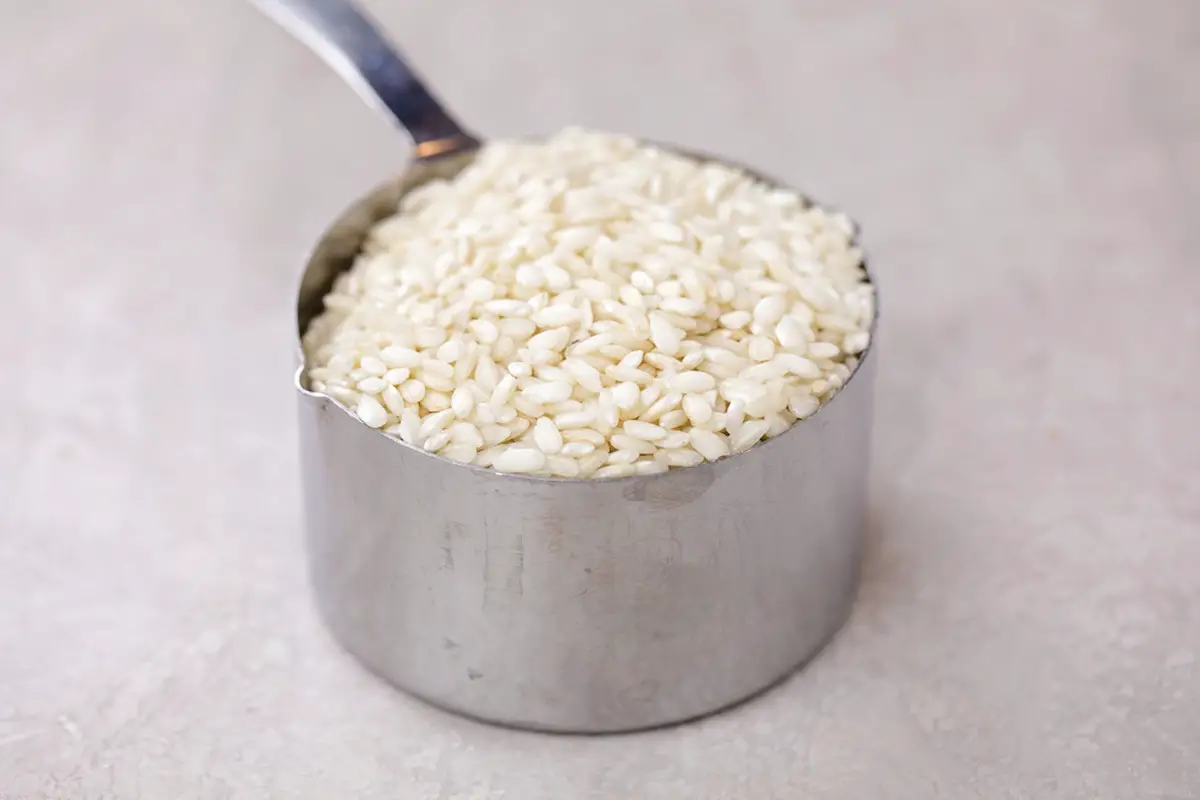
Arborio is a classic choice because it is designed to release starch while keeping the grain pleasantly plump. In rice pudding, that means you get a thicker, creamier base sooner.
Simmer time target
- 30 to 45 minutes at a gentle simmer
- Expect noticeable thickening in the last 10 to 15 minutes
What to watch for
- Texture cue: grains look swollen and glossy, with only a faint firmness at the center.
- Pot cue: when you drag a spoon along the bottom, the trail should linger briefly before filling in.
Short-grain rice: extra tender
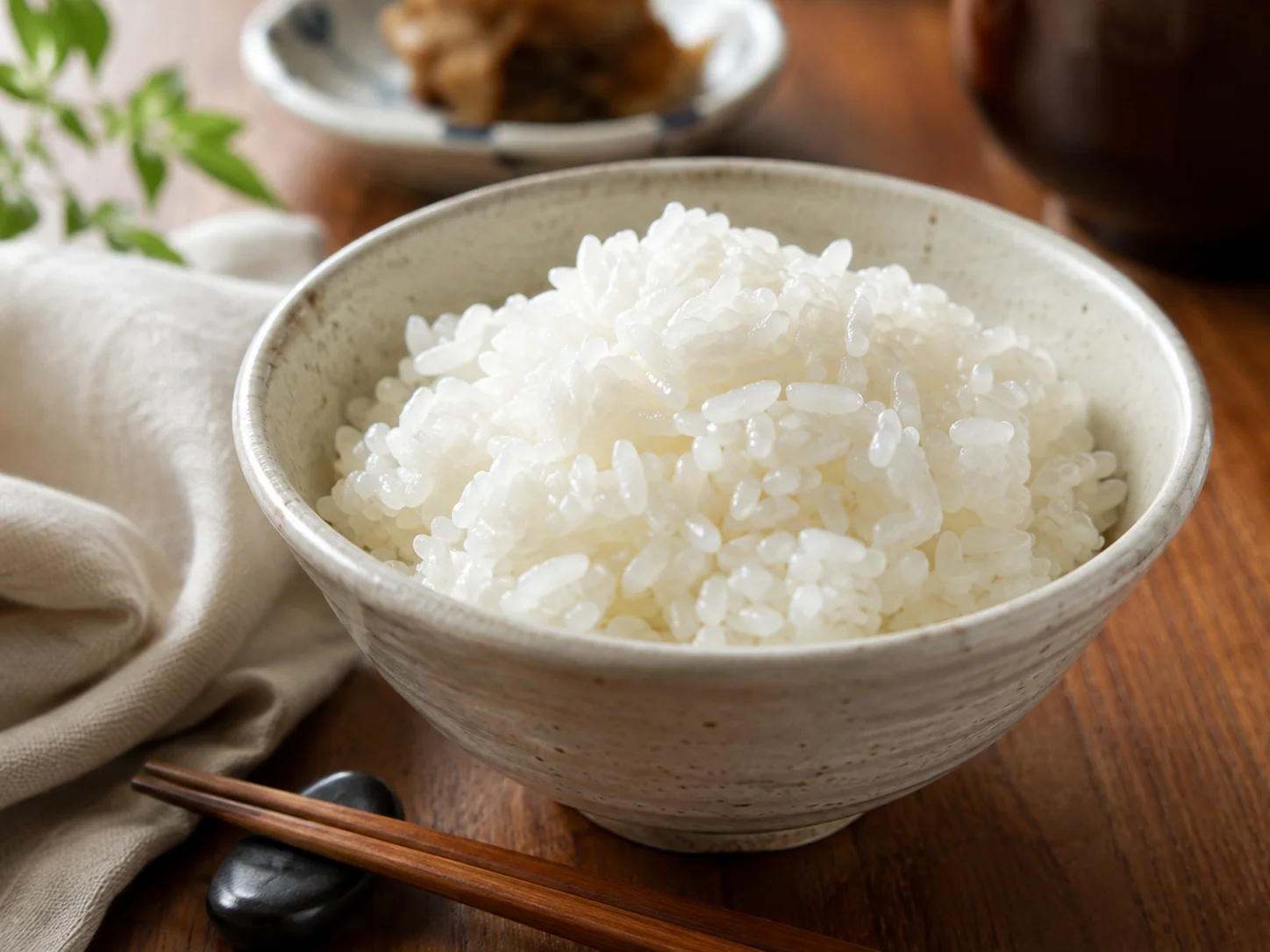
Short-grain rice (often sold for sushi) turns rice pudding soft and cohesive. It can cook a little faster than long-grain, and it readily makes a pudding that feels almost like a gentle porridge, in a very good way.
Simmer time target
- 25 to 40 minutes
- Stir a bit more near the end to prevent sticking
What to watch for
- If you simmer hard or stir aggressively from the start, short-grain can go from “creamy” to “broken down” quickly. Keep the heat calm.
Long-grain rice: lighter and separate
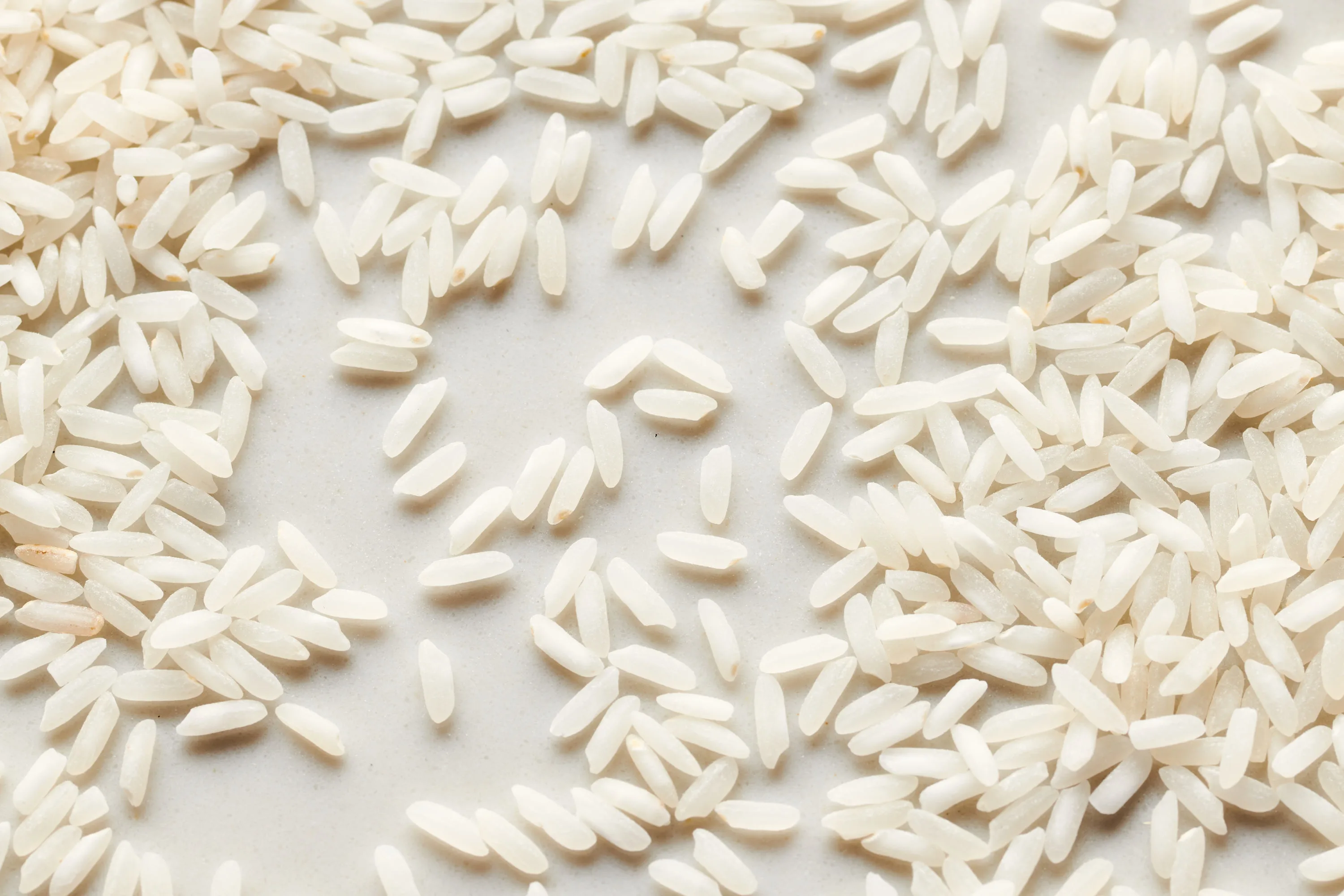
Long-grain rice releases starch too, it just tends to release less into the pot compared with Arborio or short-grain, and it keeps its shape well. That’s perfect if you like rice pudding where the grains stay distinct and the pudding feels less thick and more spoonable.
Simmer time target
- 35 to 55 minutes
- Plan on a longer gentle cook to soften the centers without scorching the milk
How to boost creaminess (still no heavy cream)
- Stir more often in the last third of cooking to encourage starch release.
- Use slightly more rice (about 1 to 2 tablespoons more per cup of milk) if you want a thicker finish.
- Add a pinch of salt early. It makes the sweetness taste rounder and the dairy taste richer.
Stovetop method that works
This is a steady, traditional approach that lets the rice do the thickening. It is written to be flexible, because the rice type determines the exact finish line.
Basic ratios
- 1/2 cup rice
- 4 cups milk (whole milk gives the creamiest result; 2% or skim will finish thinner and may need a longer simmer and closer stirring)
- 1/3 to 1/2 cup sugar (to taste)
- Pinch of salt
- Flavorings: 1 teaspoon vanilla at the end, and optional cinnamon stick or lemon peel while simmering
Rinse or not
- For maximum creaminess: do not rinse. You want that surface starch.
- For more distinct grains: a quick rinse is fine, but expect a slightly less thick pudding.
Step-by-step simmer
- Combine milk, rice, sugar, and salt in a heavy-bottomed saucepan.
- Warm slowly over medium heat until you see small bubbles at the edges, then reduce to low.
- Simmer gently until the rice is tender and the mixture thickens, stirring to prevent sticking. As a general rhythm, stir every 2 to 3 minutes at first, then stir more frequently near the end when it thickens faster.
- Finish off-heat with vanilla. If you used cinnamon stick or peel, remove it.
- Rest 10 minutes. Rice pudding thickens as it cools slightly.
Important: Avoid a rolling boil. Milk foams, scorches, and can develop a cooked flavor fast. A calm simmer makes a sweeter, cleaner pudding.
Why timing varies
Two pots can make the same recipe and finish at different minutes. Here’s why:
- Pot shape: a wider pan evaporates faster and thickens sooner. A tall narrow pot thickens later.
- Heat level: a true low simmer cooks more slowly but tastes cleaner and reduces scorching risk.
- Starting temperature: cold milk adds time. Warm milk starts faster.
- Rice age and brand: drier rice can take longer to soften.
- Milk fat level: lower-fat milk tends to look thinner at the same cook time.
That’s why the best “timer” is texture: tender grains plus a pudding base that lightly coats the spoon.
Common problems and fixes
It is too thick
- Stir in warm milk a splash at a time until it loosens.
- Remember it thickens more after chilling. Aim slightly looser if you plan to refrigerate.
It is too thin
- Keep simmering on low, stirring frequently, for 5 to 10 more minutes.
- Check rice tenderness. If the rice is still firm, it simply needs more time.
It scorched on the bottom
- Do not scrape the bottom. Pour the unscorched pudding into a clean pan or bowl.
- Next time: lower heat and stir with a flat-edged wooden spoon, reaching the corners.
The grains are tender but the base is not creamy
- This is most common with long-grain rice. Simmer a bit longer and stir more often to release more starch into the milk.
Serving and storing
Rice pudding can be served warm, room temperature, or chilled. For a classic finishing touch, sprinkle cinnamon or nutmeg right before serving.
- To chill: press plastic wrap directly on the surface to reduce skin formation.
- How long it keeps: store covered in the refrigerator and enjoy within 3 to 4 days.
- To reheat: warm gently with a splash of milk, stirring until creamy again, and heat until steaming.
If you are building a dessert table, you can find more cozy sweets in the Desserts section, or explore custardy favorites like vanilla bean panna cotta for another creamy treat with a very different texture.