 e-rcps.com
Pasta Plus and home cooking, since 2000
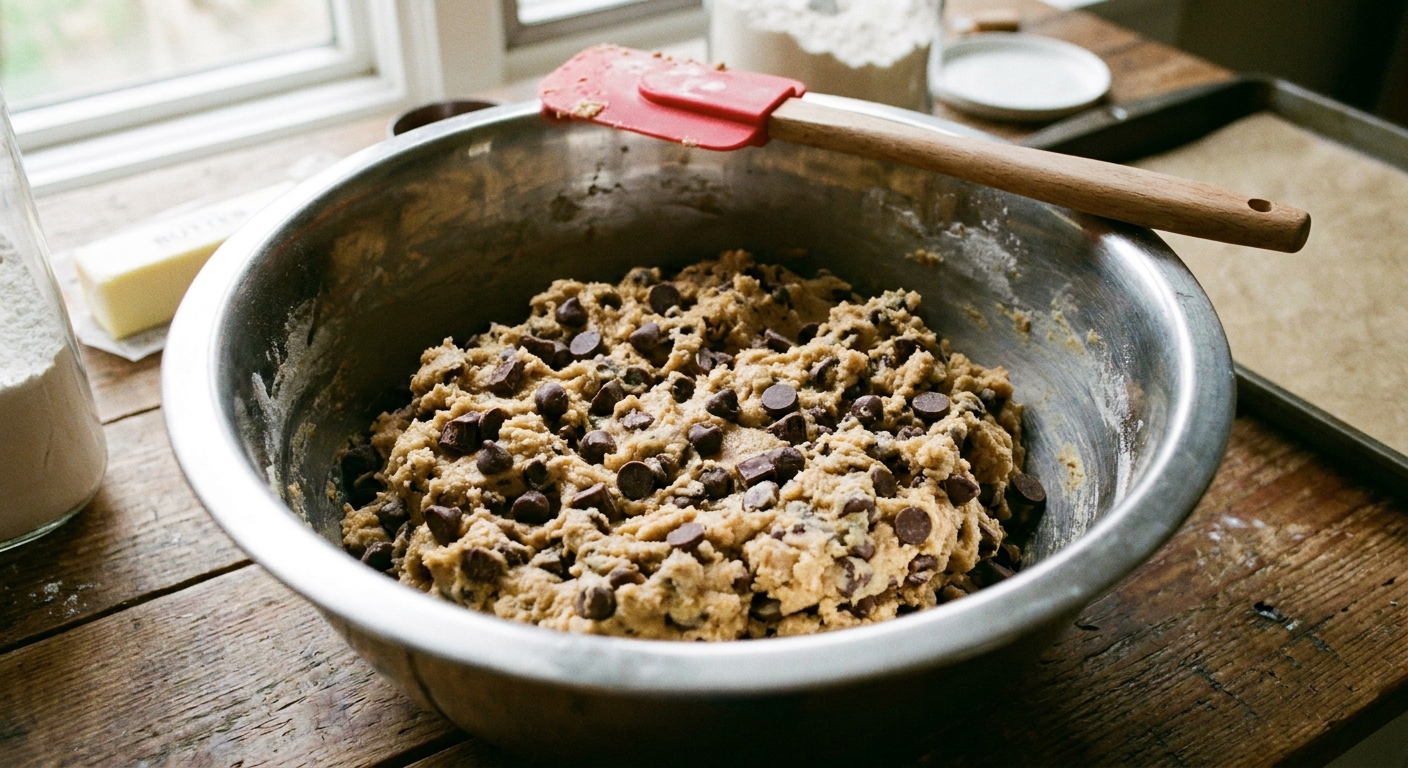
When a chocolate chip cookie turns out too flat, too cakey, or mysteriously crunchy, the cause is usually not the chocolate chips. It is the ratio of fat to flour, the balance of brown and white sugar, and how long the dough gets to rest and chill. Tweak those three levers and you can steer your cookies toward thick centers, glossy crackly tops, and that happy, bendy chew.
What chewy means
Chewiness is a texture balance: enough moisture and elasticity to bend, plus enough structure to hold together. In chocolate chip cookies, chewiness comes mostly from:
- Brown sugar (molasses helps retain moisture and adds a slightly tuggy chew)
- Enough flour to give structure, but not so much the cookie turns bready
- Egg proteins that set and give strength
- Chilling (controls spread and encourages better hydration of the flour)
On the other hand, crunch comes from lower moisture and more drying and caramelization as the cookie bakes. Cakiness comes from too much flour and egg relative to fat and sugar, plus too much trapped air from mixing.
Butter temperature
Butter is one of the biggest drivers of cookie spread. Its temperature at mixing changes how quickly the dough warms and loosens in the oven. (Sugar levels, flour, oven temperature, and the temperature of your baking sheet matter too.)
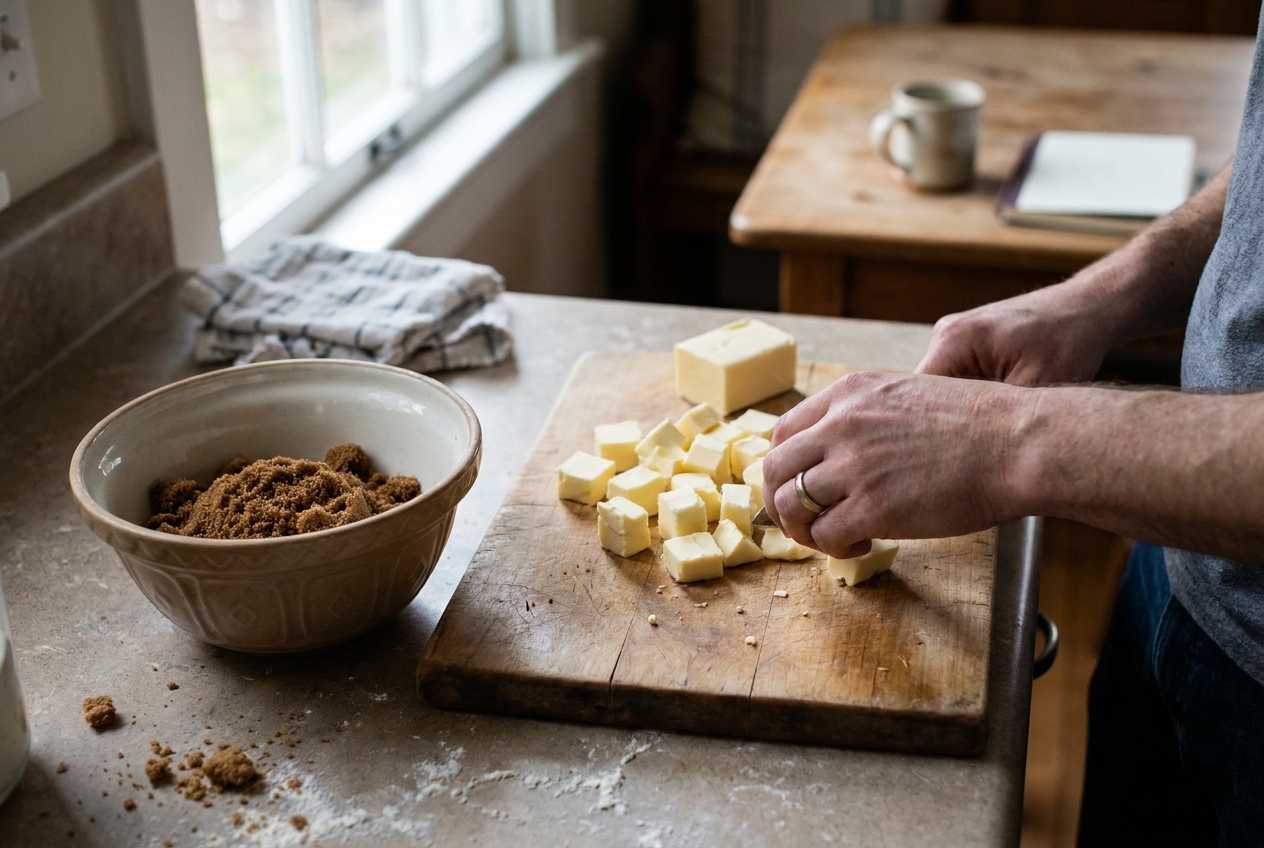
Cold or cool butter (cut into pieces)
- Less spread, thicker cookies
- More uneven surface, often a bit more rustic
- Can risk under-creaming if mixing is rushed, which may reduce lift
Room temperature butter (soft but not greasy)
- Balanced spread, classic shape
- Best for a cookie that is chewy in the middle with lightly crisp edges
Melted butter (or very warm butter)
- More spread, thinner cookies unless the dough is chilled well
- Chewier texture is possible, but the cookie can tip into greasy or lacey if flour is low
- Often produces a shinier, denser cookie because creaming air is limited
Practical rule: If you want ultimate chewy without pancake spread, start with cool room-temperature butter and rely on more brown sugar and chilling for chew, not extra melted fat.
Brown vs white sugar
The brown-to-white sugar ratio is one of the quickest ways to change a cookie’s personality. It affects moisture retention, spread, and how crisp the edges get.
What each sugar does
- Brown sugar: brings molasses, moisture retention, deeper flavor, and more chew. In many doughs it also helps cookies stay thicker, although warm doughs with higher moisture can still spread.
- White sugar: often encourages crispness and can increase spread, especially in doughs that warm quickly in the oven. The exact effect depends on method (creaming versus melted butter), dough temperature, and total liquid.
Useful ratios
- 1:1 brown to white: classic balanced cookie, chewy center with some crisp edge
- 2:1 brown to white: noticeably chewier, often a little thicker, richer flavor
- All brown sugar: maximum chew potential. With a good chill, these can bake up nicely thick, but warm dough can still spread, so watch temperature and hydration.
- All white sugar: crispier, flatter, more prone to crunchy snap
For an ultimate chewy goal: try about 2 parts brown sugar to 1 part white sugar. That usually keeps enough white sugar for a pleasant edge, while brown sugar carries the chew.
Flour to butter balance
If cookies are spreading too much, it is tempting to add lots of flour. That works, but too much flour turns chewy into bready.
How to think about the balance
- More butter (or less flour): more spread, richer mouthfeel, but can become greasy or thin
- More flour (or less butter): thicker cookies, less spread, but can become cakey and dry
Two quiet fixes before adding flour
- Chill the dough longer (often solves spread without changing texture)
- Weigh or spoon-and-level flour (scooping can accidentally add extra flour and make cookies puffy)
If you do adjust flour, do it gently. Even 2 to 4 tablespoons more flour in a standard batch can shift texture noticeably.
Chilling times
Chilling cookie dough is not only about keeping the butter firm. It also gives flour time to hydrate and gives flavors time to deepen. Here is what you can expect at different rest times.
Chill 30 to 60 minutes
- Butter is firmer, so you get less spread.
- Texture improves, but the flavor change is mild.
- Great weeknight option when time is short.
Chill 3 to 6 hours
- Noticeably better shape control and thicker centers.
- More consistent bake from tray to tray.
- Chewiness often improves because the dough’s moisture is more evenly distributed.
Chill overnight (12 to 24 hours)
- Often the best flavor development, especially with brown sugar and vanilla.
- Can give a more caramel-like taste and more even browning, partly because the dough is better hydrated and bakes more consistently.
- Frequently produces the chewiest centers with crisp edges, assuming the dough is not over-floured.
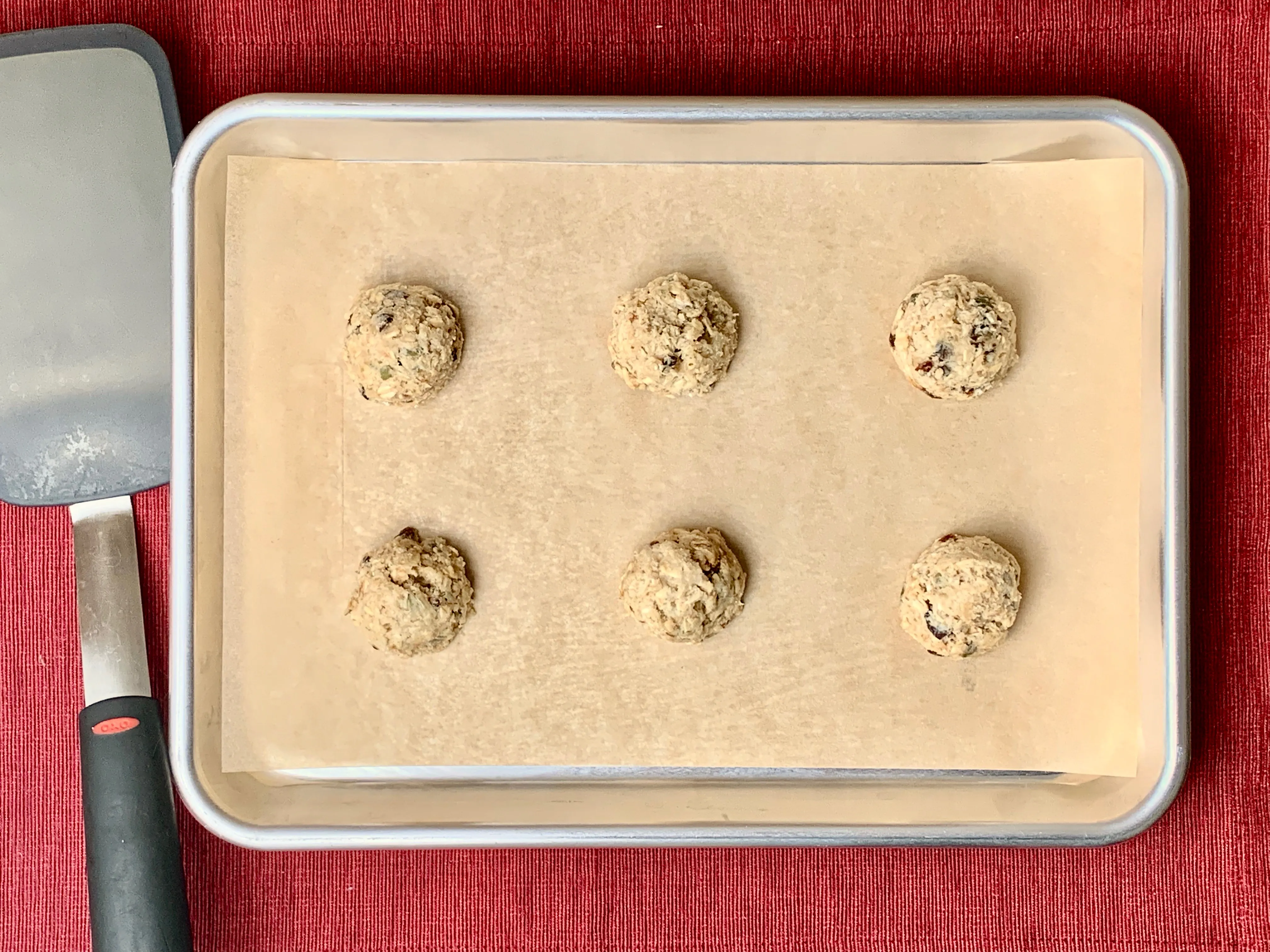
Tip for easy scooping: If the dough is rock-hard after a long chill, let it sit at room temperature just until it is scoopable, not soft and shiny.
Mixing for chew
Mixing can quietly change texture by changing how much air you trap and how much gluten you develop.
- Creaming butter and sugars: Cream until combined and slightly fluffy, but do not whip forever. Too much air can make cookies more cake-like.
- After adding flour: Mix only until no dry streaks remain. Overmixing encourages gluten and makes cookies tougher in a bready way, not a pleasant chew.
- Chocolate choice: Chips hold their shape, chunks and chopped bars melt more. Both are delicious, but more melt can make the cookie feel softer overall.
Baking variables
You can mix a perfect dough and still bake it into crunch if the oven runs hot or the cookies stay in too long. A few small baking choices make a big difference.
Oven temperature and time
- Underbake slightly for chew: Pull cookies when the edges look set but the centers still look a little soft. They keep setting as they cool.
- Longer bake equals drier cookie: Extra minutes drive off moisture and move you from chewy to crisp.
- Check for a hot oven: If cookies brown too fast at the edges, your oven may run hot. A simple oven thermometer can help you adjust.
Pans and liners
- Cool baking sheets: Starting on a warm pan makes butter melt immediately and encourages extra spread.
- Dark pans brown faster: They can push cookies toward crisp edges. Light colored aluminum tends to be more forgiving.
- Parchment versus silicone: Parchment usually gives consistent bottoms. Silicone mats can sometimes encourage a bit more spread and a slightly different texture because they insulate the dough.
Leaveners
- Baking soda: encourages browning and spread, and often supports that classic crackly look.
- Baking powder: tends to give a little more lift and can push cookies toward puffier if the formula already has plenty of flour.
Small tweaks
Use an extra egg yolk (optional)
If a cookie is consistently too crisp, an extra yolk can boost richness and chew because yolks add fat and emulsifiers without adding as much water as a whole egg. This is optional, not required.
Add a little cornstarch (optional)
A small amount can soften the texture and can reduce spreading in some doughs by limiting gluten development. As a starting point, try 1 to 2 teaspoons in a standard batch. Too much can make cookies taste starchy, so keep it modest if you use it.
Salt matters
Salt sharpens chocolate and helps a cookie taste buttery and finished. If using unsalted butter, be sure the dough includes salt. If using salted butter, reduce added salt slightly.
Troubleshooting
My cookies spread into thin puddles
- Chill longer (try 4 hours or overnight).
- Start with cooler butter next time.
- Make sure the baking sheet is cool when dough goes on.
- Check flour measuring method (spoon-and-level, or weigh).
- Confirm oven temperature if spread is extreme. A too low oven can melt dough before it sets.
My cookies are puffy and cake-like
- You may have too much flour. Measure more lightly.
- Creaming may be too vigorous or too long.
- Consider a higher brown sugar ratio for chew.
- Check leavener. Too much baking powder can exaggerate puffiness.
My cookies are crunchy, not chewy
- Increase brown sugar relative to white sugar.
- Pull them from the oven a touch earlier. Cookies continue setting as they cool.
- Avoid baking on dark pans if they brown too fast.
My cookies are chewy but greasy
- Butter may be too warm or the dough may be under-chilled.
- Consider slightly more flour, added in small increments.
- Do not overcrowd the pan, which can trap heat and melt the dough too quickly.
A cozy next step on e-rcps.com
If you love desserts that reward careful measuring and good timing, take a peek at our Foolproof Chocolate Fudge Temperature Guide for another sweet treat where small changes make a big difference. For more cozy baking inspiration, browse the Desserts collection.