 e-rcps.com
Pasta Plus and home cooking, since 2000
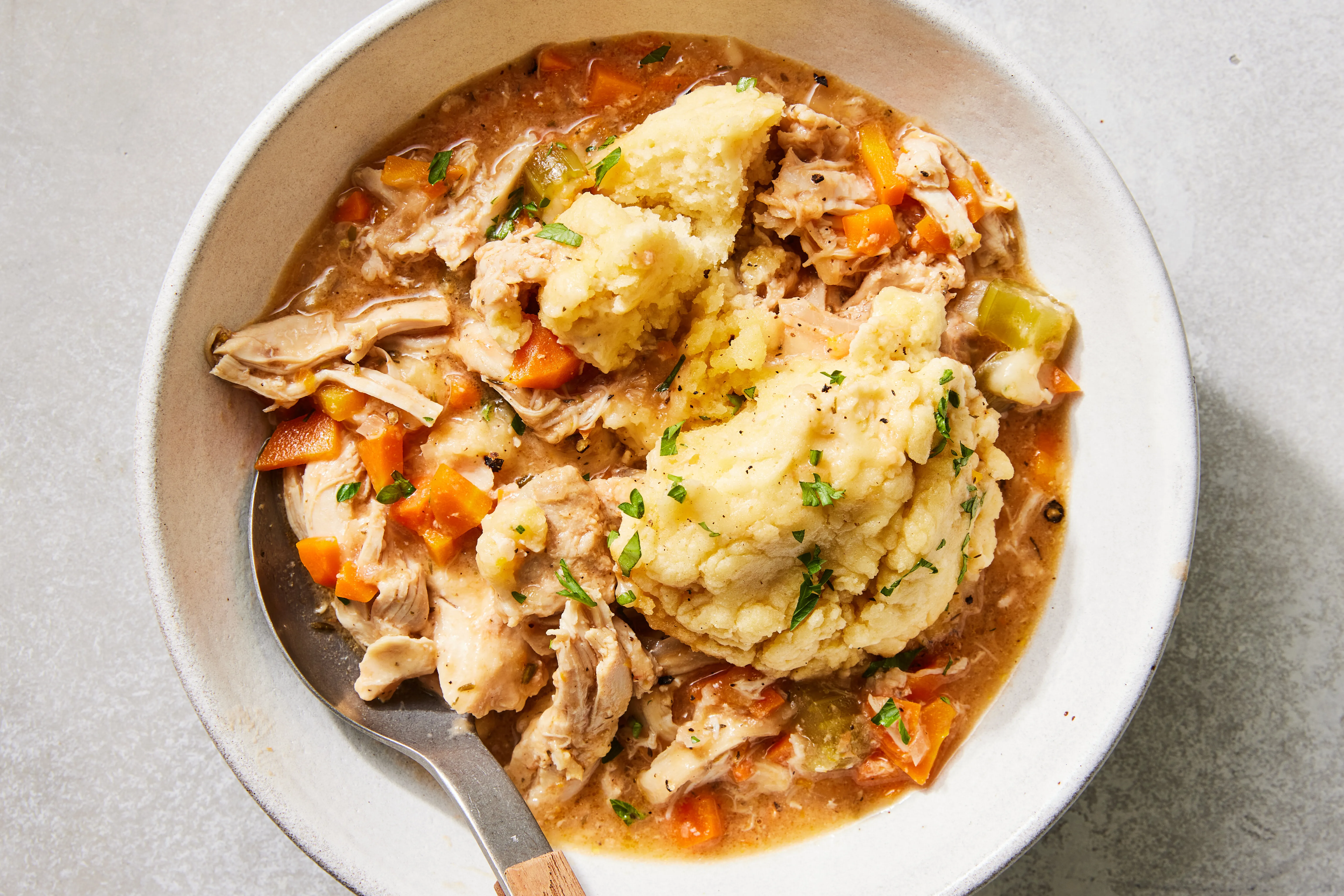
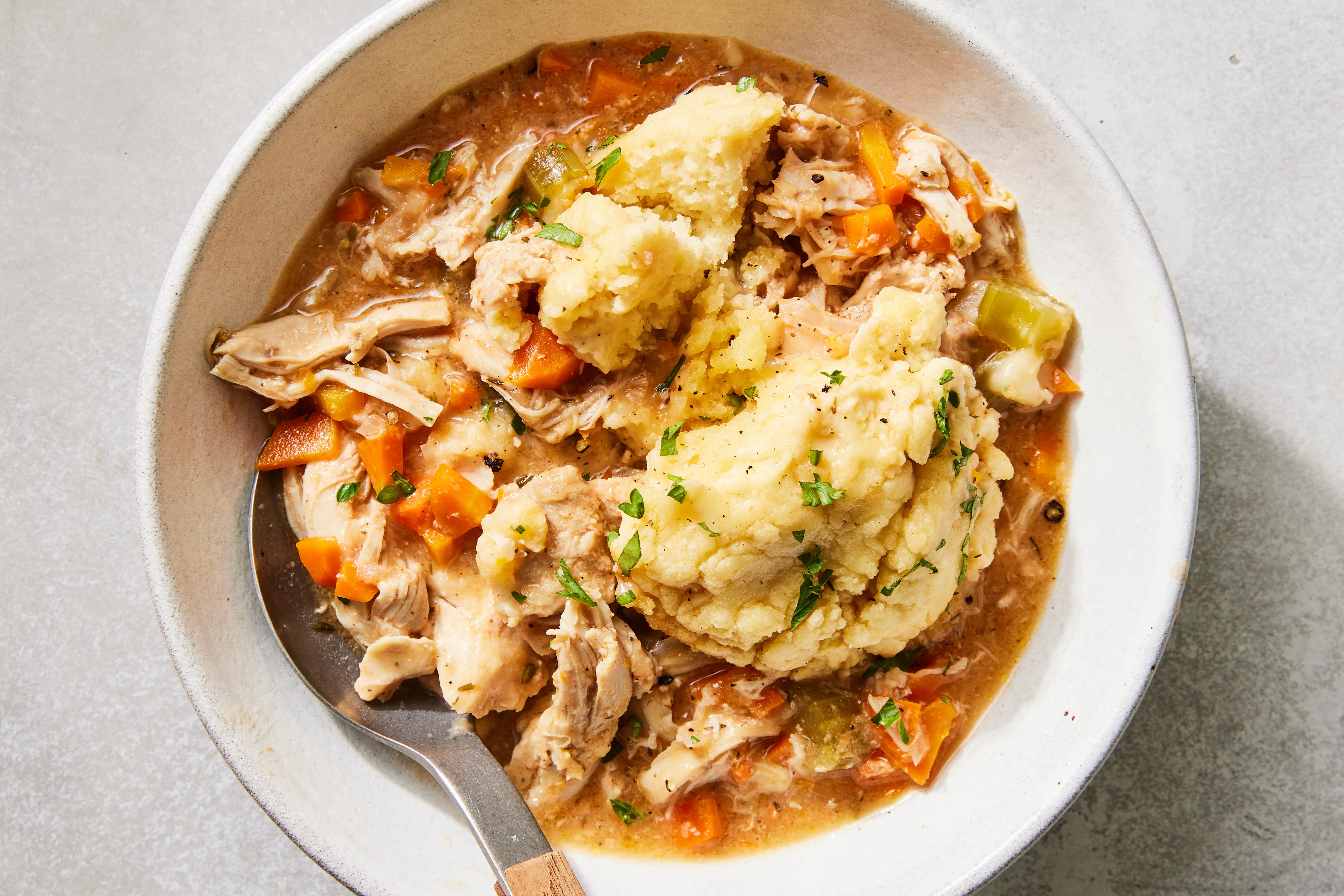
When you want chicken and dumplings, you usually want it for one simple reason: you need something warm and filling, but you do not want to babysit a pot or risk dumplings that turn into soggy glue.
Yes, chicken and dumplings works in a slow cooker. The trick is choosing the right chicken, thickening at the right moment, and adding dumplings only for the final stretch so they cook through without getting gummy.
At a glance
- Best chicken cut: Boneless thighs for the juiciest shred, or breasts for a leaner bowl. A mix is ideal.
- Low vs high: Low is gentler and more forgiving; High works if you are watching the clock.
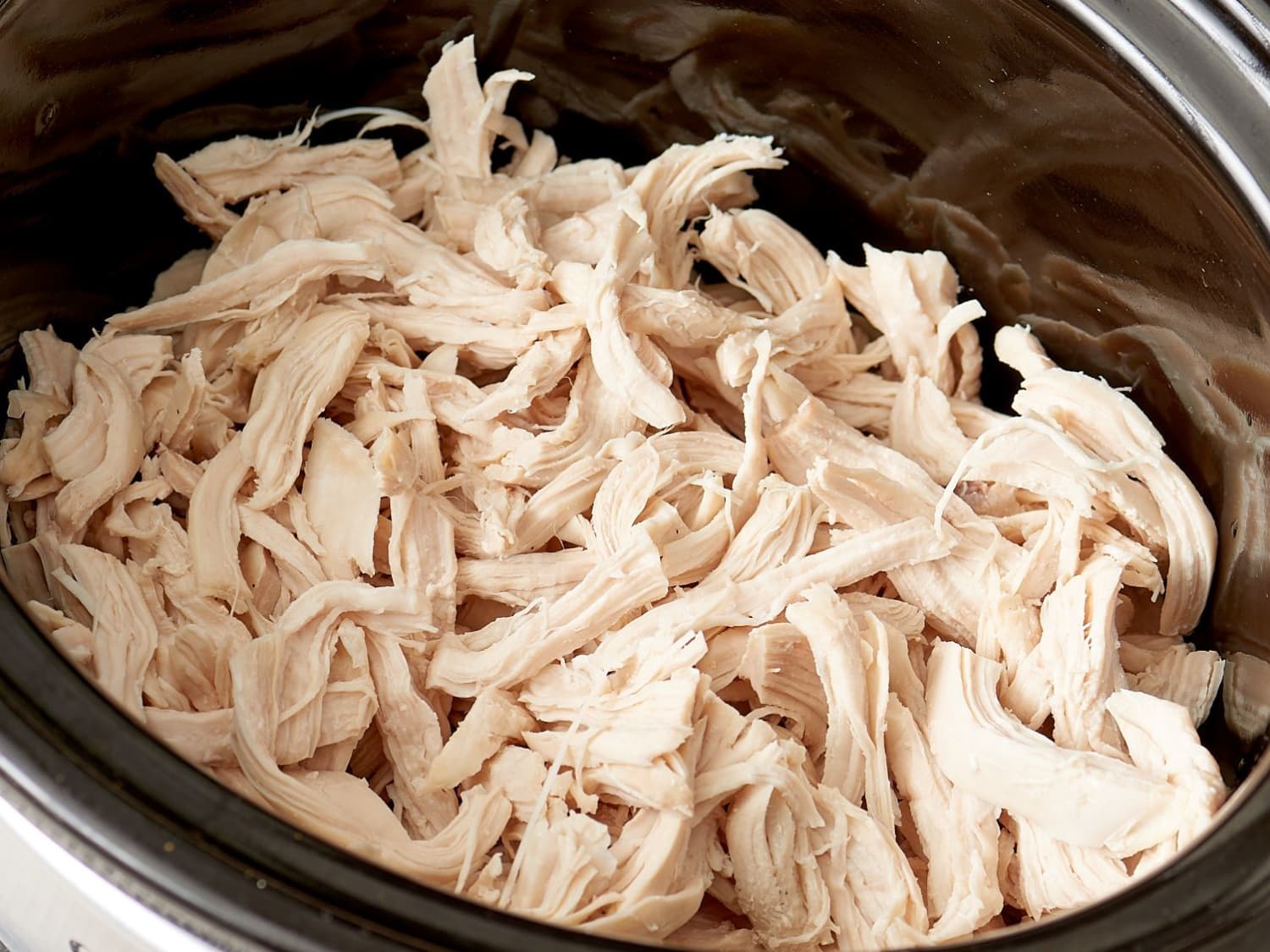
- When to shred: Shred once the chicken hits 165°F (74°C) and pulls apart easily.
- How to thicken: Thicken after shredding and before dumplings so the base turns stew-like.
- When to add dumplings: Add them at the end, usually 30 to 60 minutes on High, depending on your slow cooker and dumpling size.
What is happening in the slow cooker
Why the broth turns thin
Slow cookers trap moisture. Vegetables release water, chicken releases juices, and almost nothing evaporates. That is wonderful for tenderness, but it can leave you with a soupier base than you expect.
- Onions and celery leak water as they soften.
- Chicken releases juices as it cooks.
- The lid keeps steam inside, so the liquid level does not reduce.
Why dumplings can turn gummy
Dumplings cook by gentle steaming and simmering. If they sit too long in hot liquid, starches swell and the texture can shift from fluffy to rubbery.
- Too much stirring breaks dumplings and releases starch into the broth.
- Overcooking past the point of doneness makes them dense.
- Heat that is too gentle can sometimes leave dumplings soaking before they fully set in the center.
Why timing feels tricky
Chicken and vegetables need hours. Dumplings need less than an hour. The best slow cooker chicken and dumplings is really a two-stage dinner: a long cook for the base, then a short cook for the dumplings.
Common causes of bland or soggy results
Using the wrong chicken cut
Chicken breast can be great, but it is less forgiving. Long cooking can make it stringy and dry, especially on High. Thighs stay moist and shred beautifully.
- Most forgiving: boneless skinless chicken thighs
- Leaner option: boneless skinless breasts
- Best of both: a mix of thighs and breasts
Adding dumplings too early
This is the big one. Dumplings should be treated like a finishing step. If they sit in the slow cooker for hours, they can dissolve at the edges and turn heavy in the center.
Skipping thickening
Dumplings do best on a gently simmering, lightly thickened base. If the liquid is too thin, they can sink, soak, and cook unevenly.
Lifting the lid too often
Every lid lift drops the temperature and adds time. For dumplings, that can mean the centers stay doughy while the outsides overcook later.
Dumplings or biscuit pieces
There are two common paths here. Classic drop dumplings are spooned from a soft dough. They look rustic and puff as they cook. Biscuit pieces are firmer and tend to eat more like tender bread.
- Drop dumplings: tender, slightly cakey, classic comfort-food texture
- Biscuit shortcut: faster, a little chewier and more bread-like
How to keep it cozy
Build flavor without flooding the pot
Slow cookers do not reduce much, so the best move is restraint at the start. Use enough broth to carry flavor, but not so much that you are trying to thicken a bathtub later. Layer vegetables on the bottom, set chicken on top, and season in layers so the whole pot tastes well-seasoned from top to bottom.
Shred, then thicken, then add dairy
If you remember only one order of operations, make it this: shred first, thicken second, add creaminess third. Thickening before dumplings helps them float and steam-cook, and adding dairy late helps keep the texture smooth.
Let dumplings be the finish
Dumplings need their own short cooking window. Drop them onto the surface once the base is hot and slightly thick, then cover and leave them alone. Stirring breaks them up and turns the broth starchy.
Dumpling size matters
Keep dumplings small and similar in size. Big dumplings take longer to cook through, and crowded dumplings can steam unevenly. Leave a little breathing room so the tops can set instead of merging into one large, doughy island.
How to tell dumplings are done
- The tops look matte and set, not wet or glossy.
- A toothpick inserted into the center comes out clean, with no sticky dough.
- They feel lightly springy, not squishy or paste-like.
Food safety note
Cook chicken until it reaches 165°F (74°C) in the thickest part before shredding and serving. For best safety and texture, start with thawed chicken, not frozen.
Quick fixes
If the broth is thin
Thicken the base before dumplings, then let it heat through until it looks more like stew than soup. A cornstarch slurry (cornstarch whisked with cold water) thickens quickly and stays glossy. A flour slurry or a butter-and-flour paste thickens a little more gently and looks more old-fashioned and creamy.
If the chicken is dry
Use thighs next time, or cook breasts on Low and shred as soon as they are tender and fully cooked. Holding breasts too long is the usual culprit. If it is already dry, stirring the shredded chicken back into the hot broth for a few minutes can help it drink some moisture back in.
If the dumplings are gummy
Shorten their cook time, avoid stirring, and resist lid lifting. Also make sure the base is thickened enough that dumplings can sit on top and steam rather than sink and boil.
If the dumplings are undercooked in the center
It is usually one of three things: dumplings are too large, the slow cooker is running cool, or the lid got lifted too often. Make smaller scoops next time, keep the lid on, and give them more time in short checks until the center is set.
FAQ
Can I put raw chicken in the slow cooker for this?
Yes. Add raw chicken and cook until it reaches 165°F (74°C), then shred and return it to the slow cooker. For best safety and more even cooking, thaw chicken first rather than starting from frozen.
Should I use chicken thighs or breasts?
Thighs stay moist and shred easily, so they are the safest choice for a long cook. Breasts work if you want leaner meat, but they are easier to overcook. A mix gives you both tenderness and a lighter bite.
How long do dumplings take in a slow cooker?
Most dumplings cook in about 30 to 60 minutes on High, depending on dumpling size and how hot your slow cooker runs. They are done when the centers are set and no wet dough clings to a toothpick.
How do I reheat leftovers without ruining the dumplings?
Reheat gently on the stovetop over low heat, adding a splash of broth or water to loosen the stew. Microwave reheating works too, but use medium power and warm in short bursts so the dumplings do not toughen.
Can I make the dumpling dough ahead?
It is best mixed right before cooking so the leavening stays active. If you must prep, measure dry ingredients ahead and keep them covered, then mix in the wet ingredients when the base is ready.
The bottom line
Slow cooker chicken and dumplings is easy comfort food when you treat it like two dishes in one: a long-cooked chicken base and a short, steamy dumpling finish. Choose a forgiving cut, shred once the chicken is cooked, thicken before dumplings, then give the dumplings a focused final window to cook on top. Cozy bowls are waiting.
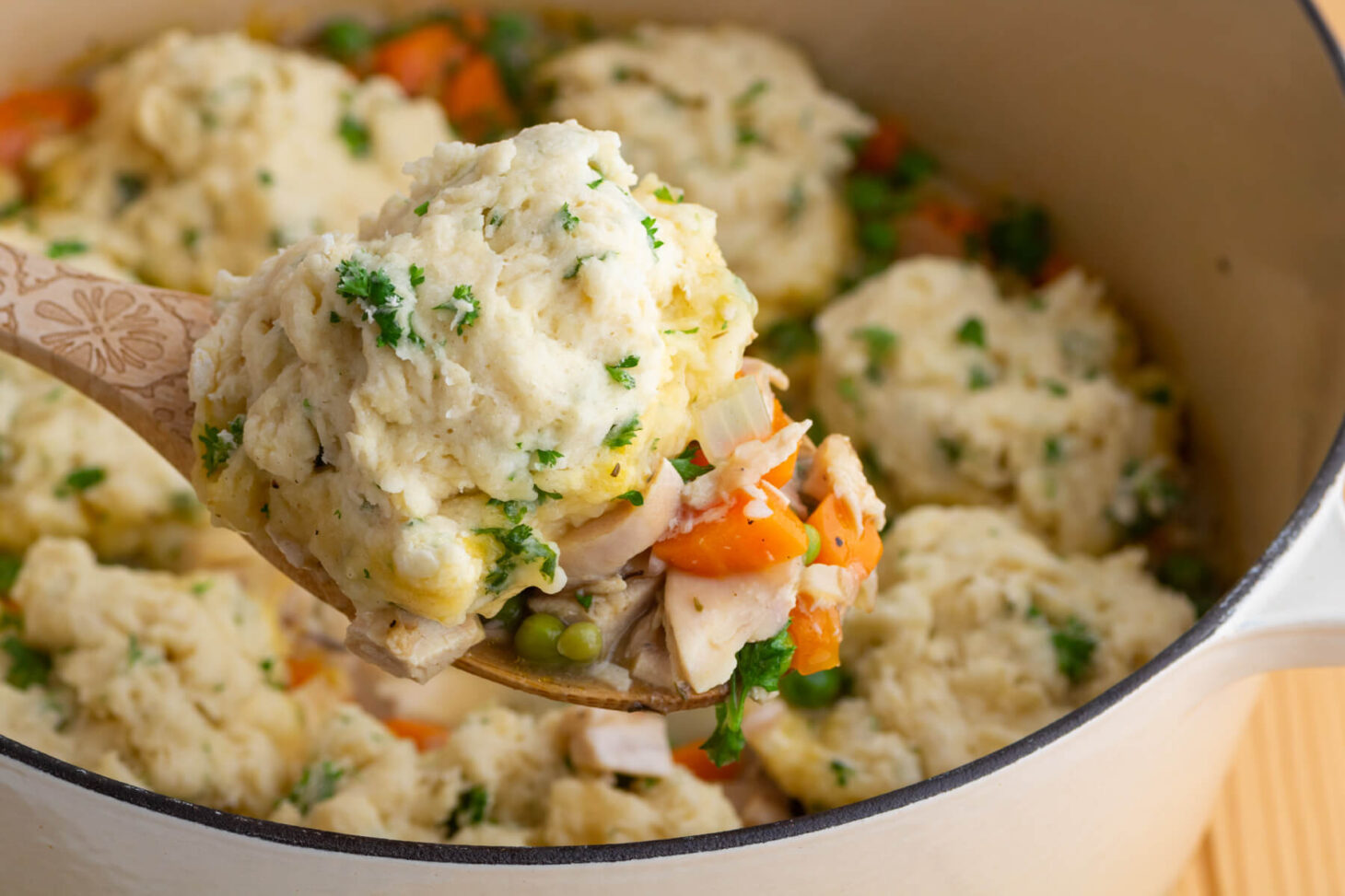
Why this works
- The chicken cooks gently while the aromatics flavor the broth.
- Thickening happens before dumplings, which helps them float and steam-cook instead of sinking and soaking.
- Heavy cream is added late, so the broth stays smooth and rich without breaking.
- Dumplings cook for a short window, which sets the centers and helps prevent gummy edges.
- Gentle mixing keeps dumplings tender, not tough.
Ingredient notes
Chicken: Boneless skinless thighs give the most tender shred. Breasts are fine, but check earlier and shred as soon as they are tender and 165°F (74°C).
Broth: Use low-sodium chicken broth if possible. It is easier to season at the end.
Vegetables: Carrots, celery, and onion are the classic trio. Cut them evenly so they soften at the same pace.
Thickener: Cornstarch gives a glossy, clean thickening. Flour thickening is a little more old-fashioned and opaque.
Dairy: Heavy cream makes the stew creamy without curdling. Whole milk works, but keep the heat gentle after adding.
Dumpling leavening: Baking powder is what makes drop dumplings puff. Make sure it is fresh enough to bubble when moistened.
Equipment
- 6-quart slow cooker with lid
- Cutting board and chef’s knife
- Measuring cups and spoons
- Medium mixing bowl for dumpling dough
- Whisk and rubber spatula
- Tongs and two forks for shredding
- Instant-read thermometer (recommended for 165°F / 74°C chicken safety check)
Pro tips
- Season in layers: Salt the chicken and the broth early, then taste again after thickening and after adding cream.
- Keep dumplings similar size: Small, consistent scoops cook evenly.
- Make the surface a landing pad: If vegetables float up, nudge them aside so dumplings sit on top of the liquid.
- Do not stir after dropping: Stirring breaks dumplings and makes the broth starchy.
- Check dumplings correctly: Test the center of a dumpling, not just the edge.
- Fix too-thick stew: Stir in a little hot broth, a spoonful at a time, until it loosens.
Substitutes
- No heavy cream: Use whole milk plus a little butter for richness.
- Gluten-free thickening: Use cornstarch slurry instead of flour-based thickening.
- Gluten-free dumplings: Use a trusted 1:1 gluten-free flour blend that contains xanthan gum, and keep dumplings small since gluten-free dough can be heavier.
- Biscuit shortcut dumplings: Refrigerated biscuit dough works as a time saver, with a more bread-like texture than classic drop dumplings.
Variations
- Herby version: Add chopped fresh parsley and fresh thyme after dumplings are done.
- Garlic-forward: Add minced garlic at the start, or stir in garlic powder with the broth.
- Peas at the end: Stir in frozen peas near the end, after dumplings are cooked.
- Extra peppery: Add a little cayenne or a few dashes of hot sauce after shredding.
Serving ideas
Storage and reheating
How to store
Cool leftovers quickly and refrigerate in a shallow container within 2 hours. Store up to 3 to 4 days in the refrigerator.
How to reheat
- Stovetop (best texture): Reheat over low to medium-low heat, stirring around dumplings, adding a little broth or water as needed.
- Microwave: Use medium power in short bursts. Stir the stew gently between bursts to heat evenly.
Can you freeze it?
You can freeze the chicken stew base, but dumplings tend to get soft and a little spongy after thawing. For best results, freeze the base without dumplings, thaw in the fridge, reheat, then make fresh dumplings.
Common mistakes to avoid
- Overcooking chicken breast: Breasts can turn dry and stringy if held too long, especially on High. Thighs are more forgiving.
- Adding too much broth up front: The slow cooker does not reduce liquid much. Start measured, then loosen later if needed.
- Skipping thickening: Dumplings cook best on a lightly thick stew that simmers gently.
- Overmixing dumpling dough: Stir just until no dry flour remains. Overmixing makes dumplings tough.
- Making dumplings too large: Big dumplings take longer to cook through and are more likely to be doughy in the center.
- Cooking dumplings too long: Past doneness, they go from tender to rubbery. Aim for the recommended cooking window.
More questions
Can I use rotisserie chicken?
Yes, but treat it like a shortcut: cook the vegetables and broth first, then stir in shredded rotisserie chicken near the end so it warms through. You will still want to thicken the broth before adding dumplings.
Why are my dumplings raw inside?
The slow cooker may not be hot enough, the lid may be lifted too often, or the dumplings may be too large. Switch to High, keep the lid on, and cook longer in short checks until a toothpick comes out clean.
Why did my dumplings dissolve?
This usually happens when the broth is too thin, the lid is lifted repeatedly, or the dumplings are stirred after dropping. Thicken first, drop onto the surface, and do not stir.
Can I double the recipe?
Only if your slow cooker is large enough to keep the mixture below the max fill line, usually about two-thirds full. A crowded slow cooker heats more slowly, so the base may need extra time before you shred and thicken.