 e-rcps.com
Pasta Plus and home cooking, since 2000
Crema pasticcera is classic Italian pastry cream: silky, vanilla-scented, and thick enough to spoon, spread, and pipe depending on how you plan to use it. It is one of those cozy kitchen skills that pays you back again and again, whether you are filling cream puffs, layering cakes, tucking it into tart shells, or using it as a jumping-off point for lighter creams.
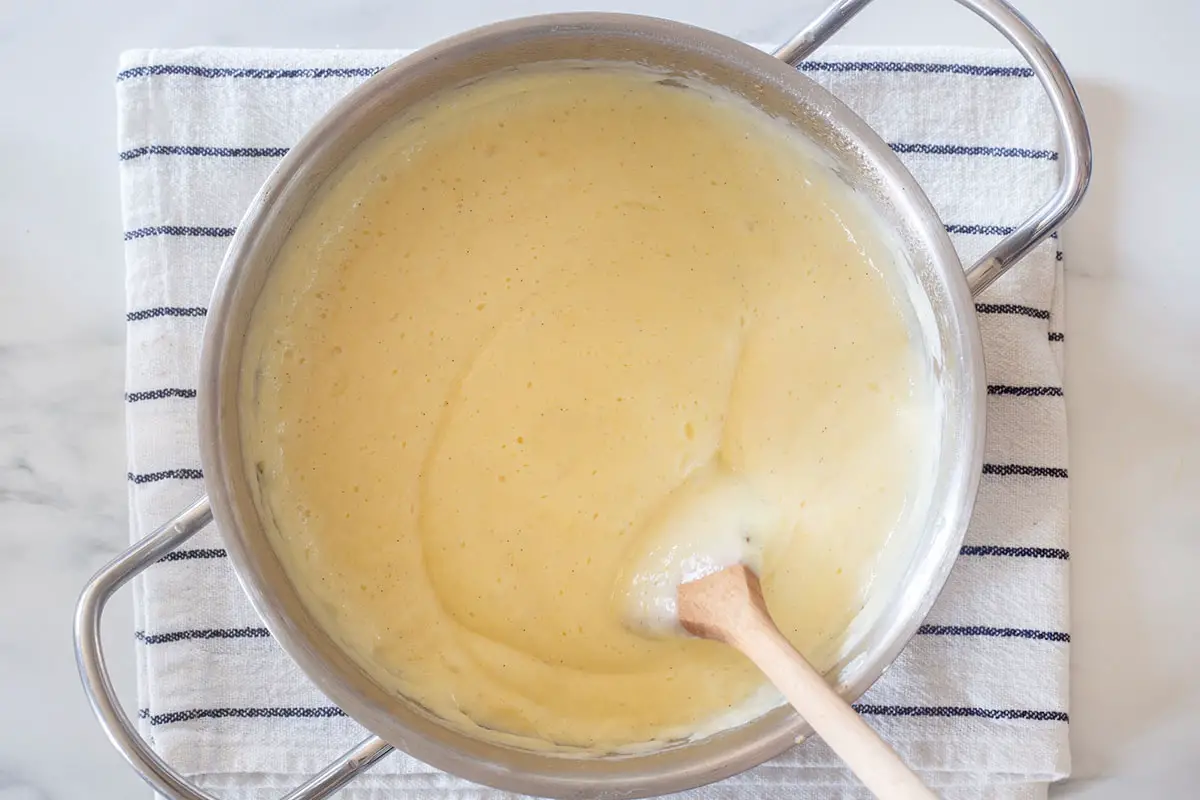
This tutorial focuses on the two spots where pastry cream usually goes wobbly: lumps and scorching. We will lean on gentle heat, careful tempering, steady whisking that reaches the corners, a quick strain if needed, and proper cooling so the cream sets up smooth and calm.
If you love building classic desserts, browse more sweet favorites in our Desserts collection, and for reliable measuring and stovetop basics, peek at Kitchen Basics.
Why it works
- Sugar with yolks first helps protect the yolks and makes a smooth base before any hot milk arrives.
- Fully blending the cornstarch into the yolks prevents dry pockets that turn into lumps later.
- Tempering in a thin stream gently warms the eggs, so they thicken the custard instead of scrambling.
- Medium heat and constant whisking keep the starch gelatinizing evenly, which is what gives pastry cream its stable thickness.
- Brief boil (a few seconds) fully activates cornstarch for a cream that holds up in fillings.
- Plastic wrap on the surface prevents a skin and protects the texture.
Ingredient notes
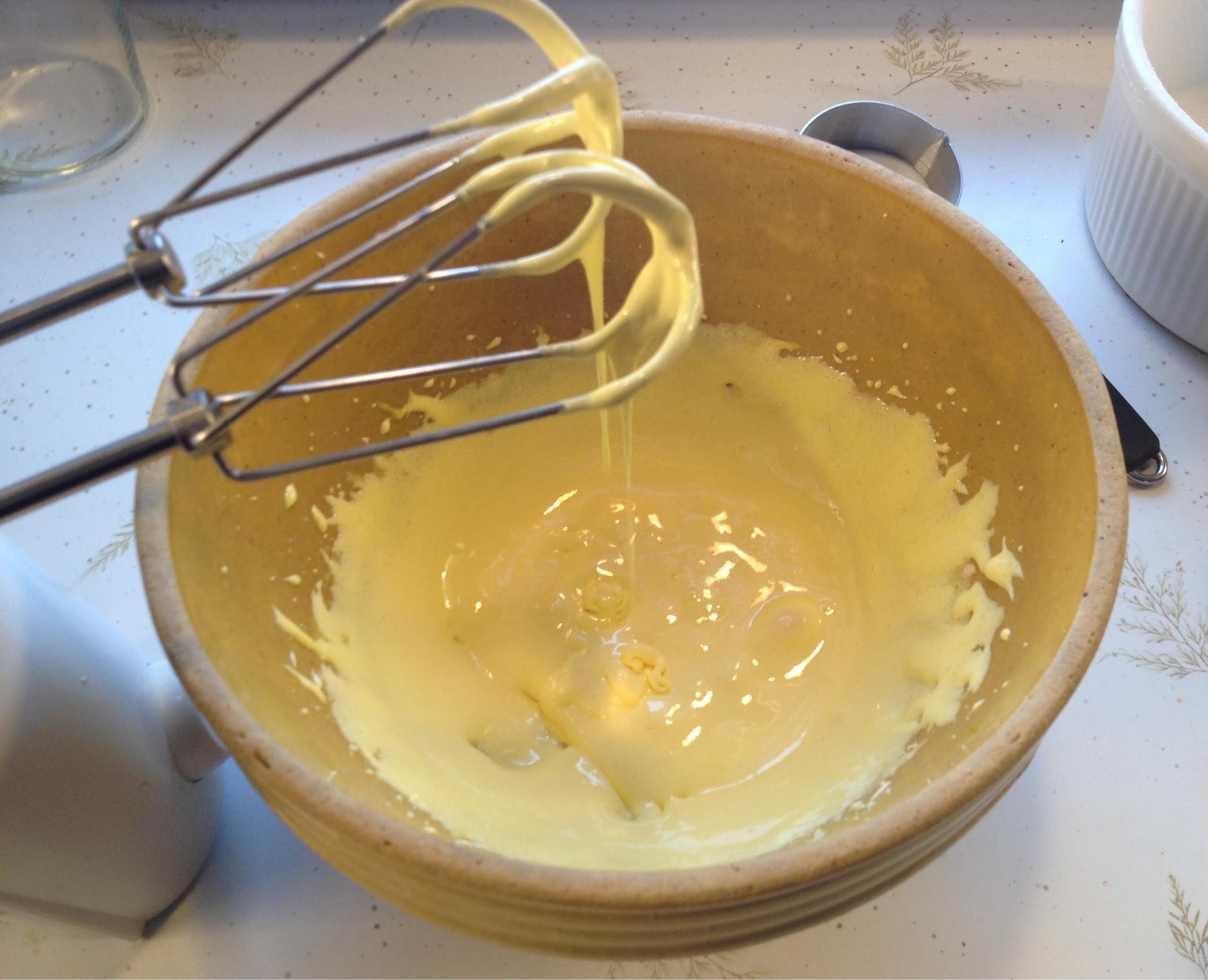
Egg yolks
Yolks give richness and that classic pale yellow color. Separate carefully so no bits of white sneak in, since whites can make the mixture harder to blend smoothly.
Milk
Whole milk makes a balanced pastry cream that is rich but still light enough for piping and layering. Lower-fat milk works, but the result will be less plush.
Sugar
Granulated sugar sweetens and also helps keep the yolks fluid while you whisk. Mix it with the yolks right away rather than letting yolks sit alone, which can form stubborn clumps.
Cornstarch
Cornstarch thickens reliably and creates a pastry cream that holds its shape. Whisk it in completely with the yolks and sugar before you add any hot liquid.
Salt
A small pinch sharpens the vanilla and keeps the flavor from tasting flat.
Vanilla
Extract is the simplest option. Vanilla bean or paste gives a more aromatic custard with beautiful specks.
Butter
Optional, but lovely. Stirring in butter off the heat adds gloss and a softer mouthfeel.
Equipment
- Medium saucepan with a heavy bottom for steadier heat.
- Balloon whisk for aerating and reaching corners, plus a flexible spatula for scraping the pot.
- Heatproof bowl for tempering and cooling.
- Fine-mesh strainer for the smoothest finish, especially if any egg bits form.
- Instant-read thermometer (optional) if you like a temperature cue.
- Plastic wrap to press directly on the surface while chilling.
Pro tips for smooth pastry cream
Whisk the corners
When the custard starts to thicken, switch from casual circles to a deliberate pattern: whisk in wide sweeps, then do short strokes around the edge where custard likes to stick. The goal is to keep the bottom and corners moving so nothing cooks faster than the rest.
Watch for thickening
At first it is like sweet milk. Then it turns glossy and begins to leave faint trails. When it is ready, the whisk leaves clear lines for a moment and the custard makes slow bubbles.
Do not rush the heat
High heat thickens the bottom too fast, which is how scorching happens. Medium, steady heat plus nonstop whisking is the cozy road to success.
Let it bubble briefly
Once thick, keep whisking and let it bubble for about 10 to 20 seconds. This helps fully cook out the starchy taste and sets the structure so it stays thick after chilling.
Strain without worry
Straining is not a failure step. It is simply a professional polish that guarantees smoothness.
Cool fast, cover tight
Spread pastry cream in a shallow dish or wide bowl to cool faster, and press plastic wrap directly onto the surface to prevent a skin.
Substitutes
Milk options
- Half-and-half: richer, thicker mouthfeel.
- 2 percent milk: works, but the finished cream is less rich.
Starch options
- All-purpose flour: can be used in some pastry creams, but it is more prone to a slightly bready taste and usually needs a longer cook. For the smoothest, most stable filling, cornstarch is the easiest choice.
Flavor options
- Vanilla bean instead of extract: steep the split pod in the milk, then proceed.
- Citrus zest: lemon or orange zest can be warmed with the milk for a bright twist.
Variations
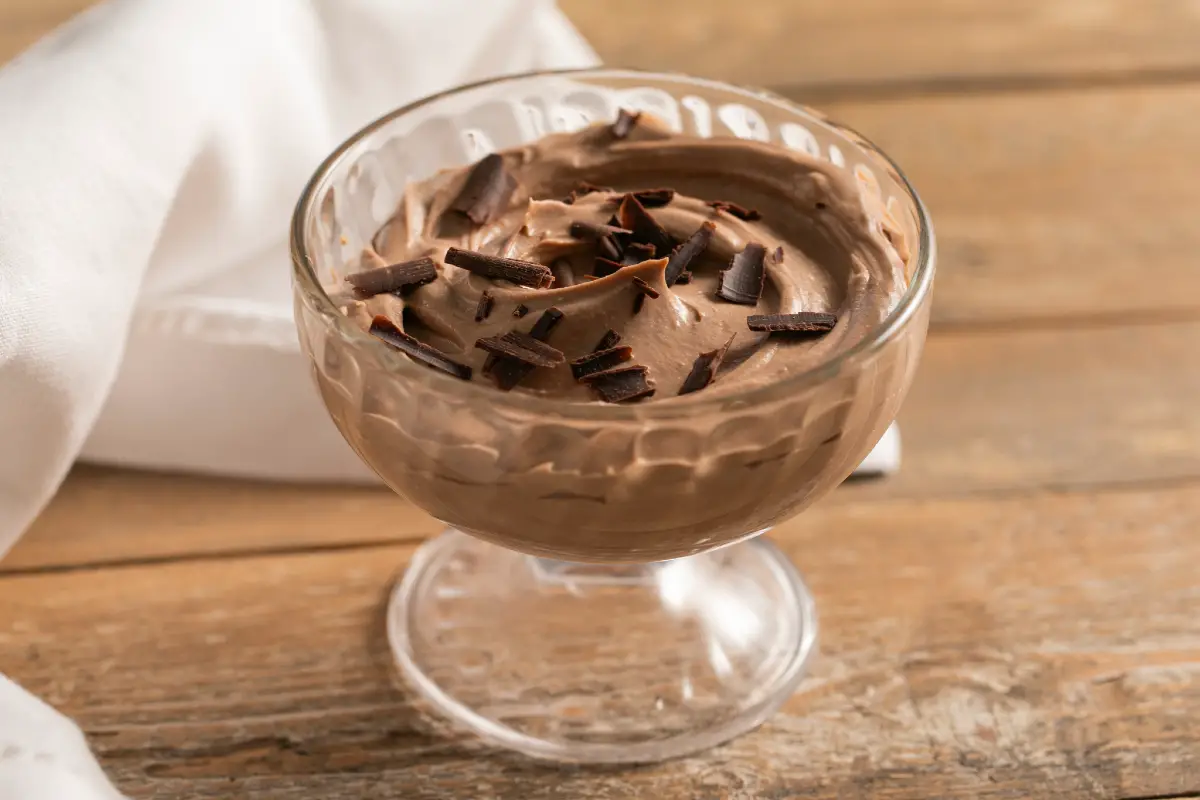
Chocolate crema pasticcera
Whisk 2 to 3 tablespoons unsweetened cocoa powder into the sugar and cornstarch before combining with yolks, or stir in 3 to 4 ounces chopped dark chocolate off the heat until melted and smooth.
Coffee pastry cream
Warm 1 to 2 teaspoons instant espresso powder in the milk, or steep strong coffee with the milk and strain before tempering.
Lemon pastry cream
Add strips of lemon zest to the milk as it warms, then remove before tempering. A small squeeze of lemon juice can be whisked in off the heat for extra sparkle.
Diplomat cream
Fold cooled pastry cream with softly whipped cream for a fluffy, mousse-like filling that is wonderful for cakes and cream puffs.
Serving ideas
- Fruit tart filling: spread pastry cream in a baked tart shell, then top with berries or sliced fruit.
- Cream puff or eclair filling: chill until firm, then pipe.
- Layer cakes: use as a filling between cake layers, paired with fresh strawberries.
- Trifle style dessert: layer with cookies or sponge cake and fruit.
- Simple bowls: spoon into small dishes and top with toasted almonds or shaved chocolate.
For another classic creamy dessert direction, see our guide on baked cheesecake vs no-bake cheesecake.
Storage
Refrigerator
Store crema pasticcera tightly covered with plastic wrap pressed directly on the surface. Keep refrigerated and use within 3 days for best texture.
After chilling
Pastry cream often sets firm in the fridge. Whisk it briefly to loosen. If it seems a little too stiff, whisk in a splash of cold milk, a teaspoon at a time, until smooth.
Freezing
Freezing is not ideal. The starch-thickened structure can turn grainy or watery when thawed.
Common mistakes and how to fix them
Lumps
- Cause: cornstarch not fully blended, or custard heated too fast without enough whisking.
- Fix: immediately whisk vigorously and pour through a fine-mesh strainer.
Scorched taste or brown flecks
- Cause: heat too high or not scraping the bottom and corners.
- Fix: if only lightly caught, quickly pour into a clean bowl without scraping the bottom, then strain. If it tastes burnt, it is best to start over.
Eggy bits (curdling)
- Cause: milk added too fast during tempering, or heat too high early on.
- Fix: strain right away. Next time, temper with a slow stream while whisking constantly.
Too thin after chilling
- Cause: not cooked long enough, or never reached a brief bubble.
- Fix: return to the saucepan and cook on medium heat, whisking constantly, until thick and bubbling briefly.
Skin on top
- Cause: cooling uncovered.
- Fix: whisk to smooth, then cover correctly next time with wrap pressed onto the surface.
FAQ
Is crema pasticcera the same as vanilla pudding?
They are related, but pastry cream is usually richer (more yolks), cooked carefully to a thicker, more stable texture, and designed for fillings and piping.
Do you need a thermometer?
No. Visual cues work well: thick, glossy custard with slow bubbles and whisk trails. A thermometer can help confirm you are in a hot, safe zone, but steady whisking and gentle heat matter most.
Can pastry cream be made ahead?
Yes. It actually benefits from chilling because it sets to a spreadable, sliceable thickness.
Why did my pastry cream taste starchy?
It likely did not boil briefly after thickening. Once it is thick, keep whisking and let it bubble for a short moment to fully cook the starch.
Can I use it for tiramisu?
Traditional tiramisu uses a different cream base, but pastry cream can be part of a tiramisu-inspired dessert when folded with whipped cream for a lighter filling.