 e-rcps.com
Pasta Plus and home cooking, since 2000

Homemade mayonnaise is one of those kitchen basics that feels like a little magic trick: a silky, pale emulsion that starts as an egg yolk and a puddle of oil. The good news: it is not complicated. It is mostly about doing a few small things in the right order so the yolk can grab onto the oil and hold it.
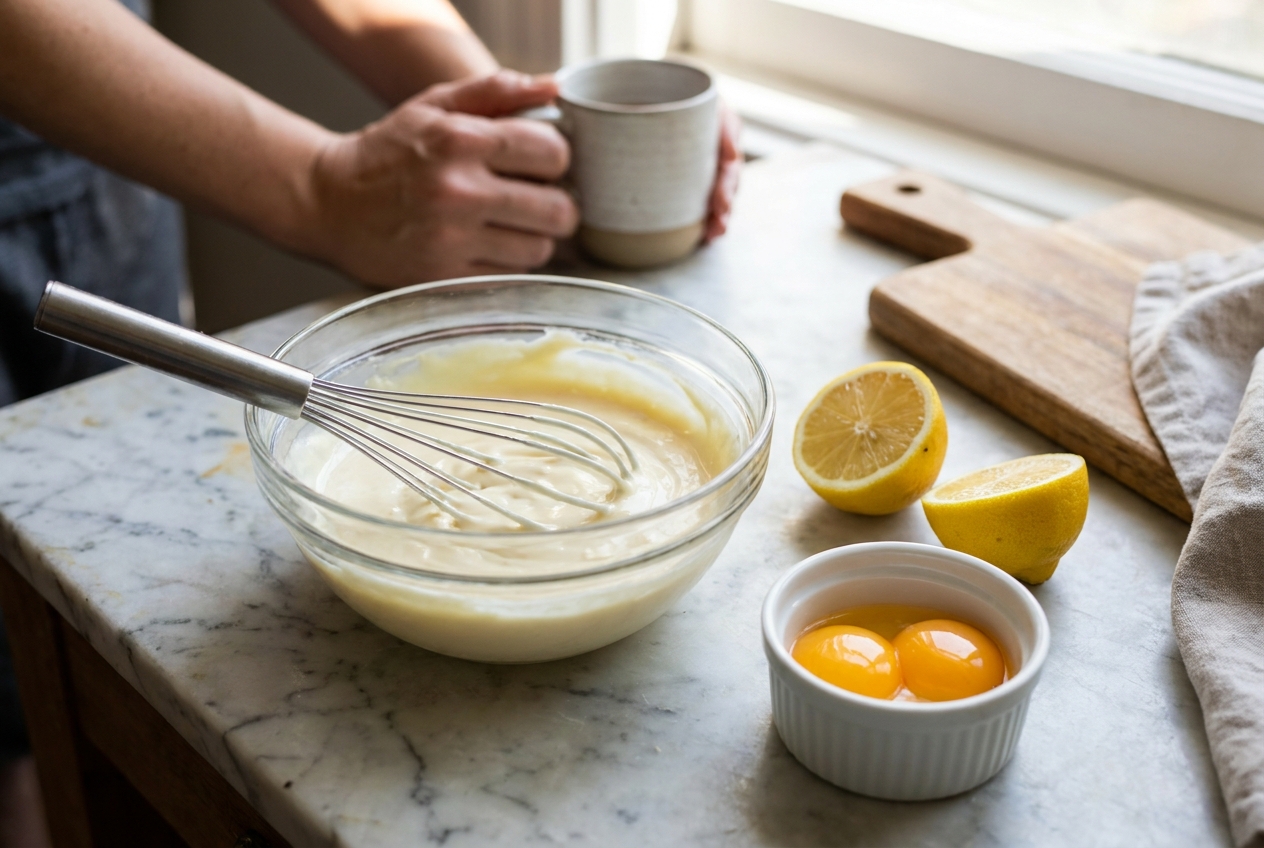
This guide sticks to classic flavor and a fast method that works with either an immersion blender or a standard blender. You'll also learn the small moves that keep mayo from breaking, like using room temperature ingredients, starting the immersion blender at the bottom, and taking your time with the oil stream.
And if your mayo turns thin, looks curdled, or fully breaks, do not panic. There is a reliable rescue method in the troubleshooting section, and a separated batch is often salvageable.
If you enjoy building strong foundations in the kitchen, wander through Kitchen Basics for more simple, steady techniques.
Why it works
Mayonnaise is an emulsion, meaning two ingredients that do not naturally mix (oil and water-based liquids) are forced to stay together. Egg yolk is the helper here because it contains emulsifiers (especially lecithin) that can hold onto both sides.
- Slow oil addition starts the emulsion gently, giving the yolk time to form tiny, stable droplets of oil.
- Acid (lemon juice or vinegar) brightens flavor and supports stability.
- Mustard is optional, but it adds flavor and provides extra emulsifying support.
- Correct temperature helps everything blend smoothly. Room temperature egg and oil emulsify more easily than cold ingredients.
Ingredient notes
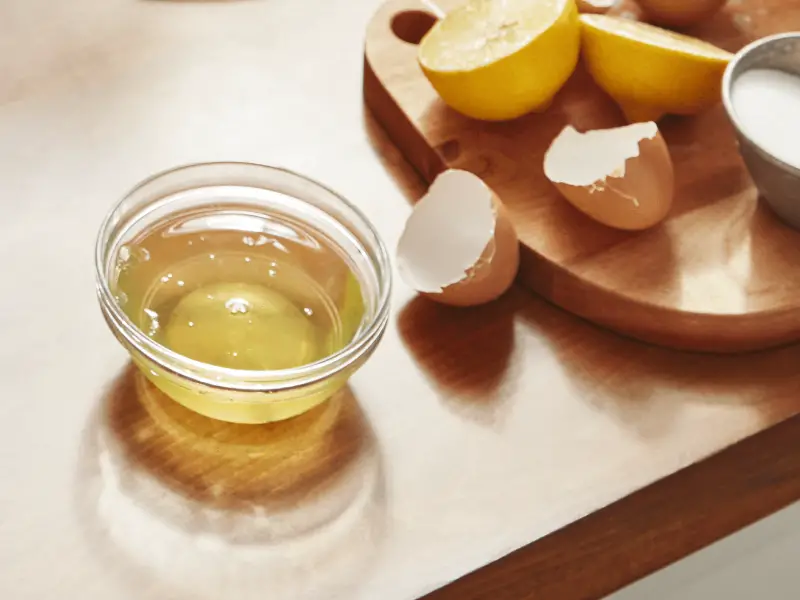
- Egg: Classic mayo is built on egg yolk. This recipe uses 1 whole egg for convenience and reliable blending power. Use a fresh egg and keep it refrigerated until about 20 to 30 minutes before making mayo for easier emulsifying.
- Oil: A neutral oil (canola, grapeseed, sunflower, avocado) gives classic deli-style mayo flavor. Extra-virgin olive oil can taste bitter when blended aggressively. If using olive oil, choose a mild one or use half olive oil and half neutral.
- Acid: Lemon juice tastes bright and clean. Distilled white vinegar tastes sharper. Either works. Start small and adjust at the end.
- Mustard: Dijon is classic and helps the emulsion along. Dry mustard also works.
- Salt: Add early so it dissolves fully. Fine salt blends fastest.
Food safety note: Mayonnaise contains raw egg. Using clean equipment and keeping it refrigerated is important. People who are pregnant, very young, older adults, or immunocompromised may prefer pasteurized eggs.
Equipment
- Immersion blender and a tall jar or measuring cup that fits the blender head snugly (this is the quickest, most foolproof setup).
- OR a standard blender (works well, but the oil must be streamed in slowly).
- Measuring cup for oil
- Rubber spatula
- Clean jar with lid for storage
Pro tips for perfect emulsification
- Use room-temperature ingredients. If the egg is cold, the emulsion can struggle or turn thin.
- Start with everything in the cup (immersion blender method). Keeping the blade at the bottom for the first moments helps the emulsion form before you move.
- Add oil slowly (blender method). A thin, steady stream is the difference between thick mayo and a broken one.
- Adjust thickness on purpose. For thicker mayo, use slightly more oil. For a looser sauce, blend in 1 to 2 teaspoons of water at the end.
- Taste and fix at the end. After the mayo is thick, adjust salt and acid. Adding too much acid early can make the emulsion harder to build.
Substitutes
- No Dijon? Use 1 teaspoon yellow mustard, or skip mustard entirely. The mayo will still work, it just loses that gentle tang.
- No lemon? Use white vinegar, champagne vinegar, or apple cider vinegar. Add gradually and taste.
- Want a lighter mayo? After it is fully emulsified, blend in a teaspoon or two of water to loosen.
- Need a milder flavor? Choose a very neutral oil. Strong oils will taste stronger once emulsified.
Variations
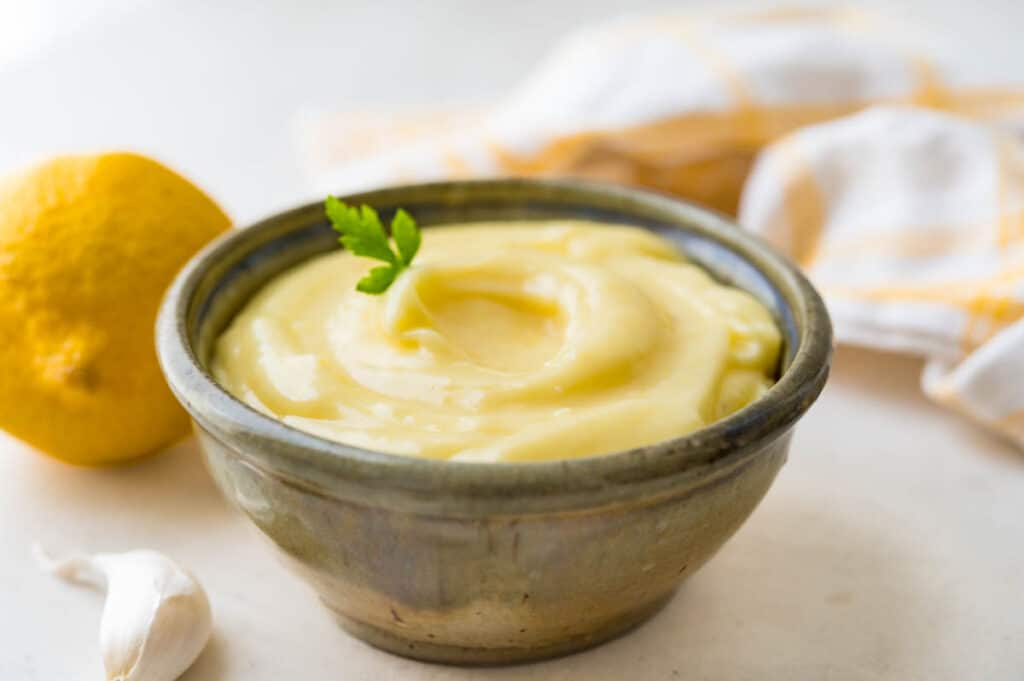
- Garlic aioli style: Blend in 1 small grated garlic clove or 1 half clove for a gentler bite.
- Herb mayo: Stir in finely chopped parsley, chives, or basil.
- Spicy mayo: Mix in sriracha, harissa, or a pinch of cayenne.
- Lemon pepper mayo: Add extra lemon zest and freshly cracked black pepper.
- Smoky mayo: Add smoked paprika or a spoonful of chipotle in adobo.
Serving ideas
- Spread on sandwiches and burgers
- Stir into tuna or chicken salad for a creamier bind
- Use as a base for dips and dressings
- Serve with roasted vegetables or fries
- Turn it into a quick creamy dressing by whisking in a splash of vinegar and a pinch of sugar
For more classic comfort favorites that love a good creamy sauce moment, visit Comfort Food Classics.
Storage
Store homemade mayonnaise in a clean, tightly covered container in the refrigerator. For best quality, use within 3 to 4 days. Always use a clean spoon to avoid introducing crumbs or bacteria, and keep it cold when not serving.
Common mistakes and how to fix them
Mayo is thin
- Cause: Not enough oil, ingredients too cold, or emulsion never fully formed.
- Fix: Blend longer, then drizzle in a bit more oil. If it is still loose, try the rescue method below.
Mayo looks curdled or separated
- Cause: Oil added too quickly, or mixture overheated from long blending.
- Fix: Stop blending and use the broken mayo rescue method. Chilling for 10 minutes can also help if the blender warmed it up.
How to rescue broken mayonnaise
This is the most reliable save: start a new emulsion, then feed the broken mayo into it.
- In a clean cup or bowl, add 1 fresh egg yolk (or 1 teaspoon mustard in a pinch) and 1 teaspoon water.
- Whisk or blend until smooth.
- Very slowly, begin adding the broken mayonnaise while whisking or blending constantly.
- Once it thickens and looks glossy again, you can add the rest a bit faster.
If the mayo tastes too sharp after rescuing, balance it with a tiny pinch of sugar or a bit more oil.
FAQ
Can I make mayonnaise by hand with a whisk?
Yes. Use a bowl that will not slide, start with yolk and acid, then add oil drop by drop at first. Once it thickens, you can add oil in a thin stream. It takes longer than a blender but works well.
Why did my mayo taste bitter?
Extra-virgin olive oil can turn bitter when blended fast. Use a neutral oil, or use a mild olive oil and blend gently.
Can I use whole eggs instead of just yolks?
Yes. Whole-egg mayo is common for blender methods because it emulsifies quickly. It can be slightly lighter in texture than a yolk-only version.
Can I freeze mayonnaise?
Freezing is not recommended. The emulsion usually breaks when thawed, and it does not return to the same creamy texture.
Is homemade mayo safe?
It can be, when made with clean equipment and stored cold. If raw egg is a concern, use pasteurized eggs and keep the mayo refrigerated, using it within a few days.